

Volume 16, Issue 3 (May & June 2026)
J Research Health 2026, 16(3): 217-230 |
Back to browse issues page


Ethics code: IR.MAZUMS.RIB.REC.1403.072.


Download citation:
BibTeX | RIS | EndNote | Medlars | ProCite | Reference Manager | RefWorks
Send citation to:


BibTeX | RIS | EndNote | Medlars | ProCite | Reference Manager | RefWorks
Send citation to:
Shirvani E, Asadi P, Vahdani M, Jahandideh H, Shahnazari M, Tavassolizadeh F, et al . Health Implications of Ramadan Fasting in Healthy and Eligible Individuals: A Narrative Review. J Research Health 2026; 16 (3) :217-230
URL: http://jrh.gmu.ac.ir/article-1-2759-en.html
URL: http://jrh.gmu.ac.ir/article-1-2759-en.html
Esmaeel Shirvani1 

 , Pooran Asadi1 , Mahdi Vahdani1 , Hamidreza Jahandideh1 , Melika Shahnazari1 , Fatemeh Tavassolizadeh1 , Hoorasa Babapour Golafshani1 , Samaneh Farrokhfar2
, Pooran Asadi1 , Mahdi Vahdani1 , Hamidreza Jahandideh1 , Melika Shahnazari1 , Fatemeh Tavassolizadeh1 , Hoorasa Babapour Golafshani1 , Samaneh Farrokhfar2
1- Student Research Committee, Ramsar Campus, Mazandaran University of Medical Sciences, Ramsar, Iran.
2- Department of Anatomical Sciences, Faculty of Medicine, Ramsar Campus, Mazandaran University of Medical Sciences, Ramsar, Iran. ,samanefarrokhfar@gmail.com
2- Department of Anatomical Sciences, Faculty of Medicine, Ramsar Campus, Mazandaran University of Medical Sciences, Ramsar, Iran. ,
Full-Text [PDF 955 kb]
(670 Downloads)
| Abstract (HTML) (1270 Views)
The effects of Islamic fasting on vital systems of the body
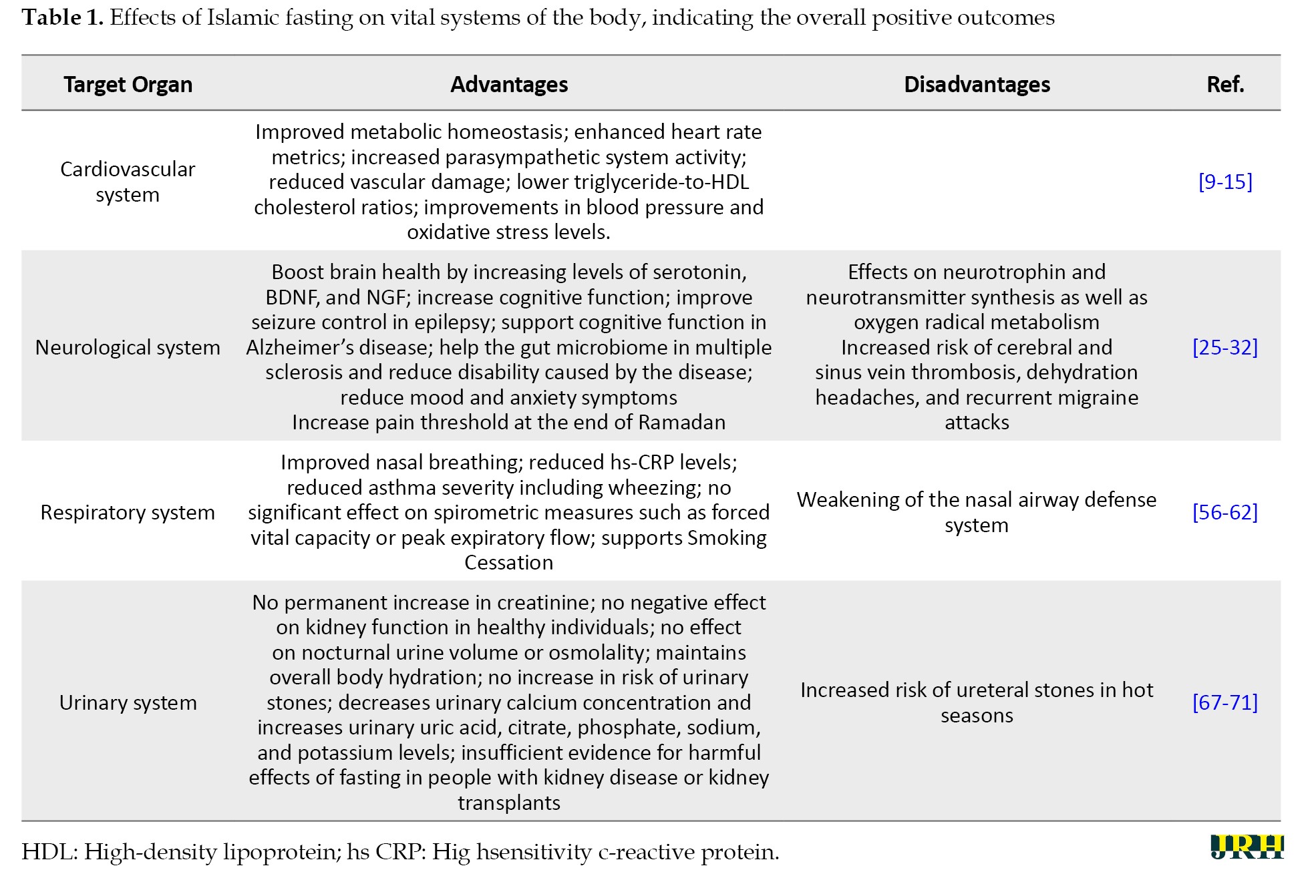
In the present study, we evaluated findings from various studies on the effect of Islamic fasting on the vital organs of the body, including the cardiovascular, urinary, nervous, and respiratory systems. The findings indicate substantial beneficial effects of this dietary pattern on these systems, with no serious adverse effects reported after fasting. Fasting has been associated with several positive effects on cardiovascular health [9-15]. These findings highlight fasting’s potential neuroprotective and adaptive benefits while acknowledging challenges, such as hydration-related headaches [25-32]. The results suggest that while Ramadan fasting may have varied impacts on respiratory health, it holds promise for improving lung function in certain individuals and offering support for smoking cessation (56-62). While Ramadan fasting appears to have little effect on kidney function in most individuals, it may have varying impacts depending on environmental factors, such as fasting during summer versus winter, and the presence of underlying kidney conditions [67-71]. Table 1 presents the summarized effect of Islamic fasting on vital organs.
The effect of fasting on other body systems
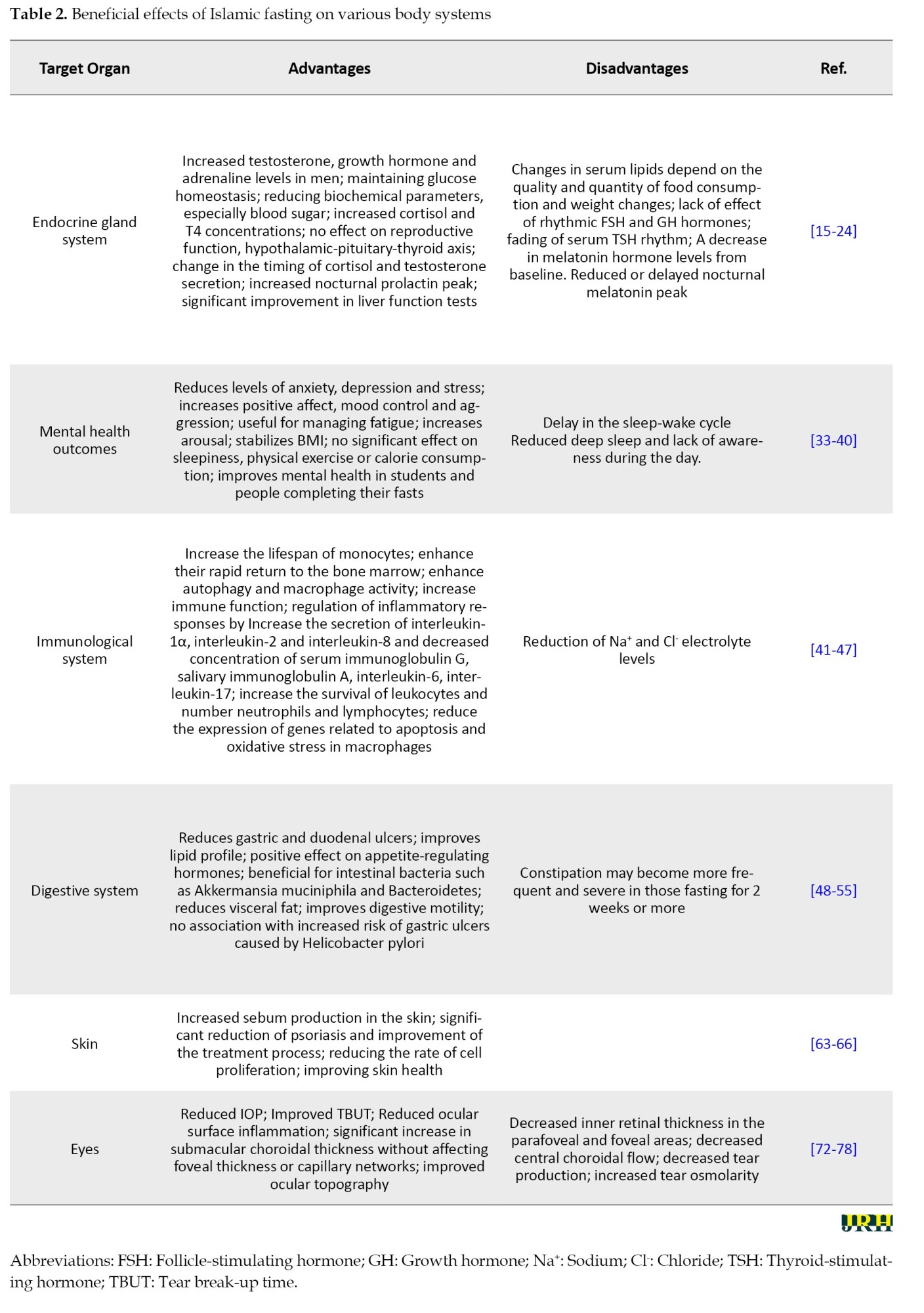
In the current study, the effects of Islamic fasting on other organs and body systems were also evaluated. The results showed that Islamic fasting positively influences these structures, yielding beneficial effects. Islamic fasting induces hormonal changes and affects endocrine gland function, thereby enhancing the activities of various body systems [15-24]. Despite the possibility of sleep disorders, it has been observed that most fasting Muslims experience better mental and emotional conditions [33-40]. Fasting can enhance specific immune responses, balance inflammatory processes, and improve cellular resilience [41-47]. These findings illustrate that Ramadan fasting can have both beneficial and potentially harmful effects on gastrointestinal health, depending on individual factors and fasting duration [48-55]. These findings suggest that while Ramadan fasting may cause some temporary changes in ocular health, such as reduced tear production, increased inflammation, or shifts in IOP and retinal thickness, these effects are generally not severe in healthy individuals [72-78]. Furthermore, improved skin health has been noted as another benefit of this type of fasting [63-66]. Table 2 presents the summarized results of the effect of Islamic fasting on these systems.
The effect of fasting on cellular systems
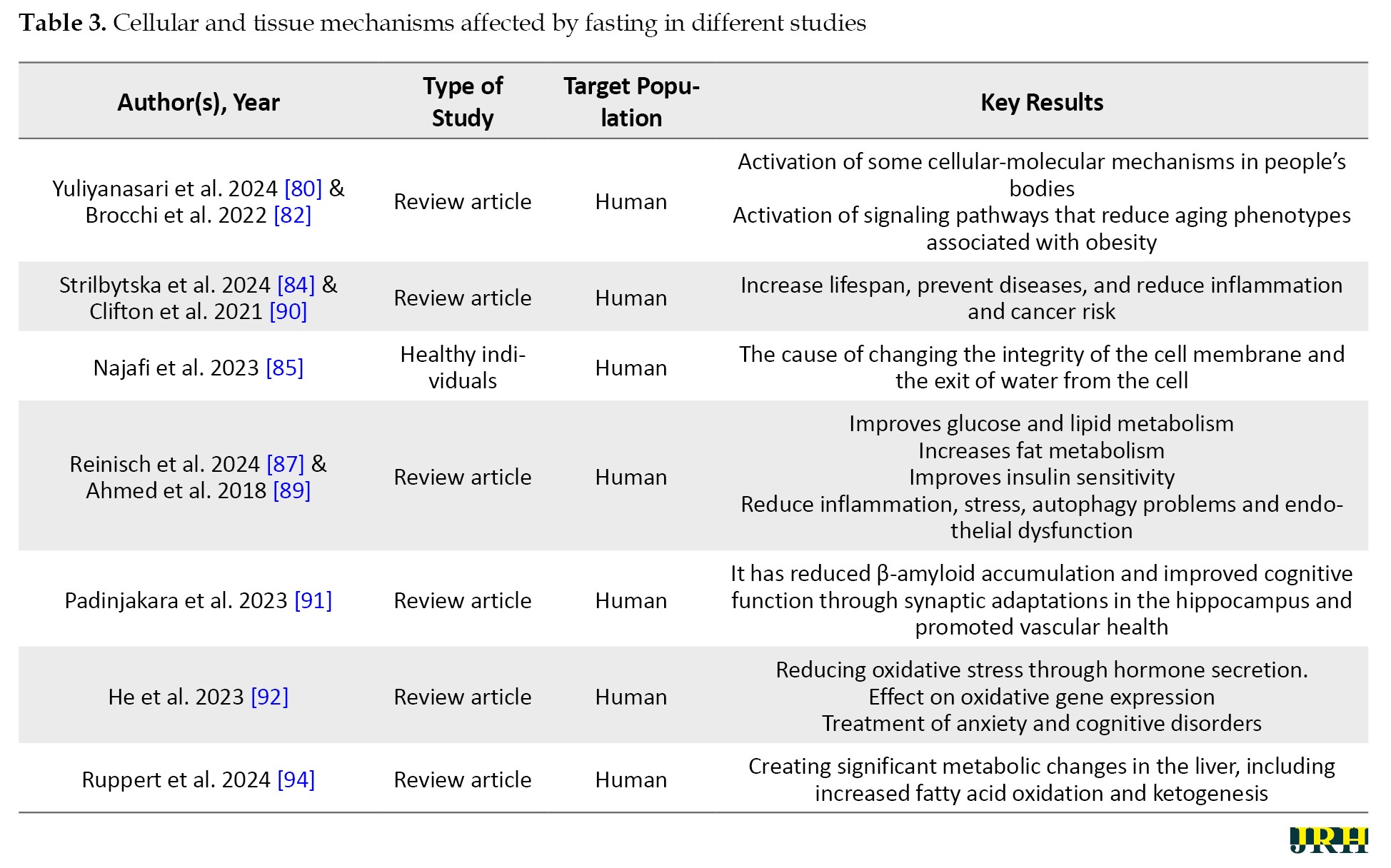
The results show that the body’s cells exhibit increased activity following this dietary regimen, initiating cellular repair processes. Islamic fasting is associated with improved function of organelles and intracellular structures and increases the lifespan of the cell [84]. IF, including practices such as Ramadan fasting, has been shown to modulate various metabolic and cellular pathways that contribute to improved health outcomes [80, 89]. These pathways involve key signaling mechanisms, such as AMP-activated protein kinase (AMPK), sirtuins, and mechanistic target of rapamycin (mTOR), which promote metabolic regulation, autophagy, and reduced inflammation, while also influencing aging and disease prevention [84]. Fasting enhances mitochondrial health, improves lipid and glucose metabolism, and increases insulin sensitivity [87]. IF triggers molecular and cellular changes—such as increased levels of ketone bodies, BDNF, and gut microbiota shifts—that improve neuronal stress resistance, plasticity, and neurogenesis [82]. It has demonstrated neuroprotective effects, promoting cognitive function, reducing oxidative stress, and safeguarding against neurodegeneration [90]. Additionally, fasting may improve water balance and aid in toxin elimination, contributing to overall cellular health [85]. While the benefits of fasting are extensive, further research is needed to fully understand the long-term effects on human health, especially in relation to aging, disease prevention, and cognitive function [90, 91]. Table 3 presents the results of Islamic fasting on these cells.
Discussion
The Quran, in Surah Baqarah (2:183), [97] mandates fasting for Muslims and links it to the pursuit of righteousness. It also underscores divine wisdom in human creation and provision. Fasting, prescribed for earlier nations, is intended to foster self-control and awareness of both physical and spiritual needs. While the Quran encourages reflection and critical thinking, it invites exploration into the effects of fasting, which has been studied in various scientific contexts. This review study demonstrates that IF during Ramadan generally poses no serious risks to healthy individuals and can even promote improved health. These benefits may include improvements in physiological parameters related to cardiovascular health, metabolic function, and immune system function. Variability in study findings may be due to the cultural dietary differences, fasting duration affected by geographic and seasonal factors, age, gender, socioeconomic status, and other individual health and lifestyle factors [98]. Fasting during Ramadan may help eliminate intracellular toxins, and any potential adverse health effects from negative water balance are generally avoided. Lifestyle modifications, particularly sleep regulation, are essential for maintaining health. Fragmented or insufficient sleep may lead to gut dysbiosis and metabolic disorders, potentially due to hypothalamic-pituitary-adrenal axis activation. Probiotic supplements can improve sleep quality and help manage these effects [99]. Exercise during fasting can enhance physical fitness and cardiovascular autonomic balance [100], but it requires appropriate planning and management.
Healthcare professionals can utilize the insights from this study to provide evidence-based advice to healthy individuals fasting during Ramadan. Clinicians can advise patients on safely maintaining hydration, nutritional balance, and overall health throughout the fasting period. While the findings presented in this review provide compelling evidence of the health benefits of Ramadan fasting, several areas remain underexplored and warrant further investigation. Longitudinal, controlled clinical trials are needed to assess the long-term effects of fasting on health outcomes, particularly with regard to cellular aging, neuroplasticity, and organ function. Public health policies could also encourage flexible work hours and school schedules during Ramadan, allowing individuals to manage the demands of fasting without compromising their health or productivity. By promoting lifestyle modifications, such as sleep optimization, exercise, and probiotic supplements, public health authorities, can help mitigate potential negative impacts on gastrointestinal health and metabolic function.
Given that religious studies can be subject to bias from both proponents and opponents, it is advisable for research to be conducted by neutral individuals or mixed-group teams to ensure more reliable results. The Quran emphasizes the importance of fasting in a gentle and comforting tone. Islamic scholars have provided guidance on proper fasting etiquette, such as breaking the fast with warm water and a sweet food item. Like any other activity, fasting can have both benefits and drawbacks. According to the Qur’an: “Fasting is better for you if you only knew.” [97] By understanding the different aspects of fasting and managing them through appropriate nutrition, hydration, sleep regulation, and overall lifestyle adjustments, individuals can maximize its benefits.
Conclusion
The evaluation of various studies shows that a healthy Muslim can fast in Ramadan without any problems, provided proper management and planning and lifestyle modification are implemented.
Ethical Considerations
Compliance with ethical guidelines
This study was approved by the Research Ethics Committee of Mazandaran University of Medical Sciences, Ramsar Campus, Ramsar, Iran (Code: IR.MAZUMS.RIB.REC.1403.072).
Funding
This research did not receive any grant from funding agencies in the public, commercial, or non-profit sectors.
Authors' contributions
Conceptualization, methodology, supervision, project administration and funding acquisition: Samaneh Farrokhfar; Investigation, data collection, analysis, and Writing: All authors.
Conflict of interest
The authors declared no conflict of interest.
Acknowledgments
The authors are grateful to Mazandaran University of Medical Sciences, Ramsar Campus, for review by the Research Committee and Ethics Committee.
Full-Text: (179 Views)
Introduction
Fasting, a profound spiritual practice, holds a central place in Islamic jurisprudence as a mandatory duty for adult Muslims who meet specific criteria. Observed during the holy month of Ramadan, fasting involves abstaining from food and drink from dawn (Suhoor) to sunset (Iftar), representing a unique form of intermittent fasting (IF) within the broader spectrum of dietary regimens [1]. While fasting is practiced across various faiths and traditions, Islamic fasting is distinguished by its unique structure and cultural significance. These characteristics have sparked considerable scholarly and medical interest, prompting investigations into its potential health implications—both beneficial and adverse. The interplay between religious belief, cultural customs, and health outcomes positions Islamic fasting as a compelling subject of interdisciplinary research. In a modern contexts, where individuals increasingly seek empirical support for traditional practices, understanding the health effects of fasting becomes essential. Religion and spirituality, recognized as vital dimensions of human experience [2], are now being integrated into therapeutic contexts with growing emphasis [3]. The anthropometric and body composition changes observed during Ramadan are temporary, indicating the need for sustained lifestyle modifications to achieve long-term benefits in healthy adults [4]. The Holy Quran encourages critical thinking to strengthen conscious faith, distinguishing right from wrong, promoting intellectual and moral development, inviting questioning and dialogue, and encouraging responsibility and accountability. Previous research has explored the effects of Islamic fasting on various diseases, detailing both its benefits and harms [5-8]. Given this trend, exploring the health impacts of Islamic fasting aligns not only with its spiritual importance but also with the Quran’s guidance that fasting is prescribed for those who are healthy and capable.
Unlike previous reviews that focused on specific systems or general effects, our study provides a comprehensive overview of Ramadan fasting’s impact on multiple body systems and cellular functions in healthy individuals. The main highlights of this review include its exclusive focus on healthy adults, its integration of both physiological and cellular outcomes, and its emphasis on Islamic fasting as a unique model of IF with practical health implications. By shedding light on these outcomes, we aim to provide a clearer understanding of fasting’s role in enhancing overall well-being for Muslims and non-Muslims alike.
Methods
Review of the literature
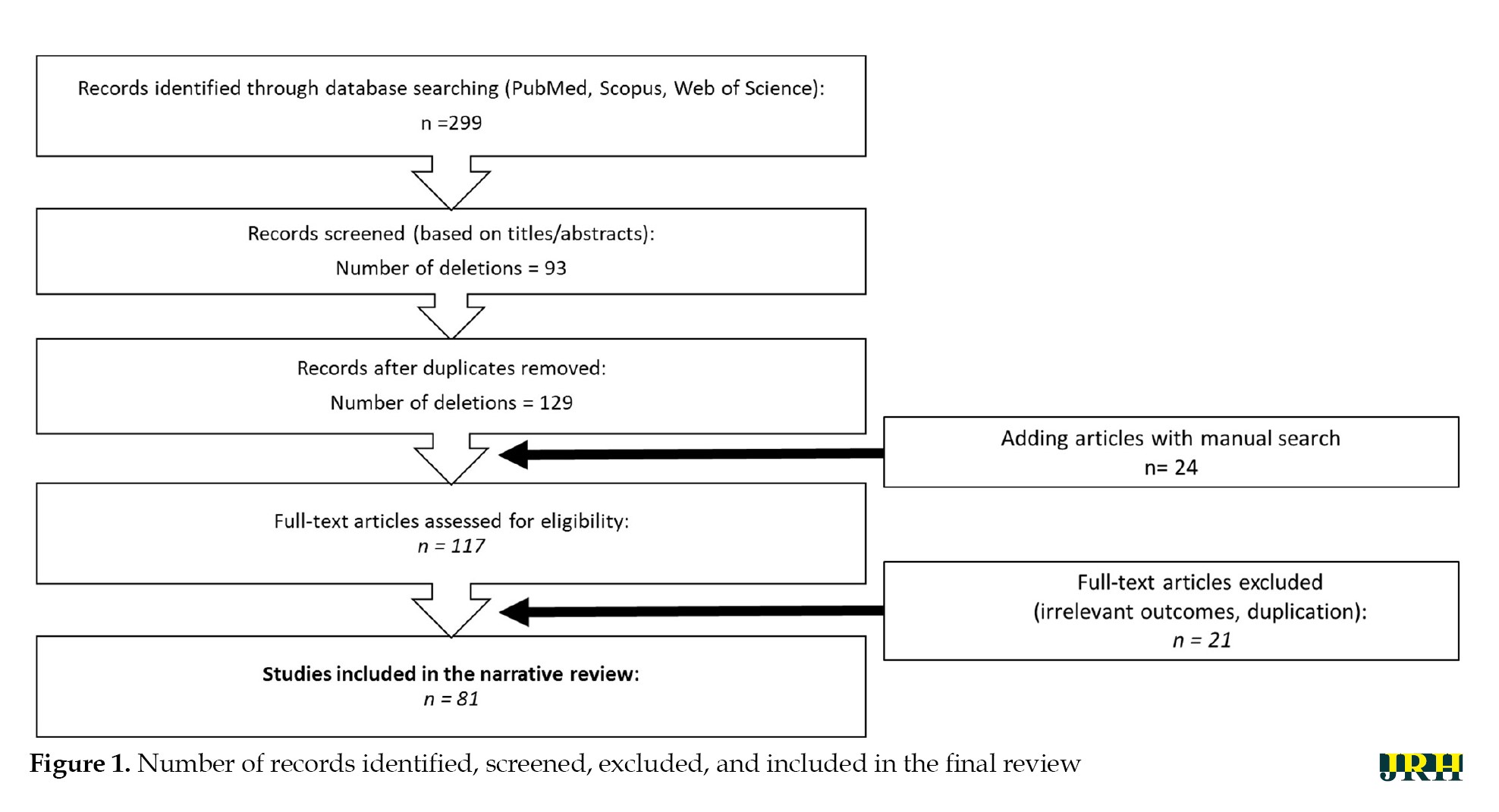
This narrative review summarizes the available evidence on the effects of Ramadan fasting on different body systems and cellular functions in healthy individuals. A comprehensive search was conducted in PubMed, Scopus, Web of Science, and Google Scholar. Keywords included “Ramadan,” “Islamic fasting,” “health,” “body systems,” and “cells” and combinations of these keywords and Boolean operators, such as “Ramadan” AND “Islamic” AND (“health” OR “physiology” OR “body systems” OR “cells”). Databases were searched for studies published between 2010 and 2024. The inclusion criteria were as follows: original studies and reviews in English on the physiological and systemic effects of Islamic fasting in healthy participants. Studies focusing on acute and chronic diseases, specific conditions, such as pregnancy and lactation, and other types of fasting were excluded, unless deemed necessary to complete the discussion. The EndNote software was used to organize records and identify duplicates. Initially, 299 articles were selected for review. After screening the title and abstract, 93 studies were excluded due to their inconsistency with the research objectives or because they examined fasting types other than Islamic fasting. In addition, 129 duplicate records—mostly older or low-citation publications—were excluded. Reference lists of included studies were screened for additional eligible articles, and 37 more were identified through manual searching. A total of 117 articles were excluded from the full text due to unclear demographic criteria, focus on disease states, examination of fasting in pregnant or lactating women, or investigations conducted under poor socioeconomic conditions. Finally, 81 articles were included for the final text of the present study. Two investigators independently reviewed and extracted data, with a third consulted in cases of disagreement.
Due to the narrative nature of the review, no formal tools were used to assess the risk of bias. Efforts were made to include studies with specific methods, appropriate statistical analysis, and sufficient sample size. Findings were summarized by body system, focusing on both beneficial and adverse effects, with redundant results being excluded.
Effects of Islamic fasting on various organs and systems of the body
Ramadan fasting and cardiovascular system
Ramadan fasting is associated with significant improvements in lipid profiles—reductions in total cholesterol, low-density lipoprotein (LDL), triglycerides, as well as increases in high-density lipoprotein (HDL)—along with improved blood pressure and heart rate [9, 10]. Studies also suggest increased parasympathetic activity during fasting, supporting relaxation and vital organ health, including the heart and brain [11]. Research by Badlzadeh et al. links Ramadan fasting to reduced oxidative stress, improved vascular function, and favorable lipid profile changes [12]. Furthermore, fasting enhances endothelial function and reduces cardiac stress in hypertensive patients, even when used alongside medication [13, 14]. Sutton et al. noted that time-restricted feeding benefits metabolism independently of weight loss, underscoring its broader physiological advantages [15].
Ramadan fasting and endocrine gland function
Fasting influences hormonal balance. In men, fasting increases anabolic hormones, such as testosterone and GH, supporting fat metabolism and muscle maintenance [16]. Time-restricted feeding improves insulin sensitivity and β-cell function in the pancreas, as Sutton et al. reported [15]. Altered circadian rhythms during fasting elevate cortisol levels throughout Ramadan, and this requires metabolic and endocrine adjustments to maintain energy balance [17].
Different studies reported that thyroid hormones remain stable overall during Ramadan, despite a decrease in T3 levels and a slight increase in T4 late in Ramadan, and these changes do not significantly affect reproductive or thyroid metabolic functions [18, 19]. Glucose homeostasis is maintained through pre-dawn meals and liver glycogen reserves, while lipid fluctuations depend on diet and weight changes [20]. Fasting shifts cortisol and testosterone secretion, increases nocturnal prolactin peaks. It minimally affects follicle-stimulating hormone (FSH) and growth hormone (GH) rhythms, and attenuates serum thyroid-stimulating hormone (TSH) rhythms (Boroumand et al.) [21]. Melatonin levels follow circadian patterns but decline significantly compared to baseline during Ramadan [22]. However, another study showed fasting increases serotonin levels without changing melatonin and cortisol levels [23].
Fasting also induces modest liver function improvements, with changes in enzymes, such as aspartate transaminase, alkaline phosphatase, bilirubin, and gamma-glutamyl transferase, suggesting transient protective effects against fatty liver disease [24].
Ramadan fasting and neurological system
Fasting enhances neurochemical activity by increasing serotonin, brain-derived neurotrophic factor (BDNF), and nerve growth factor (NGF) [25]. It does not raise the risk of cerebrovascular events, such as stroke or CVST [26].
Fasting seems to support brain health without affecting cortical thickness. A study linked the left amygdala to spatial memory strategies and found a connection between fat intake and brain volume distribution, with improved cognitive function and task performance after fasting [27]. IF shows promise for neurological disorders, such as better seizure control in epilepsy, cognitive improvement in Alzheimer’s disease, reduced disability in multiple sclerosis, and enhanced mood and anxiety regulation [28].
Studies on adolescents (11–15 years) revealed no significant effects on decision-making, reaction times, or information processing during Ramadan fasting [29]. A randomized trial showed that ischemic pain tolerance decreased early in Ramadan but improved over time, indicating adaptive pain response mechanisms [30]. Headaches related to dehydration during fasting are common but typically resolve with fluid intake [31]. However, a review noted increased migraine frequency during Ramadan compared to the following month [32].
Ramadan fasting and mental health outcomes
Research suggests that fasting and prayer positively impact mental health and emotional regulation. Fakhrari and Naghizadeh found that students who practiced fasting and prayer had higher mental health scores, indicating better psychological well-being [33]. However, the effects on sleep are mixed. A meta-analysis of 103 studies showed delayed sleep-wake cycles, reduced deep sleep, and lower daytime alertness due to fasting-related factors [34]. Other studies report improvements in anxiety, depression, and body mass index (BMI) among those fasting during Ramadan [35, 36], with Nasiri and Lotfi linking fasting to better mental health and aggression management [37].
Fasting has been associated with stress reduction, as shown by a significant decrease in stress levels among pre-clinical medical students during Ramadan [38]. Furthermore, fasting was associated with improved mood and reduced fatigue, though it did not significantly influence sleepiness, physical exercise, or calorie intake [39]. Molavi et al. found that fasting enhanced emotional processing, with quicker reactions to happy stimuli and increased mood levels [40].
Ramadan fasting and immunological system
Fasting modulates immune responses by enhancing leukocyte migration, prolonging monocyte survival, and promoting immune homeostasis [41]. It upregulates autophagy, reduces apoptosis-related gene expression, and boosts neutrophil activity, including degranulation and cytokine secretion [42].
Solimani-Far et al. found decreased serum immunoglobulin (Ig)A and interleukins (IL)-17 during Ramadan, while mucosal immunity remained stable [43]. Develioglu et al. observed reduced IgG and salivary IgA, unchanged IgM, and increased lymphocyte counts without direct correlation to immunoglobulin levels [44]. Other studies noted minor cytokine shifts, such as slight increases in IL-1α, IL-2, IL-8, and a reduction in IL-6, indicating subtle immune modulation [45].
Nasiri et al. reported minor decreases in white blood cell and lymphocyte counts, alongside a lower percentage of neutrophils after Ramadan [46]. Fasting also alters macrophage regulation, enhancing their functionality, reducing oxidative stress, and modulating inflammation [47].
Ramadan fasting and digestive system
Ramadan fasting generally has a minimal impact on gastrointestinal health. While Sadeghpour et al. reported rare cases of complications, such as peptic ulcers or bleeding, serious GI events are uncommon in healthy individuals [48]. Other studies found no major worsening of digestive symptoms during fasting, though constipation may increase with prolonged fasting beyond two weeks [49].
Combined with acid blockers, fasting can help reduce gastric ulcer risks [50]. In obese and sedentary men, fasting has been shown to regulate appetite-related hormones, leading to improved body composition and reduced obesity [51]. A review also suggested that fasting promotes gut health by fostering beneficial bacteria, such as Akkermansia muciniphila and Bacteroides [52], with several studies supporting its positive impact on the gut microbiome [53].
Furthermore, Abdullah et al. demonstrated that IF during Ramadan reduces visceral fat and enhances gastrointestinal motility [54]. Some increase in Helicobacter pylori growth is reported due to reduced acid secretion, though clinical significance remains unclear [55].
Ramadan fasting and respiratory system
Fasting may improve nasal airflow and mucociliary function [56]. Most studies on chronic obstructive pulmonary disease (COPD) show stable lung function during Ramadan [57-59], while others report enhanced pulmonary performance [60]. A literature review also suggested that fasting may benefit asthma patients by reducing high sensitivity c-reactive protein (hs-CRP) concentrations and alleviating symptoms like wheezing [61]. It also serves as a catalyst for smoking cessation [62].
Ramadan fasting and the skin
Increases in sebum production may occur due to hormonal and circadian shifts [63]. Several studies have demonstrated the potential benefits of IF for skin conditions, particularly psoriasis, and for improving treatment outcomes [64]. A multicenter study by Damiani et al. showed that fasting during Ramadan reduced the PASI score in patients with moderate to severe psoriasis [65]. It reduces oxidative stress, enhances hydration and barrier integrity, and supports skin rejuvenation [66, 67].
Ramadan fasting and the urinary system
Research on Ramadan fasting and kidney function shows largely neutral or mixed effects. Tarabeih et al. and Jaleel et al. found no significant changes in serum creatinine, urea, or nocturnal urine output, highlighting the body’s ability to conserve water during fasting and the importance of proper hydration during non-fasting hours [68, 69]. Hejaili et al. also reported no adverse effects on kidney transplant function over two consecutive Ramadan periods [70].
While a retrospective study of 237 patients in Riyadh found no overall increased risk of kidney stones, it noted a higher incidence of ureteral stones during summer fasting compared to winter [71]. Miladipour et al. observed reductions in urinary calcium, phosphate, and magnesium, but increases in concentrations of uric acid and other solutes, indicating altered stone formation risk during fasting [72].
Ramadan fasting and eye health
Studies on the ocular effects of Ramadan fasting show varied but generally modest outcomes. Overall, fasting does not significantly affect refractive errors or visual acuity in healthy individuals. Some research suggests minor changes in intraocular pressure (IOP) and ocular surface parameters. Hassan et al. observed a significant reduction in IOP among healthy African-Black participants during Ramadan [73, 74]. Armstrong et al. reported alterations in tear break-up time and increased ocular surface inflammation measured by InflammaDry, suggesting potential but limited impact on tear film stability [75]. Beyoğlu et al. investigated anterior segment structures and found that while fasting did not alter lens density or central corneal thickness, it led to slight decreases in anterior chamber depth and volume, along with a significant reduction in corneal density and IOP [76]. Regarding retinal structure, Gokmen noted an increase in subfoveal retinal thickness, though no significant differences were seen in foveal thickness or retinal vascular networks [77]. Ettehad et al. found a significant reduction in inner retinal thickness in both the parafoveal and foveal regions and a decrease in central retinal artery flow in the evening during fasting, indicating potential alterations in retinal circulation and structure [78]. Tear production may decrease, but not enough to significantly affect ocular health [79].
Cellular and tissue mechanisms affected by fasting
IF, including Ramadan fasting, modulates key signaling pathways, such as AMP-activated protein kinase (AMPK), mTOR, sirtuins, and FOXO, contributing to improved metabolic regulation, enhanced autophagy, reduced oxidative stress, and delayed aging phenotypes [80-82]. Studies suggest that IF can reduce oxidative damage, inflammation, and optimize energy metabolism, contributing to lifespan extension, disease prevention, and reduced cancer risk [83, 84]. It reduces oxidative stress, supports DNA repair, and boosts mitochondrial health [83, 84]. Ramadan fasting shares these mechanisms, promoting metabolic flexibility and toxin clearance [85]. Additionally, fasting increases mitochondrial health, promotes DNA repair, and influences white adipose tissue remodeling via vascular endothelial growth factorA (VEGF-A) and fibroblast growth factor21 (FGF21) [81, 82, 86]. Studies have shown that IF reduces inflammation, improves glucose and lipid metabolism, and enhances insulin sensitivity, making it a promising strategy for managing lifestyle-related conditions such as diabetes, cardiovascular disease, and obesity [87-89]. It may also reduce cancer risk and chemotherapy toxicity, though more clinical trials are needed before its routine use in cancer patients can be recommended [90].
In animal models, IF and calorie restriction lower β-amyloid accumulation, improve hippocampal function, and support vascular health [91]. These shifts influence fat storage, immune function, and cellular resilience to stress [92]. Fasting-induced metabolic shifts from glycogen to fatty acids and ketones are driven by hormonal regulators, such as peroxisome proliferatoractivated receptoralpha (PPARα) and cyclic AMP–responsive element–binding protein 3-like 3 (CREB3L3) [93, 94]. Short-term fasting enhances intestinal stem cell protection during chemotherapy by boosting autophagy, reducing apoptosis, and maintaining barrier integrity [95, 96].
Fasting also leads to a reduction in intracellular water, suggesting alterations in membrane function [85], and may slow age-related epigenetic changes, contributing to longevity [82]. Additionally, IF promotes neuroprotection by enhancing synaptic plasticity and neurogenesis, and potentially suppressing cancer cell proliferation [88].
Results
Figure 1 shows a flow diagram outlining the literature search and selection process, including the number of records identified, screened, excluded, and ultimately included in the final review.
Fasting, a profound spiritual practice, holds a central place in Islamic jurisprudence as a mandatory duty for adult Muslims who meet specific criteria. Observed during the holy month of Ramadan, fasting involves abstaining from food and drink from dawn (Suhoor) to sunset (Iftar), representing a unique form of intermittent fasting (IF) within the broader spectrum of dietary regimens [1]. While fasting is practiced across various faiths and traditions, Islamic fasting is distinguished by its unique structure and cultural significance. These characteristics have sparked considerable scholarly and medical interest, prompting investigations into its potential health implications—both beneficial and adverse. The interplay between religious belief, cultural customs, and health outcomes positions Islamic fasting as a compelling subject of interdisciplinary research. In a modern contexts, where individuals increasingly seek empirical support for traditional practices, understanding the health effects of fasting becomes essential. Religion and spirituality, recognized as vital dimensions of human experience [2], are now being integrated into therapeutic contexts with growing emphasis [3]. The anthropometric and body composition changes observed during Ramadan are temporary, indicating the need for sustained lifestyle modifications to achieve long-term benefits in healthy adults [4]. The Holy Quran encourages critical thinking to strengthen conscious faith, distinguishing right from wrong, promoting intellectual and moral development, inviting questioning and dialogue, and encouraging responsibility and accountability. Previous research has explored the effects of Islamic fasting on various diseases, detailing both its benefits and harms [5-8]. Given this trend, exploring the health impacts of Islamic fasting aligns not only with its spiritual importance but also with the Quran’s guidance that fasting is prescribed for those who are healthy and capable.
Unlike previous reviews that focused on specific systems or general effects, our study provides a comprehensive overview of Ramadan fasting’s impact on multiple body systems and cellular functions in healthy individuals. The main highlights of this review include its exclusive focus on healthy adults, its integration of both physiological and cellular outcomes, and its emphasis on Islamic fasting as a unique model of IF with practical health implications. By shedding light on these outcomes, we aim to provide a clearer understanding of fasting’s role in enhancing overall well-being for Muslims and non-Muslims alike.
Methods
Review of the literature
This narrative review summarizes the available evidence on the effects of Ramadan fasting on different body systems and cellular functions in healthy individuals. A comprehensive search was conducted in PubMed, Scopus, Web of Science, and Google Scholar. Keywords included “Ramadan,” “Islamic fasting,” “health,” “body systems,” and “cells” and combinations of these keywords and Boolean operators, such as “Ramadan” AND “Islamic” AND (“health” OR “physiology” OR “body systems” OR “cells”). Databases were searched for studies published between 2010 and 2024. The inclusion criteria were as follows: original studies and reviews in English on the physiological and systemic effects of Islamic fasting in healthy participants. Studies focusing on acute and chronic diseases, specific conditions, such as pregnancy and lactation, and other types of fasting were excluded, unless deemed necessary to complete the discussion. The EndNote software was used to organize records and identify duplicates. Initially, 299 articles were selected for review. After screening the title and abstract, 93 studies were excluded due to their inconsistency with the research objectives or because they examined fasting types other than Islamic fasting. In addition, 129 duplicate records—mostly older or low-citation publications—were excluded. Reference lists of included studies were screened for additional eligible articles, and 37 more were identified through manual searching. A total of 117 articles were excluded from the full text due to unclear demographic criteria, focus on disease states, examination of fasting in pregnant or lactating women, or investigations conducted under poor socioeconomic conditions. Finally, 81 articles were included for the final text of the present study. Two investigators independently reviewed and extracted data, with a third consulted in cases of disagreement.
Due to the narrative nature of the review, no formal tools were used to assess the risk of bias. Efforts were made to include studies with specific methods, appropriate statistical analysis, and sufficient sample size. Findings were summarized by body system, focusing on both beneficial and adverse effects, with redundant results being excluded.
Effects of Islamic fasting on various organs and systems of the body
Ramadan fasting and cardiovascular system
Ramadan fasting is associated with significant improvements in lipid profiles—reductions in total cholesterol, low-density lipoprotein (LDL), triglycerides, as well as increases in high-density lipoprotein (HDL)—along with improved blood pressure and heart rate [9, 10]. Studies also suggest increased parasympathetic activity during fasting, supporting relaxation and vital organ health, including the heart and brain [11]. Research by Badlzadeh et al. links Ramadan fasting to reduced oxidative stress, improved vascular function, and favorable lipid profile changes [12]. Furthermore, fasting enhances endothelial function and reduces cardiac stress in hypertensive patients, even when used alongside medication [13, 14]. Sutton et al. noted that time-restricted feeding benefits metabolism independently of weight loss, underscoring its broader physiological advantages [15].
Ramadan fasting and endocrine gland function
Fasting influences hormonal balance. In men, fasting increases anabolic hormones, such as testosterone and GH, supporting fat metabolism and muscle maintenance [16]. Time-restricted feeding improves insulin sensitivity and β-cell function in the pancreas, as Sutton et al. reported [15]. Altered circadian rhythms during fasting elevate cortisol levels throughout Ramadan, and this requires metabolic and endocrine adjustments to maintain energy balance [17].
Different studies reported that thyroid hormones remain stable overall during Ramadan, despite a decrease in T3 levels and a slight increase in T4 late in Ramadan, and these changes do not significantly affect reproductive or thyroid metabolic functions [18, 19]. Glucose homeostasis is maintained through pre-dawn meals and liver glycogen reserves, while lipid fluctuations depend on diet and weight changes [20]. Fasting shifts cortisol and testosterone secretion, increases nocturnal prolactin peaks. It minimally affects follicle-stimulating hormone (FSH) and growth hormone (GH) rhythms, and attenuates serum thyroid-stimulating hormone (TSH) rhythms (Boroumand et al.) [21]. Melatonin levels follow circadian patterns but decline significantly compared to baseline during Ramadan [22]. However, another study showed fasting increases serotonin levels without changing melatonin and cortisol levels [23].
Fasting also induces modest liver function improvements, with changes in enzymes, such as aspartate transaminase, alkaline phosphatase, bilirubin, and gamma-glutamyl transferase, suggesting transient protective effects against fatty liver disease [24].
Ramadan fasting and neurological system
Fasting enhances neurochemical activity by increasing serotonin, brain-derived neurotrophic factor (BDNF), and nerve growth factor (NGF) [25]. It does not raise the risk of cerebrovascular events, such as stroke or CVST [26].
Fasting seems to support brain health without affecting cortical thickness. A study linked the left amygdala to spatial memory strategies and found a connection between fat intake and brain volume distribution, with improved cognitive function and task performance after fasting [27]. IF shows promise for neurological disorders, such as better seizure control in epilepsy, cognitive improvement in Alzheimer’s disease, reduced disability in multiple sclerosis, and enhanced mood and anxiety regulation [28].
Studies on adolescents (11–15 years) revealed no significant effects on decision-making, reaction times, or information processing during Ramadan fasting [29]. A randomized trial showed that ischemic pain tolerance decreased early in Ramadan but improved over time, indicating adaptive pain response mechanisms [30]. Headaches related to dehydration during fasting are common but typically resolve with fluid intake [31]. However, a review noted increased migraine frequency during Ramadan compared to the following month [32].
Ramadan fasting and mental health outcomes
Research suggests that fasting and prayer positively impact mental health and emotional regulation. Fakhrari and Naghizadeh found that students who practiced fasting and prayer had higher mental health scores, indicating better psychological well-being [33]. However, the effects on sleep are mixed. A meta-analysis of 103 studies showed delayed sleep-wake cycles, reduced deep sleep, and lower daytime alertness due to fasting-related factors [34]. Other studies report improvements in anxiety, depression, and body mass index (BMI) among those fasting during Ramadan [35, 36], with Nasiri and Lotfi linking fasting to better mental health and aggression management [37].
Fasting has been associated with stress reduction, as shown by a significant decrease in stress levels among pre-clinical medical students during Ramadan [38]. Furthermore, fasting was associated with improved mood and reduced fatigue, though it did not significantly influence sleepiness, physical exercise, or calorie intake [39]. Molavi et al. found that fasting enhanced emotional processing, with quicker reactions to happy stimuli and increased mood levels [40].
Ramadan fasting and immunological system
Fasting modulates immune responses by enhancing leukocyte migration, prolonging monocyte survival, and promoting immune homeostasis [41]. It upregulates autophagy, reduces apoptosis-related gene expression, and boosts neutrophil activity, including degranulation and cytokine secretion [42].
Solimani-Far et al. found decreased serum immunoglobulin (Ig)A and interleukins (IL)-17 during Ramadan, while mucosal immunity remained stable [43]. Develioglu et al. observed reduced IgG and salivary IgA, unchanged IgM, and increased lymphocyte counts without direct correlation to immunoglobulin levels [44]. Other studies noted minor cytokine shifts, such as slight increases in IL-1α, IL-2, IL-8, and a reduction in IL-6, indicating subtle immune modulation [45].
Nasiri et al. reported minor decreases in white blood cell and lymphocyte counts, alongside a lower percentage of neutrophils after Ramadan [46]. Fasting also alters macrophage regulation, enhancing their functionality, reducing oxidative stress, and modulating inflammation [47].
Ramadan fasting and digestive system
Ramadan fasting generally has a minimal impact on gastrointestinal health. While Sadeghpour et al. reported rare cases of complications, such as peptic ulcers or bleeding, serious GI events are uncommon in healthy individuals [48]. Other studies found no major worsening of digestive symptoms during fasting, though constipation may increase with prolonged fasting beyond two weeks [49].
Combined with acid blockers, fasting can help reduce gastric ulcer risks [50]. In obese and sedentary men, fasting has been shown to regulate appetite-related hormones, leading to improved body composition and reduced obesity [51]. A review also suggested that fasting promotes gut health by fostering beneficial bacteria, such as Akkermansia muciniphila and Bacteroides [52], with several studies supporting its positive impact on the gut microbiome [53].
Furthermore, Abdullah et al. demonstrated that IF during Ramadan reduces visceral fat and enhances gastrointestinal motility [54]. Some increase in Helicobacter pylori growth is reported due to reduced acid secretion, though clinical significance remains unclear [55].
Ramadan fasting and respiratory system
Fasting may improve nasal airflow and mucociliary function [56]. Most studies on chronic obstructive pulmonary disease (COPD) show stable lung function during Ramadan [57-59], while others report enhanced pulmonary performance [60]. A literature review also suggested that fasting may benefit asthma patients by reducing high sensitivity c-reactive protein (hs-CRP) concentrations and alleviating symptoms like wheezing [61]. It also serves as a catalyst for smoking cessation [62].
Ramadan fasting and the skin
Increases in sebum production may occur due to hormonal and circadian shifts [63]. Several studies have demonstrated the potential benefits of IF for skin conditions, particularly psoriasis, and for improving treatment outcomes [64]. A multicenter study by Damiani et al. showed that fasting during Ramadan reduced the PASI score in patients with moderate to severe psoriasis [65]. It reduces oxidative stress, enhances hydration and barrier integrity, and supports skin rejuvenation [66, 67].
Ramadan fasting and the urinary system
Research on Ramadan fasting and kidney function shows largely neutral or mixed effects. Tarabeih et al. and Jaleel et al. found no significant changes in serum creatinine, urea, or nocturnal urine output, highlighting the body’s ability to conserve water during fasting and the importance of proper hydration during non-fasting hours [68, 69]. Hejaili et al. also reported no adverse effects on kidney transplant function over two consecutive Ramadan periods [70].
While a retrospective study of 237 patients in Riyadh found no overall increased risk of kidney stones, it noted a higher incidence of ureteral stones during summer fasting compared to winter [71]. Miladipour et al. observed reductions in urinary calcium, phosphate, and magnesium, but increases in concentrations of uric acid and other solutes, indicating altered stone formation risk during fasting [72].
Ramadan fasting and eye health
Studies on the ocular effects of Ramadan fasting show varied but generally modest outcomes. Overall, fasting does not significantly affect refractive errors or visual acuity in healthy individuals. Some research suggests minor changes in intraocular pressure (IOP) and ocular surface parameters. Hassan et al. observed a significant reduction in IOP among healthy African-Black participants during Ramadan [73, 74]. Armstrong et al. reported alterations in tear break-up time and increased ocular surface inflammation measured by InflammaDry, suggesting potential but limited impact on tear film stability [75]. Beyoğlu et al. investigated anterior segment structures and found that while fasting did not alter lens density or central corneal thickness, it led to slight decreases in anterior chamber depth and volume, along with a significant reduction in corneal density and IOP [76]. Regarding retinal structure, Gokmen noted an increase in subfoveal retinal thickness, though no significant differences were seen in foveal thickness or retinal vascular networks [77]. Ettehad et al. found a significant reduction in inner retinal thickness in both the parafoveal and foveal regions and a decrease in central retinal artery flow in the evening during fasting, indicating potential alterations in retinal circulation and structure [78]. Tear production may decrease, but not enough to significantly affect ocular health [79].
Cellular and tissue mechanisms affected by fasting
IF, including Ramadan fasting, modulates key signaling pathways, such as AMP-activated protein kinase (AMPK), mTOR, sirtuins, and FOXO, contributing to improved metabolic regulation, enhanced autophagy, reduced oxidative stress, and delayed aging phenotypes [80-82]. Studies suggest that IF can reduce oxidative damage, inflammation, and optimize energy metabolism, contributing to lifespan extension, disease prevention, and reduced cancer risk [83, 84]. It reduces oxidative stress, supports DNA repair, and boosts mitochondrial health [83, 84]. Ramadan fasting shares these mechanisms, promoting metabolic flexibility and toxin clearance [85]. Additionally, fasting increases mitochondrial health, promotes DNA repair, and influences white adipose tissue remodeling via vascular endothelial growth factorA (VEGF-A) and fibroblast growth factor21 (FGF21) [81, 82, 86]. Studies have shown that IF reduces inflammation, improves glucose and lipid metabolism, and enhances insulin sensitivity, making it a promising strategy for managing lifestyle-related conditions such as diabetes, cardiovascular disease, and obesity [87-89]. It may also reduce cancer risk and chemotherapy toxicity, though more clinical trials are needed before its routine use in cancer patients can be recommended [90].
In animal models, IF and calorie restriction lower β-amyloid accumulation, improve hippocampal function, and support vascular health [91]. These shifts influence fat storage, immune function, and cellular resilience to stress [92]. Fasting-induced metabolic shifts from glycogen to fatty acids and ketones are driven by hormonal regulators, such as peroxisome proliferatoractivated receptoralpha (PPARα) and cyclic AMP–responsive element–binding protein 3-like 3 (CREB3L3) [93, 94]. Short-term fasting enhances intestinal stem cell protection during chemotherapy by boosting autophagy, reducing apoptosis, and maintaining barrier integrity [95, 96].
Fasting also leads to a reduction in intracellular water, suggesting alterations in membrane function [85], and may slow age-related epigenetic changes, contributing to longevity [82]. Additionally, IF promotes neuroprotection by enhancing synaptic plasticity and neurogenesis, and potentially suppressing cancer cell proliferation [88].
Results
Figure 1 shows a flow diagram outlining the literature search and selection process, including the number of records identified, screened, excluded, and ultimately included in the final review.
The effects of Islamic fasting on vital systems of the body
In the present study, we evaluated findings from various studies on the effect of Islamic fasting on the vital organs of the body, including the cardiovascular, urinary, nervous, and respiratory systems. The findings indicate substantial beneficial effects of this dietary pattern on these systems, with no serious adverse effects reported after fasting. Fasting has been associated with several positive effects on cardiovascular health [9-15]. These findings highlight fasting’s potential neuroprotective and adaptive benefits while acknowledging challenges, such as hydration-related headaches [25-32]. The results suggest that while Ramadan fasting may have varied impacts on respiratory health, it holds promise for improving lung function in certain individuals and offering support for smoking cessation (56-62). While Ramadan fasting appears to have little effect on kidney function in most individuals, it may have varying impacts depending on environmental factors, such as fasting during summer versus winter, and the presence of underlying kidney conditions [67-71]. Table 1 presents the summarized effect of Islamic fasting on vital organs.
The effect of fasting on other body systems
In the current study, the effects of Islamic fasting on other organs and body systems were also evaluated. The results showed that Islamic fasting positively influences these structures, yielding beneficial effects. Islamic fasting induces hormonal changes and affects endocrine gland function, thereby enhancing the activities of various body systems [15-24]. Despite the possibility of sleep disorders, it has been observed that most fasting Muslims experience better mental and emotional conditions [33-40]. Fasting can enhance specific immune responses, balance inflammatory processes, and improve cellular resilience [41-47]. These findings illustrate that Ramadan fasting can have both beneficial and potentially harmful effects on gastrointestinal health, depending on individual factors and fasting duration [48-55]. These findings suggest that while Ramadan fasting may cause some temporary changes in ocular health, such as reduced tear production, increased inflammation, or shifts in IOP and retinal thickness, these effects are generally not severe in healthy individuals [72-78]. Furthermore, improved skin health has been noted as another benefit of this type of fasting [63-66]. Table 2 presents the summarized results of the effect of Islamic fasting on these systems.
The effect of fasting on cellular systems
The results show that the body’s cells exhibit increased activity following this dietary regimen, initiating cellular repair processes. Islamic fasting is associated with improved function of organelles and intracellular structures and increases the lifespan of the cell [84]. IF, including practices such as Ramadan fasting, has been shown to modulate various metabolic and cellular pathways that contribute to improved health outcomes [80, 89]. These pathways involve key signaling mechanisms, such as AMP-activated protein kinase (AMPK), sirtuins, and mechanistic target of rapamycin (mTOR), which promote metabolic regulation, autophagy, and reduced inflammation, while also influencing aging and disease prevention [84]. Fasting enhances mitochondrial health, improves lipid and glucose metabolism, and increases insulin sensitivity [87]. IF triggers molecular and cellular changes—such as increased levels of ketone bodies, BDNF, and gut microbiota shifts—that improve neuronal stress resistance, plasticity, and neurogenesis [82]. It has demonstrated neuroprotective effects, promoting cognitive function, reducing oxidative stress, and safeguarding against neurodegeneration [90]. Additionally, fasting may improve water balance and aid in toxin elimination, contributing to overall cellular health [85]. While the benefits of fasting are extensive, further research is needed to fully understand the long-term effects on human health, especially in relation to aging, disease prevention, and cognitive function [90, 91]. Table 3 presents the results of Islamic fasting on these cells.
Discussion
The Quran, in Surah Baqarah (2:183), [97] mandates fasting for Muslims and links it to the pursuit of righteousness. It also underscores divine wisdom in human creation and provision. Fasting, prescribed for earlier nations, is intended to foster self-control and awareness of both physical and spiritual needs. While the Quran encourages reflection and critical thinking, it invites exploration into the effects of fasting, which has been studied in various scientific contexts. This review study demonstrates that IF during Ramadan generally poses no serious risks to healthy individuals and can even promote improved health. These benefits may include improvements in physiological parameters related to cardiovascular health, metabolic function, and immune system function. Variability in study findings may be due to the cultural dietary differences, fasting duration affected by geographic and seasonal factors, age, gender, socioeconomic status, and other individual health and lifestyle factors [98]. Fasting during Ramadan may help eliminate intracellular toxins, and any potential adverse health effects from negative water balance are generally avoided. Lifestyle modifications, particularly sleep regulation, are essential for maintaining health. Fragmented or insufficient sleep may lead to gut dysbiosis and metabolic disorders, potentially due to hypothalamic-pituitary-adrenal axis activation. Probiotic supplements can improve sleep quality and help manage these effects [99]. Exercise during fasting can enhance physical fitness and cardiovascular autonomic balance [100], but it requires appropriate planning and management.
Healthcare professionals can utilize the insights from this study to provide evidence-based advice to healthy individuals fasting during Ramadan. Clinicians can advise patients on safely maintaining hydration, nutritional balance, and overall health throughout the fasting period. While the findings presented in this review provide compelling evidence of the health benefits of Ramadan fasting, several areas remain underexplored and warrant further investigation. Longitudinal, controlled clinical trials are needed to assess the long-term effects of fasting on health outcomes, particularly with regard to cellular aging, neuroplasticity, and organ function. Public health policies could also encourage flexible work hours and school schedules during Ramadan, allowing individuals to manage the demands of fasting without compromising their health or productivity. By promoting lifestyle modifications, such as sleep optimization, exercise, and probiotic supplements, public health authorities, can help mitigate potential negative impacts on gastrointestinal health and metabolic function.
Given that religious studies can be subject to bias from both proponents and opponents, it is advisable for research to be conducted by neutral individuals or mixed-group teams to ensure more reliable results. The Quran emphasizes the importance of fasting in a gentle and comforting tone. Islamic scholars have provided guidance on proper fasting etiquette, such as breaking the fast with warm water and a sweet food item. Like any other activity, fasting can have both benefits and drawbacks. According to the Qur’an: “Fasting is better for you if you only knew.” [97] By understanding the different aspects of fasting and managing them through appropriate nutrition, hydration, sleep regulation, and overall lifestyle adjustments, individuals can maximize its benefits.
Conclusion
The evaluation of various studies shows that a healthy Muslim can fast in Ramadan without any problems, provided proper management and planning and lifestyle modification are implemented.
Ethical Considerations
Compliance with ethical guidelines
This study was approved by the Research Ethics Committee of Mazandaran University of Medical Sciences, Ramsar Campus, Ramsar, Iran (Code: IR.MAZUMS.RIB.REC.1403.072).
Funding
This research did not receive any grant from funding agencies in the public, commercial, or non-profit sectors.
Authors' contributions
Conceptualization, methodology, supervision, project administration and funding acquisition: Samaneh Farrokhfar; Investigation, data collection, analysis, and Writing: All authors.
Conflict of interest
The authors declared no conflict of interest.
Acknowledgments
The authors are grateful to Mazandaran University of Medical Sciences, Ramsar Campus, for review by the Research Committee and Ethics Committee.
Reference
- Lange MG, Coffey AA, Coleman PC, Barber TM, Van Rens T, Oyebode O, et al. Metabolic changes with intermittent fasting. Journal of Human Nutrition and Dietetics : The Official Journal of the British Dietetic Association. 2024; 37(1):256–69. [DOI:10.1111/jhn.13253] [PMID]
- Paloutzian RF. Psychology of religion. In: Runehov ALC, Oviedo L, editors. Encyclopedia of Sciences and Religions. Dordrecht: Springer; 2013. [DOI:10.1007/978-1-4020-8265-8_939]
- Parsons W. The Psychology of Religion: An Overview. Religion: Social Religion, 2016. [Link]
- Wulandari F, Naim AJ, Putri UMP, Walker AN, Feng Q. The effect of Ramadan fasting on anthropometric and body composition of healthy adults within different time points: A systematic review and meta-analysis. International Journal of Obesity. 2025; 49(8):1490-501. [DOI:10.1038/s41366-025-01785-7] [PMID]
- Rahman S. Ramadan Fasting and its health benefits: What’s New? Open Access Macedonian Journal of Medical Sciences. 2022; 10(E):1329-42. [DOI:10.3889/oamjms.2022.9508]
- Akhtar AM, Ghouri N, Chahal CAA, Patel R, Ricci F, Sattar N, et al. Ramadan fasting: Recommendations for patients with cardiovascular disease. Heart. 2022; 108(4):258-65. [DOI:10.1136/heartjnl-2021-319273] [PMID]
- Emara MH, Soliman HH, Elnadry M, Mohamed Said E, Abd-Elsalam S, Elbatae HE, et al. Ramadan fasting, liver diseases interest group”. Ramadan fasting and liver diseases: A review with practice advices and recommendations. Liver International : Official Journal of the International Association for the Study of the Liver. 2021; 41(3):436-48. [DOI:10.1111/liv.14775] [PMID]
- Beshyah SA, Ali KF, Hafidh K, Hajjaji IM. Ramadan fasting and diabetes 2019: The year in review. Diabetes Research and Clinical Practice. 2021; 172:108593. [DOI:10.1016/j.diabres.2020.108593] [PMID]
- Jahrami HA, Faris ME, I Janahi A, I Janahi M, Abdelrahim DN, Madkour MI, et al. Does four-week consecutive, dawn-to-sunset intermittent fasting during Ramadan affect cardiometabolic risk factors in healthy adults? A systematic review, meta-analysis, and meta-regression. Nutrition, Metabolism, and Cardiovascular Diseases. 2021; 31(8):2273-301. [DOI:10.1016/j.numecd.2021.05.002] [PMID]
- Naz H, Haider R, Rashid H, Ul Haq Z, Malik J, Zaidi SMJ, et al. Islamic fasting: Cardiovascular disease perspective. Expert Review of Cardiovascular Therapy. 2022; 20(10):795-805. [DOI:10.1080/14779072.2022.2138344] [PMID]
- Cansel M, Taşolar H, Yağmur J, Ermiş N, Açıkgöz N, Eyyüpkoca F, et al. The effects of Ramadan fasting on heart rate variability in healthy individuals: A prospective study.Anatolian Journal of Cardiology/Anadolu Kardiyoloji Dergisi. 2014; 14(5):413-6. [DOI:10.5152/akd.2014.5108] [PMID]
- Badalzadeh R, Kohansal Koshki M, Yousefi B. [Effects of the Islamic fasting on the health (Persian)]. Islam and Health Journal. 2014; 1(2):27-31. [Link]
- Hammoud S, Saad I, Karam R, Abou Jaoude F, van den Bemt BJF, Kurdi M. Impact of Ramadan intermittent fasting on the heart rate variability and cardiovascular parameters of patients with controlled hypertension. Journal of Nutrition and Metabolism. 2021; 2021:6610455. [DOI:10.1155/2021/6610455] [PMID]
- Al-Jafar R, Zografou Themeli M, Zaman S, Akbar S, Lhoste V, Khamliche A, et al. Effect of religious fasting in Ramadan on blood pressure: Results from LORANS (London Ramadan Study) and a meta-analysis. Journal of the American Heart Association. 2021; 10(20):e021560. [DOI:10.1161/JAHA.120.021560] [PMID]
- Sutton EF, Beyl R, Early KS, Cefalu WT, Ravussin E, Peterson CM. Early time-restricted feeding improves insulin sensitivity, blood pressure, and oxidative stress even without weight loss in men with prediabetes. Cell Metabolism. 2018; 27(6):1212-21.e3. [DOI:10.1016/j.cmet.2018.04.010] [PMID]
- Alum EU, Obeagu EI, Ugwu OP, Alum BN, Arinze ED, Ukaidi CU. Exploring the differential impacts of intermittent fasting on men and women. Elite Journal of Health Science. 2024; 2(5):37-44. [Link]
- El Toony LF, Hamad DA, Omar OM. Outcome of focused pre-Ramadan education on metabolic and glycaemic parameters in patients with type 2 diabetes mellitus. Diabetes & Metabolic Syndrome: Clinical Research & Reviews. 2018; 12(5):761-7. [DOI:10.1016/j.dsx.2018.04.036] [PMID]
- Bahrayni S, Vakili R, Nematy M, Norouzy A, Hashemy SI, Ebrahimi M, et al. The effect of Ramadan fasting on thyroid hormones in 9-13 years old pre-menarche girls. Journal of Fasting and Health. 2013; 1(2):46-52. [Link]
- Kim BH, Joo Y, Kim MS, Choe HK, Tong Q, Kwon O. Effects of intermittent fasting on the circulating levels and circadian rhythms of hormones. Endocrinology and Metabolism. 2021; 36(4):745-56. [DOI:10.3803/EnM.2021.405] [PMID]
- Azizi F. Islamic fasting and health. Annals of Nutrition and Metabolism. 2010; 56(4):273-82. [DOI:10.1159/000295848] [PMID]
- Boroumand N, Hashemy SI. The effect of Ramadan fasting on endocrine system. Journal of Fasting & Health. 2015; 3(4):148. [Link]
- Faris MAE, Jahrami HA, Alhayki FA, Alkhawaja NA, Ali AM, Aljeeb SH, et al. Effect of diurnal fasting on sleep during Ramadan: a systematic review and meta-analysis. Sleep & Breathing. 2020; 24(2):771-82. [DOI:10.1007/s11325-019-01986-1] [PMID]
- Şentürk E, Yıldız M, Şentürk M, Varol E, Yildirim MS, Yilmaz DA, et al. Investigation of the effect of Ramadan fasting on serum levels of melatonin, cortisol, and serotonin: The case of Turkey. Irish Journal of Medical Science. 2024. 193(2):1073-7. [DOI:10.1007/s11845-023-03532-1] [PMID]
- Faris M, Jahrami H, Abdelrahim D, Bragazzi N, BaHammam A. The effects of Ramadan intermittent fasting on liver function in healthy adults: A systematic review, meta-analysis, and meta-regression. Diabetes Research and Clinical Practice. 2021; 178:108951. [DOI:10.1016/j.diabres.2021.108951] [PMID]
- Bastani A, Rajabi S, Kianimarkani F. The effects of fasting during Ramadan on the concentration of serotonin, dopamine, brain-derived neurotrophic factor and nerve growth factor. Neurology International. 2017; 9(2):7043. [DOI:10.4081/ni.2017.7043] [PMID]
- Javanmardi H, Safari A, Borhani-Haghighi A. Effect of Ramadan fasting in incidence of cerebral venous sinus thrombosis. International Journal of Stroke. 2018; 13(2):NP2-NP2. [DOI:10.1177/1747493017743799] [PMID]
- Iqbal M, Jamea AA, Alonso-Alonso M, Al-Regaiey KA, Bashir S. Cortical thickness, neurocognitive, and body composition effects of fasting during Ramadan. Journal of Research in Medical Sciences. 2019; 24:50. [DOI:10.4103/jrms.JRMS_783_18] [PMID]
- Gudden J, Arias Vasquez A, Bloemendaal M. The effects of intermittent fasting on brain and cognitive function. Nutrients. 2021; 13(9):3166. [DOI:10.3390/nu13093166] [PMID]
- Miladi A, Saafi MA, Latiri I. Effects of Ramadan on cognitive functions in young boys. Libyan Journal of Medicine. 2024; 19(1):2301830. [DOI:10.1080/19932820.2024.2301830] [PMID]
- Rouhani MH, Azadbakht L. Is Ramadan fasting related to health outcomes? A review on the related evidence. Journal of Research in Medical Sciences. 2014; 19(10):987-92. [PMID]
- Al-Hashel JY, Abokalawa F, Toma R, Algubari A, Ahmed SF. Impact of Ramadan fasting on migraine headache. 2021. [Preprint]. [DOI:10.21203/rs.3.rs-281622/v1]
- Abu-Salameh I, Plakht Y, Ifergane G. Migraine exacerbation during Ramadan fasting. The Journal of Headache and Pain. 2010; 11(6):513-7. [DOI:10.1007/s10194-010-0242-z] [PMID]
- Amirfakhraei A, Alinaghizadeh A. The impact of praying and fasting on the mental health of students attending the Bandar Abbas Branch of Islamic Azad University in Iran in 2012. Life Science Journal. 2012; 9(3):2179-84. [Link]
- KhoshniatNikoo M, Shadman ZH, Larijani B. Ramadan fasting, mental health and sleep-wake pattern. Iranian South Medical Journal. 2012; 15(2):137. [Link]
- Cinar M. The effects of fasting on mental health: An experimental research. Hitit Theology Journal. 2021; 20(2):1-22. [DOI:10.14395/hid.958876]
- Berthelot E, Etchecopar-Etchart D, Thellier D, Lancon C, Boyer L, Fond G. Fasting interventions for stress, anxiety and depressive symptoms: A systematic review and meta-analysis. Nutrients. 2021; 13(11):3947. [DOI:10.3390/nu13113947] [PMID]
- Nasiri M, Lotfi A. Effect of fasting on spiritual health, mental health, and control of aggression. Journal of Nutrition, Fasting & Health. 2020; 8(3):169. [Link]
- Ridho S, Maulana A. Effects of Ramadan fasting toward stress using the DASS-42 scoring system. Malaysian Journal of Sport Science and Recreation (MJSSR). 2023; 19(1):75-84. [DOI:10.24191/mjssr.v19i1.21758]
- Defi IR, Tanuwidjadja D, Jennie J. Fatigue, sleepiness, anxiety-depression score, calories and BDNF serum level, quality of life alteration during holy Ramadhan month. Indonesian Journal of Physical Medicine and Rehabilitation. 2022; 11(02):93-104. [DOI:10.36803/ijpmr.v11i02.365]
- Molavi M, Yunus J, Utama NP. The effect of Ramadan fasting on spatial attention through emotional stimuli. Psychology Research and Behavior Management. 2016; 9:105-14.[DOI:10.2147/PRBM.S100495] [PMID]
- Janssen H, Kahles F, Liu D, Downey J, Koekkoek LL, Roudko V, et al. Monocytes re-enter the bone marrow during fasting and alter the host response to infection. Immunity. 2023; 56(4):783-96. e7. [DOI:10.1016/j.immuni.2023.01.024] [PMID]
- Qian J, Fang Y, Yuan N, Gao X, Lv Y, Zhao C, et al. Innate immune remodeling by short-term intensive fasting. Aging Cell. 2021; 20(11):e13507. [DOI:10.1111/acel.13507] [PMID]
- Soleimanifar N, Assadiasl S, Alamolhoda MH, Nateghpour M, Arani MM, Sadr M, et al. Effect of Ramadan fasting on salivary IgA, serum IgA, IL-17, and IL-22 levels. Nutrition and Health. 2023; 29(3):591-7. [DOI:10.1177/02601060221092203] [PMID]
- DeDevelioglu ON, Kucur M, Ipek HD, Celebi S, Can G, Kulekci M. Effects of Ramadan fasting on serum immunoglobulin G and M, and salivary immunoglobulin A concentrations. Journal of International Medical Research. 2013; 41(2):463-72. [DOI:10.1177/0300060513476424] [PMID]
- Mohammed KI, Mahmood MM. Effect of Ramadan fasting on the levels of IL-1a, IL-2, IL-6 and IL-8 cytokines. DiAcademic Science Journa. 2010; 6(4):308-13. [Link]
- Nasiri J, Khoshdel A, Kheiri S, Boroujeni AJ. The effect of Ramadan fasting on tuberculin skin test and leukocyte count. Journal of Fasting & Health. 2017; 5(1):1-5. [Link]
- Lahdimawan A, Handono K, Indra R. Effect of Ramadan fasting on classically activated, oxidative stress and inflammation of macrophage. IOSR Journal of Pharmacy. 2013; 3(4):14-22. [DOI:10.9790/3013-034101422]
- Sadeghpour S, Keshteli AH, Daneshpajouhnejad P, Jahangiri P, Adibi P. Ramadan fasting and digestive disorders: SEPAHAN systematic review No. 7. Journal of Research in Medical Sciences. 2012; 17(7):150-8. [Link]
- Keshteli AH, Sadeghpour S, Feizi A, Boyce P, Adibi P. Evaluation of self-perceived changes in gastrointestinal symptoms during Ramadan fasting. Journal of Religion and Health. 2017; 56(5):1620-7. [DOI:10.1007/s10943-015-0160-0] [PMID]
- Hazafa A, Rehman K, Jabeen Z. The health impacts of Ramadan fasting. Journal of Nutrition, Fasting and Health. 2019; 7(3):116-20. [Link]
- Zouhal H, Bagheri R, Triki R, Saeidi A, Wong A, Hackney AC, et al. Effects of Ramadan intermittent fasting on gut hormones and body composition in males with obesity. International Journal of Environmental Research and Public Health. 2020; 17(15):5600. [DOI:10.3390/ijerph17155600] [PMID]
- Mousavi SN, Rayyani E, Heshmati J, Tavasolian R, Rahimlou M. Effects of Ramadan and non-ramadan intermittent fasting on gut microbiome. Frontiers in Nutrition. 2022; 9:860575. [DOI:10.3389/fnut.2022.860575] [PMID]
- Saglam D, Colak GA, Sahin E, Ekren BY, Sezerman U, Bas M. Effects of Ramadan intermittent fasting on gut microbiome: is the diet key? Frontiers in Microbiology. 2023; 14:1203205. [DOI:10.3389/fmicb.2023.1203205] [PMID]
- Abdallah H, Khalil M, Farella I, JohnBritto JS, Lanza E, Santoro S, et al. Ramadan intermittent fasting reduces visceral fat and improves gastrointestinal motility. European Journal of Clinical Investigation. 2023; 53(9):e14029. [DOI:10.1111/eci.14029] [PMID]
- Roy YJ, Lyutakov I. The effect of Ramadan and intermittent fasting on the development of Helicobacter pylori-induced peptic ulcers. British Journal of Hospital Medicine (London, England : 2005). 2023; 84(7):1-6. [DOI:10.12968/hmed.2022.0369] [PMID]
- Çakan D, Yılmaz HB, Yıldız MG, Yılmaz YZ, Uşaklıoğlu S. The effect of Ramadan fasting on nasal mucociliary activity and peak nasal inspiratory flow. European Archives of Oto-Rhino-Laryngology. 2022; 279(11):5247-52. [DOI:10.1007/s00405-022-07408-5] [PMID]
- Ben Fraj S, Miladi A, Guezguez F, Ben Rejeb M, Bouguila J, Gargouri I, et al. Does Ramadan fasting affect spirometric data of healthy adolescents? Clinical Medicine Insights: Pediatrics. 2019; 13:1179556519862280. [DOI:10.1177/1179556519862280] [PMID]
- Latiri I, Sandid S, Fennani MA, Hadrich M, Masmoudi T, Maatoug C, et al. The effects of Ramadan fasting on the spirometric data of healthy adult males. American Journal of Men’s Health. 2017; 11(4):1214-23. [DOI:10.1177/1557988316675091] [PMID]
- Zouari H, Latiri I, Mahjoub M, Boussarsar M, Benzarti M, Abdelghani A, et al. The effects of Ramadan intermittent fasting (RIF) on spirometric data of stable COPD patients: A pilot study. American Journal of Men’s Health. 2018; 12(2):359-69. [DOI:10.1177/1557988317734131] [PMID]
- Dodderi T, Philip R. Assessing the Impact of Ramadan Fasting on Pulmonary Function: Evidences from Healthy Young Adults. Global Journal of Otolaryngology. 2018; 17(5):555971. [DOI:10.19080/GJO.2018.17.555971]
- Askari VR, Alavinezhad A, Boskabady MH. The impact of “Ramadan fasting period” on total and differential white blood cells, haematological indices, inflammatory biomarker, respiratory symptoms and pulmonary function tests of healthy and asthmatic patients. Allergologia et Immunopathologia. 2016; ;44(4):359-67. [DOI:10.1016/j.aller.2015.10.002] [PMID]
- Zulkifley NH, Ismail S, Abdul Manaf R, Hamid Z. Effect of ramadhan fasting on nicotine dependence among smokers. Journal of Education and Social Sciences. 2017; 7(1):74-80. [Link]
- Setyopranoto I, Hadi H, Wirohadidjojo YW. The effect of Ramadan fasting on sebum production: association with nutritional intakes and sleeping pattern. Bangladesh Journal of Medical Science. 2019; 18(3):546-51. [DOI:10.3329/bjms.v18i3.41624]
- Mansilla-Polo M, Piquero-Casals J, Morgado-Carrasco D. Popular Diets and Skin Effects: A Narrative Review. Actas Dermo-Sifiliográficas. 2023; 115(4):374-86. [DOI:10.1016/j.ad.2023.10.015]
- Damiani G, Watad A, Bridgewood C, Pigatto PDM, Pacifico A, Malagoli P, et al. The Impact of Ramadan Fasting on the Reduction of PASI Score, in Moderate-To-Severe Psoriatic Patients: A Real-Life Multicenter Study. Nutrients. 2019; 11(2):277. [DOI:10.3390/nu11020277] [PMID]
- Rocha MS, Koslinski FNS, Aquino LLde, Barbosa LL, Souza IL de, Carvalho EMde, et al. Major clinical evidence of calorie restriction and intermittent fasting on skin health: A systematic review. MedNEXT Journal of Medical and Health Sciences. 2023; 4(4). [DOI:10.54448/mdnt23406]
- Maloh J, Wei M, Hsu WC, Caputo S, Afzal N, Sivamani RK. The effects of a fasting mimicking diet on skin hydration, skin texture, and skin assessment: A randomized controlled trial. Journal of Clinical Medicine. 2023; 12(5):1710. [DOI:10.3390/jcm12051710] [PMID]
- Tarabeih M, Qaddumi J, Hamdan Z, Hassan M, Jebrin K, Khazneh E, et al. Increasing overnight fluid intake and kidney function during ramadan fasting: A randomized controlled trial. Transplantation Proceedings. 2023; 55(1):80-6.[DOI:10.1016/j.transproceed.2022.10.059] [PMID]
- Jaleel M, Fathima FN, Jaleel BN. Nutrition, energy intake-output, exercise, and fluid homeostasis during fasting in Ramadan.Journal of Medical Nutrition and Nutraceuticals. 2013; 2(2):63-8. [Link]
- Hejaili F, Qurashi S, Binsalih S, Jaradt M, Al Sayyari A. Effect of repeated Ramadan fasting in the hottest months of the year on renal graft function. Nephro-Urology Monthly. 2014; 6(2):e14362. [DOI:10.5812/numonthly.14362] [PMID]
- Al Mahayni AO, Alkhateeb SS, Abusaq IH, Al Mufarrih AA, Jaafari MI, Bawazir AA. Does fasting in Ramadan increase the risk of developing urinary stones? Saudi Medical Journal. 2018; 39(5):481-6. [DOI:10.15537/smj.2018.5.22160] [PMID]
- Miladipour AH, Shakhssalim N, Parvin M, Azadvari M. Effect of Ramadan fasting on urinary risk factors for calculus formation. Iranian Journal of Kidney Diseases. 2012; 6(1):33-8. [PMID]
- Assadi M, Akrami A, Beikzadeh F, Seyedabadi M, Nabipour I, Larijani B, et al. Impact of Ramadan fasting on intraocular pressure, visual acuity and refractive errors.Singapore Medical Journal. 2011; 52(4):263-6. [PMID]
- Hassan MB, Isawumi MA. Effects of fasting on intraocular pressure in a black population. Middle East African Journal of Ophthalmology. 2014; 21(4):328-31. [DOI:10.4103/0974-9233.142271] [PMID]
- Armstrong BK, Coc IR, Agarwal P, Smith S, Navon S. Association of Ramadan daytime fasting with ocular surface inflammation and dry eye. International Ophthalmology. 2019; 39(12):2857-63. [DOI:10.1007/s10792-019-01133-5] [PMID]
- Beyoğlu A, Karakucuk Y, Çömez A. Evaluation of the effect of fasting on intraocular pressure, anterior segment parameters and density of crystalline lens and cornea. International Ophthalmology. 2020; 40(11):2987-94. [DOI:10.1007/s10792-020-01482-6] [PMID]
- Gokmen O, Ozgur G. The effect of religious fasting and dehydration at Ramadan on choroidal thickness and Retinal vessel densities, measured with optical coherence tomography angiography. European Journal of Ophthalmology. 2021; 31(2):497-504. [DOI:10.1177/1120672120958297] [PMID]
- Ettehad M, Abdollahi M, Jafarizadeh A, Attar Gharamaleki T, Niyousha M. Evaluating macular and optic nerve changes during Ramadan fasting by optical coherence tomography angiography-a prospective before-and-after study. International Ophthalmology. 2023; 43(11):4271-8. [DOI:10.1007/s10792-023-02837-5] [PMID]
- Koktekir BE, Bozkurt B, Gonul S, Gedik S, Okudan S. Effect of religious fasting on tear osmolarity and ocular surface. Eye & Contact Lens. 2014; 40(4):239-42. [DOI:10.1097/ICL.0000000000000044] [PMID]
- Yuliyanasari N, Rejeki PS, Hidayati HB, Subsomwong P, Miftahussurur M. The effect of intermittent fasting on preventing obesity-related early aging from a molecular and cellular perspective.Journal of Medicine and Life. 2024; 17(3):261-72. [DOI:10.25122/jml-2023-0370] [PMID]
- Vo N, Zhang Q, Sung HK. From fasting to fat reshaping: exploring the molecular pathways of intermittent fasting-induced adipose tissue remodeling. Journal of Pharmacy & Pharmaceutical Sciences. 2024; 27:13062. [DOI:10.3389/jpps.2024.13062] [PMID]
- Brocchi A, Rebelos E, Dardano A, Mantuano M, Daniele G. Effects of intermittent fasting on brain metabolism. Nutrients. 2022; 14(6):1275. [DOI:10.3390/nu14061275] [PMID]
- Longo VD, Mattson MP. Fasting: Molecular mechanisms and clinical applications. Cell Metabolism. 2014; 19(2):181-92. [DOI:10.1016/j.cmet.2013.12.008] [PMID]
- Strilbytska O, Klishch S, Storey KB, Koliada A, Lushchak O. Intermittent fasting and longevity: From animal models to implication for humans. Ageing Research Reviews. 2024; 96:102274. [DOI:10.1016/j.arr.2024.102274] [PMID]
- Najafi MT, Sadoogh Abbasian A, Mohammadi H, Abbasi MR, Khatami MR, Ghafari A, et al. Alteration in body water compartments following intermittent fasting in Ramadan. Frontiers in Nutrition. 2023; 10:1232979. [DOI:10.3389/fnut.2023.1232979] [PMID]
- Mattson MP. Cellular Adaptations to Intermittent Fasting with Emphasis on the Brain. In: Varady K, Manoogian EN, Longo VD, editors. Intermittent and Periodic Fasting, Aging and Disease. Cham: Springer; 2024. [DOI:10.1007/978-3-031-49622-6_7]
- Reinisch I, Michenthaler H, Sulaj A, Moyschewitz E, Krstic J, Galhuber M,et al. Adipocyte p53 coordinates the response to intermittent fasting by regulating adipose tissue immune cell landscape. Nature Communications. 2024; 15(1):1391. [DOI:10.1038/s41467-024-45724-y] [PMID]
- Liu S, Zeng M, Wan W, Huang M, Li X, Xie Z, et al. The Health‐Promoting Effects and the Mechanism of Intermittent Fasting. Journal of Diabetes Research. 2023; 2023(1):4038546. [DOI:10.1155/2023/4038546] [PMID]
- Ahmed A, Saeed F, Arshad MU, Afzaal M, Imran A, Ali SW, et al. Impact of intermittent fasting on human health: an extended review of metabolic cascades. International Journal of Food Properties. 2018; 21(1): 2700-13. [DOI:10.1080/10942912.2018.1560312]
- Clifton KK, Ma CX, Fontana L, Peterson LL. Intermittent fasting in the prevention and treatment of cancer. CA: A Cancer Journal for Clinicians. 2021; 71(6):527-46. [DOI:10.3322/caac.21694] [PMID]
- Elias A, Padinjakara N, Lautenschlager NT. Effects of intermittent fasting on cognitive health and Alzheimer’s disease. Nutrition Reviews. 2023; 81(9):1225-33. [DOI:10.1093/nutrit/nuad021] [PMID]
- He Z, Xu H, Li C, Yang H, Mao Y. Intermittent fasting and immunomodulatory effects: A systematic review. Frontiers in Nutrition. 2023; 10:1048230. [DOI:10.3389/fnut.2023.1048230] [PMID]
- Mishra A, Sobha D, Patel D, Suresh PS. Intermittent fasting in health and disease. Archives of Physiology and Biochemistry. 2024; 130(6):755-67. [DOI:10.1080/13813455.2023.2268301] [PMID]
- Ruppert PMM, Kersten S. Mechanisms of hepatic fatty acid oxidation and ketogenesis during fasting. Trends in Endocrinology & Metabolism. 2024; 35(2):107-24. [DOI:10.1016/j.tem.2023.10.002] [PMID]
- Tinkum KL, Stemler KM, White LS, Loza AJ, Jeter-Jones S, Michalski BM, et al. Fasting protects mice from lethal DNA damage by promoting small intestinal epithelial stem cell survival. Proceedings of the National Academy of Sciences of the United States of America. 2015; 112(51):E7148-54. [DOI:10.1073/pnas.1509249112] [PMID]
- Mattson MP, Longo VD, Harvie M. Impact of intermittent fasting on health and disease processes. Ageing Research Reviews. 2017; 39:46-58. [DOI:10.1016/j.arr.2016.10.005] [PMID]
- Nasr SH, Dagli CK, Dakake MM, Lumbard JEB. The Study Quran. New York: HarperCollins; 2015. [Link]
- Osman F, Haldar S, Henry CJ. Effects of time-restricted feeding during Ramadan on dietary intake, body composition and metabolic outcomes. Nutrients. 2020; 12(8):2478. [DOI:10.3390/nu12082478] [PMID]
- Matenchuk BA, Mandhane PJ, Kozyrskyj AL. Sleep, circadian rhythm, and gut microbiota. Sleep Medicine Reviews. 2020; 53:101340. [DOI:10.1016/j.smrv.2020.101340] [PMID]
- Kammoun N, Hidouri S, Ghram A, Ammar A, Masmoudi L, Driss T, et al. Effects of walking football during ramadan fasting on heart rate variability and physical fitness in healthy middle-aged males. American Journal of Men’s Health. 2022; 16(3):15579883221103418. [DOI:10.1177/15579883221103418] [PMID]
Type of Study: Review Article |
Subject:
● Health Systems
Received: 2025/03/5 | Accepted: 2025/08/26 | Published: 2026/03/14
Received: 2025/03/5 | Accepted: 2025/08/26 | Published: 2026/03/14
| Rights and permissions | |
 |
This work is licensed under a Creative Commons Attribution-NonCommercial 4.0 International License. |


This is an open access article distributed under the terms of the Creative Commons Attribution License (CC-By-NC), which permits use, distribution, and reproduction in any medium, provided the original work is properly cited and is not used for commercial purposes.
Contact Information
