

Volume 16, Issue 4 (Jul & Aug 2026)
J Research Health 2026, 16(4): 321-332 |
Back to browse issues page


Ethics code: 1


Download citation:
BibTeX | RIS | EndNote | Medlars | ProCite | Reference Manager | RefWorks
Send citation to:


BibTeX | RIS | EndNote | Medlars | ProCite | Reference Manager | RefWorks
Send citation to:
Kashani M, Sadeghi R, Kamani M. Health and Media Literacy for Psychological Resilience During Military Conflicts: A Systematic Review. J Research Health 2026; 16 (4) :321-332
URL: http://jrh.gmu.ac.ir/article-1-2894-en.html
URL: http://jrh.gmu.ac.ir/article-1-2894-en.html


1- Student Research Committee, Sirjan School of Medical Sciences, Sirjan, Iran.
2- Student Research Committee, Sirjan School of Medical Sciences, Sirjan, Iran. ,MehranKamany@yahoo.com
2- Student Research Committee, Sirjan School of Medical Sciences, Sirjan, Iran. ,
Keywords: Armed conflicts, Health literacy, Media literacy, Mental health, Psychological resilience, Stress disorders, Post-traumatic
Full-Text [PDF 802 kb]
(151 Downloads)
| Abstract (HTML) (879 Views)
Full-Text: (3 Views)
Introduction
Military conflicts, through the collapse of social order, forced displacement of populations, and the rampant circulation of misinformation, impose a host of severe psychological stressors from anxiety and depression to post-traumatic stress disorder (PTSD) on affected communities [1-3]. These conditions not only threaten mental health but also intensify fear and despair in war-torn societies by spreading propaganda and fake news [4-6]. The stress and anxiety stemming from armed conflicts disrupt psychological coping mechanisms and increase individual vulnerability, not only leaving severe emotional scars but also causing an accelerated decline in cognitive function. As Roberts et al. demonstrated in a prospective study of middle-aged women, severe PTSD symptoms significantly hastened the rate of cognitive decline [7].
In this review, mental health is considered a broad construct encompassing anxiety, depression, and PTSD. While PTSD is frequently discussed due to its prevalence in conflict settings, it is analyzed here as a component of overall mental health rather than as the central variable. This underscores the necessity of effective interventions. In this context, promoting health and media literacy, which bolster the ability to filter credible information, make informed decisions, and build psychological fortitude, has been introduced as a key strategy for reducing the burden of anxiety and depression and increasing psychological resilience [3, 8, 9].
The stress and anxiety that follow direct or indirect exposure to armed conflicts have deep and multi-layered health consequences. Recent longitudinal studies have shown that in the first three months after the start of the 2023 Israel war, the prevalence of anxiety, depression, and PTSD symptoms among residents in conflict zones increased significantly, reaching up to 45% above baseline [2]. Meta-analyses published in 2024 also emphasized that approximately one-quarter of civilians living in war zones develop clinical PTSD or depression [3]. In addition to psychological consequences, new epidemiological evidence has revealed a persistent link between PTSD and adverse vascular outcomes (including increased carotid intima-media thickness and a higher volume of white matter lesions in the brain) and a decline in cognitive function [9].
These two complementary forces play a vital role in the psychological reconstruction of communities in critical contexts, where every moment is intertwined with insecurity and uncertainty [10-12]. Media literacy is a vital yet often overlooked factor in mental health promotion during crises. This enables individuals to question and verify information, thereby reducing anxiety and fear caused by misinformation. In war contexts, higher media literacy strengthens trust in reliable sources and fosters emotional resilience under conflict-related stress [13-15].
Numerous studies have shown that promoting health literacy strengthens individuals’ ability to access mental health service resources and significantly reduces the psychological consequences of war—especially anxiety and depression. For example, Ekblad et al. (2024), in a six-week intervention with Ukrainian refugee families, demonstrated that health and mental health literacy training led to a doubling of counseling service utilization and a significant drop in anxiety scores [16]. Similarly, by fostering critical thinking and source evaluation skills, media literacy safeguards individuals against the flood of fake news and inflammatory content pervasive in digital environments within conflict zones, such as Ukraine [5, 6]. This role becomes doubly important in conditions where social media platforms are transformed into conduits for propaganda [17]. Ekblad et al. (2024) found that group-based health and mental health literacy programs for Ukrainian refugees in Sweden reduced anxiety and PTSD and enhanced resilience, underscoring the need to strengthen health and media literacy in war contexts [16].
Military conflicts, such as hypothetical or actual wars in the Middle East, create unprecedented challenges for mental health. The destruction of infrastructure, displacement, and widespread misinformation intensify psychological pressure on war-torn communities [18]. Roberts et al. (2022) showed that PTSD is associated with accelerated cognitive decline in middle-aged women [7]. Despite the growing recognition of health and media literacy as key determinants of mental well-being, the current literature remains fragmented [19-21]. Most studies have explored these literacies separately, focusing either on access to health information or the management of misinformation, without analyzing their combined impact on psychological resilience in conflict environments [13]. Moreover, region-specific evidence is scarce from Middle Eastern countries, where ongoing or potential military tensions amplify both mental health risks and information challenges [14, 22]. This gap highlights the urgent need for a comprehensive synthesis evaluating how integrating health and media literacy can jointly strengthen resilience and reduce mental health adversities during conflicts. Our research question is: “How can health and media literacy, in combination, mitigate the psychological consequences of military conflicts and enhance psychological resilience?"
Despite growing evidence, the existing literature on the combined role of health and media literacy in reducing the mental health toll of war is scattered. Many studies have focused on these literacies separately, but comprehensive reviews analyzing their synergistic interactions in the context of military conflicts remain limited [23]. This research gap is particularly evident in Middle Eastern regions, such as Iran and Israel, which face potential conflicts [24]. Given that the review period overlapped with the COVID-19 pandemic, studies focusing solely on pandemic-related distress were excluded. Studies conducted during 2020–2022 were included only if they analyzed conflict-related stress while controlling for COVID-19 as a contextual variable. Our study was designed following the preferred reporting items for systematic reviews and meta-analyses (PRISMA) guidelines to ensure that the search, screening, and data analysis processes adhered to high scientific standards [25]. We selected a narrative analysis approach to synthesize the findings, as methodological heterogeneity across studies limits the feasibility of a meta-analysis while facilitating a deeper analysis of patterns and gaps [26]. This approach is well-suited for investigating complex topics, such as the impact of health and media literacy in war settings [27]. The findings of our study can help policymakers and mental health professionals design targeted educational programs, especially scalable digital interventions, at various stages of conflict—that reduce the psychological toll of war and promote resilience and well-being in affected communities [28, 29]. Furthermore, by providing a comprehensive framework for transdiagnostic interventions among displaced populations, this review takes a crucial step toward the psychological reconstruction of communities affected by military crises. It paves the way for novel and generalizable approaches in war zones [30].
Given the growing psychological burden of modern conflicts and the parallel rise in digital misinformation, there is a critical need to identify evidence-based strategies that can empower individuals to protect their mental well-being [5, 31].
Health literacy supports informed self-care, while media literacy protects against misinformation. This study systematically examined how their interactions enhance resilience and reduce war-related mental distress. Accordingly, this review aimed to answer the question of how health and media literacy individually and in combination affect mental health indicators such as anxiety, depression, and PTSD among populations exposed to military conflict.
Methods
Study design
We conducted a review to evaluate the relationship between health literacy, and media literacy, and mental health outcomes during military conflicts. Specifically, this review aimed to identify the extent to which these literacies influence anxiety, depression, PTSD, and psychological resilience.
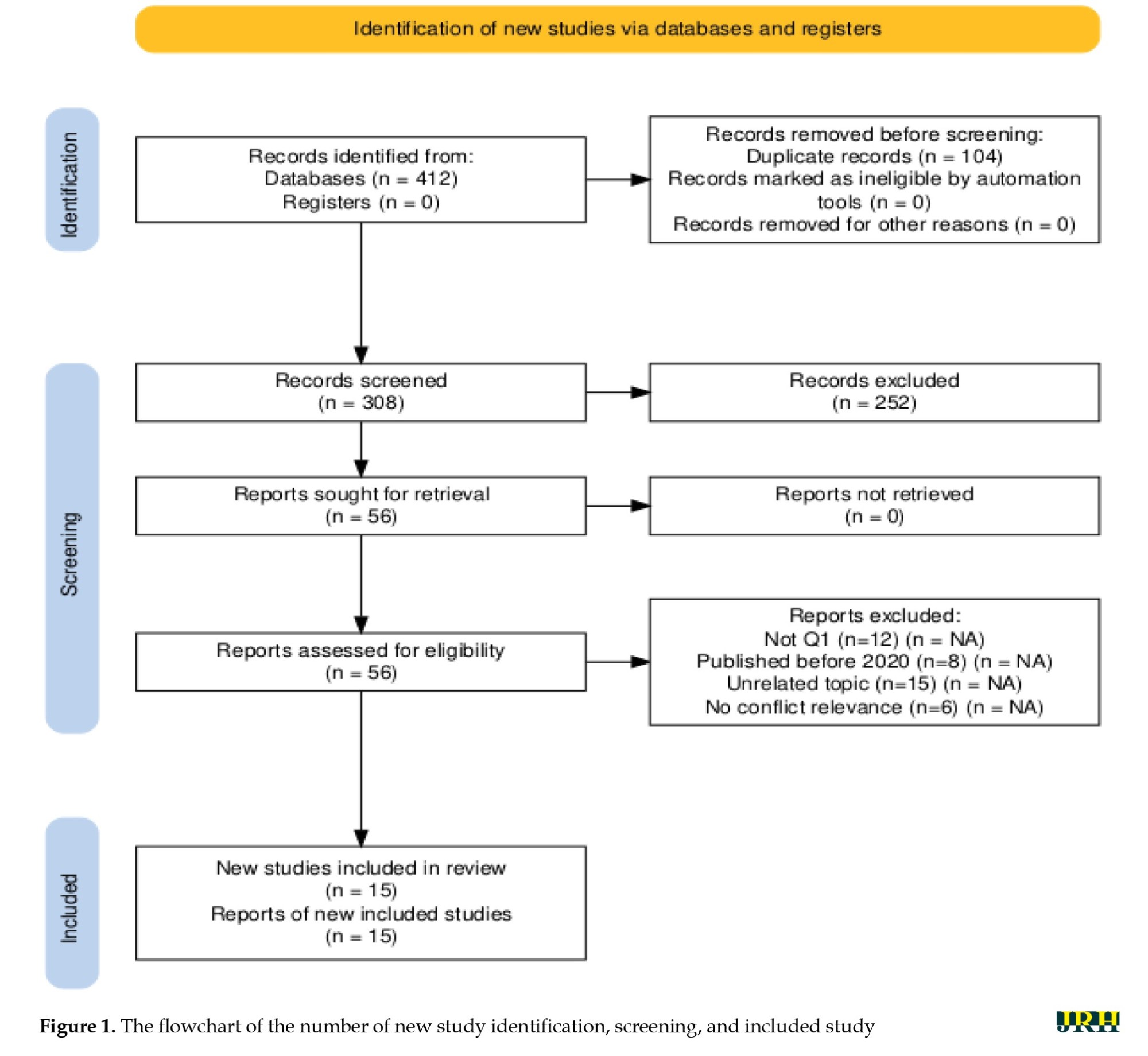
Following the PRISMA 2020 guidelines, the review process was performed in four stages: identification, screening, eligibility, and inclusion. Two independent reviewers conducted each step, and discrepancies were resolved through discussions or consultations with a third reviewer. Figure 1 shows the PRISMA flow of the study selection.
Military conflicts, through the collapse of social order, forced displacement of populations, and the rampant circulation of misinformation, impose a host of severe psychological stressors from anxiety and depression to post-traumatic stress disorder (PTSD) on affected communities [1-3]. These conditions not only threaten mental health but also intensify fear and despair in war-torn societies by spreading propaganda and fake news [4-6]. The stress and anxiety stemming from armed conflicts disrupt psychological coping mechanisms and increase individual vulnerability, not only leaving severe emotional scars but also causing an accelerated decline in cognitive function. As Roberts et al. demonstrated in a prospective study of middle-aged women, severe PTSD symptoms significantly hastened the rate of cognitive decline [7].
In this review, mental health is considered a broad construct encompassing anxiety, depression, and PTSD. While PTSD is frequently discussed due to its prevalence in conflict settings, it is analyzed here as a component of overall mental health rather than as the central variable. This underscores the necessity of effective interventions. In this context, promoting health and media literacy, which bolster the ability to filter credible information, make informed decisions, and build psychological fortitude, has been introduced as a key strategy for reducing the burden of anxiety and depression and increasing psychological resilience [3, 8, 9].
The stress and anxiety that follow direct or indirect exposure to armed conflicts have deep and multi-layered health consequences. Recent longitudinal studies have shown that in the first three months after the start of the 2023 Israel war, the prevalence of anxiety, depression, and PTSD symptoms among residents in conflict zones increased significantly, reaching up to 45% above baseline [2]. Meta-analyses published in 2024 also emphasized that approximately one-quarter of civilians living in war zones develop clinical PTSD or depression [3]. In addition to psychological consequences, new epidemiological evidence has revealed a persistent link between PTSD and adverse vascular outcomes (including increased carotid intima-media thickness and a higher volume of white matter lesions in the brain) and a decline in cognitive function [9].
These two complementary forces play a vital role in the psychological reconstruction of communities in critical contexts, where every moment is intertwined with insecurity and uncertainty [10-12]. Media literacy is a vital yet often overlooked factor in mental health promotion during crises. This enables individuals to question and verify information, thereby reducing anxiety and fear caused by misinformation. In war contexts, higher media literacy strengthens trust in reliable sources and fosters emotional resilience under conflict-related stress [13-15].
Numerous studies have shown that promoting health literacy strengthens individuals’ ability to access mental health service resources and significantly reduces the psychological consequences of war—especially anxiety and depression. For example, Ekblad et al. (2024), in a six-week intervention with Ukrainian refugee families, demonstrated that health and mental health literacy training led to a doubling of counseling service utilization and a significant drop in anxiety scores [16]. Similarly, by fostering critical thinking and source evaluation skills, media literacy safeguards individuals against the flood of fake news and inflammatory content pervasive in digital environments within conflict zones, such as Ukraine [5, 6]. This role becomes doubly important in conditions where social media platforms are transformed into conduits for propaganda [17]. Ekblad et al. (2024) found that group-based health and mental health literacy programs for Ukrainian refugees in Sweden reduced anxiety and PTSD and enhanced resilience, underscoring the need to strengthen health and media literacy in war contexts [16].
Military conflicts, such as hypothetical or actual wars in the Middle East, create unprecedented challenges for mental health. The destruction of infrastructure, displacement, and widespread misinformation intensify psychological pressure on war-torn communities [18]. Roberts et al. (2022) showed that PTSD is associated with accelerated cognitive decline in middle-aged women [7]. Despite the growing recognition of health and media literacy as key determinants of mental well-being, the current literature remains fragmented [19-21]. Most studies have explored these literacies separately, focusing either on access to health information or the management of misinformation, without analyzing their combined impact on psychological resilience in conflict environments [13]. Moreover, region-specific evidence is scarce from Middle Eastern countries, where ongoing or potential military tensions amplify both mental health risks and information challenges [14, 22]. This gap highlights the urgent need for a comprehensive synthesis evaluating how integrating health and media literacy can jointly strengthen resilience and reduce mental health adversities during conflicts. Our research question is: “How can health and media literacy, in combination, mitigate the psychological consequences of military conflicts and enhance psychological resilience?"
Despite growing evidence, the existing literature on the combined role of health and media literacy in reducing the mental health toll of war is scattered. Many studies have focused on these literacies separately, but comprehensive reviews analyzing their synergistic interactions in the context of military conflicts remain limited [23]. This research gap is particularly evident in Middle Eastern regions, such as Iran and Israel, which face potential conflicts [24]. Given that the review period overlapped with the COVID-19 pandemic, studies focusing solely on pandemic-related distress were excluded. Studies conducted during 2020–2022 were included only if they analyzed conflict-related stress while controlling for COVID-19 as a contextual variable. Our study was designed following the preferred reporting items for systematic reviews and meta-analyses (PRISMA) guidelines to ensure that the search, screening, and data analysis processes adhered to high scientific standards [25]. We selected a narrative analysis approach to synthesize the findings, as methodological heterogeneity across studies limits the feasibility of a meta-analysis while facilitating a deeper analysis of patterns and gaps [26]. This approach is well-suited for investigating complex topics, such as the impact of health and media literacy in war settings [27]. The findings of our study can help policymakers and mental health professionals design targeted educational programs, especially scalable digital interventions, at various stages of conflict—that reduce the psychological toll of war and promote resilience and well-being in affected communities [28, 29]. Furthermore, by providing a comprehensive framework for transdiagnostic interventions among displaced populations, this review takes a crucial step toward the psychological reconstruction of communities affected by military crises. It paves the way for novel and generalizable approaches in war zones [30].
Given the growing psychological burden of modern conflicts and the parallel rise in digital misinformation, there is a critical need to identify evidence-based strategies that can empower individuals to protect their mental well-being [5, 31].
Health literacy supports informed self-care, while media literacy protects against misinformation. This study systematically examined how their interactions enhance resilience and reduce war-related mental distress. Accordingly, this review aimed to answer the question of how health and media literacy individually and in combination affect mental health indicators such as anxiety, depression, and PTSD among populations exposed to military conflict.
Methods
Study design
We conducted a review to evaluate the relationship between health literacy, and media literacy, and mental health outcomes during military conflicts. Specifically, this review aimed to identify the extent to which these literacies influence anxiety, depression, PTSD, and psychological resilience.
Following the PRISMA 2020 guidelines, the review process was performed in four stages: identification, screening, eligibility, and inclusion. Two independent reviewers conducted each step, and discrepancies were resolved through discussions or consultations with a third reviewer. Figure 1 shows the PRISMA flow of the study selection.
To ensure clarity and repeatability, we followed the PRISMA checklist. This means that every step, from searching for studies to selecting and reviewing them, was performed consistently and unbiasedly. Below, we explain how we searched for studies, decided which to include, extracted the data, and assessed each study›s quality.
Inclusion and exclusion criteria
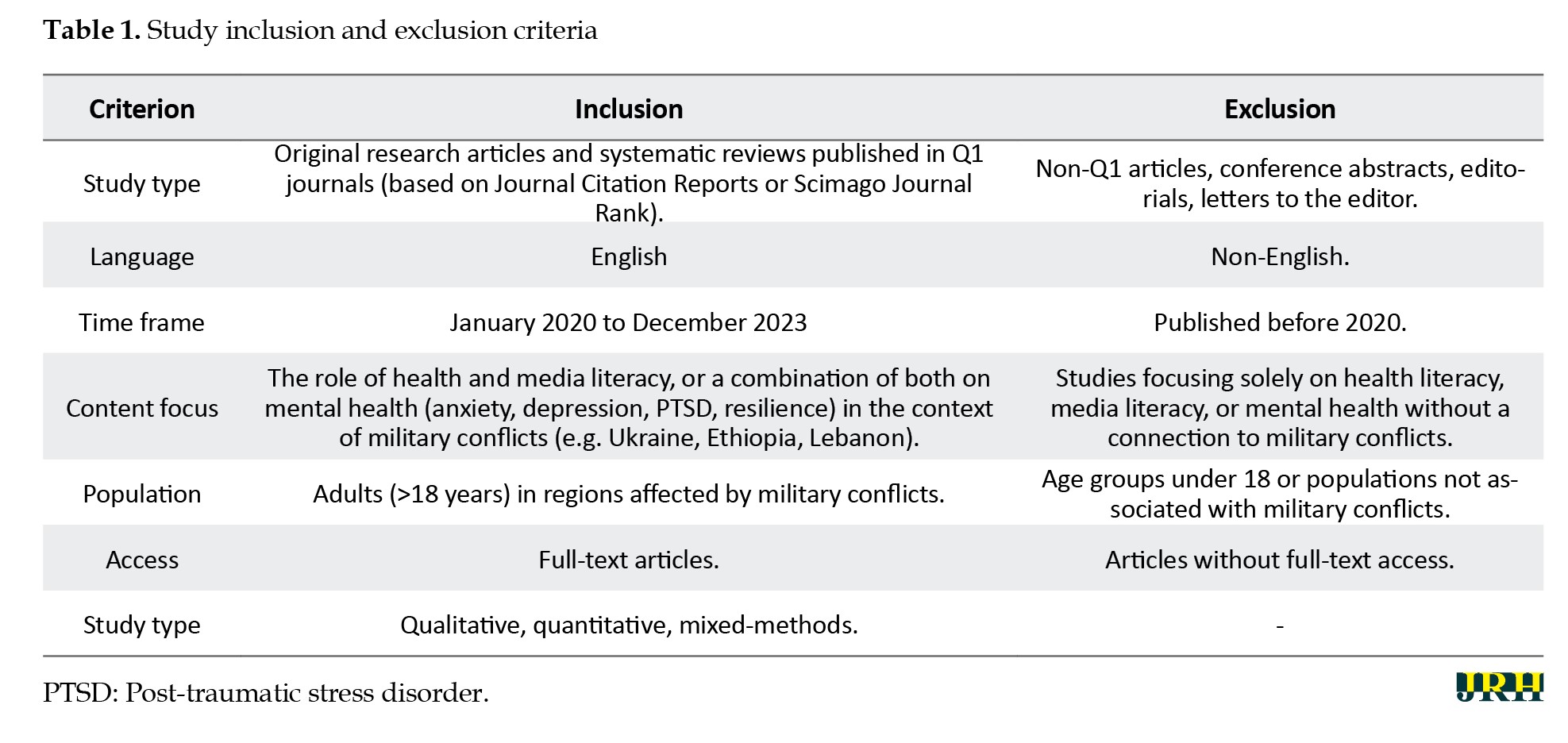
Table 1 presents the inclusion and exclusion criteria.
Search strategy
We searched four major databases, PubMed, Scopus, Web of Science, and PsycINFO, using keywords and their synonyms. We built our search using MeSH terms and simple “AND/OR/NOT” logic to cover topics, such as health literacy, media literacy, mental health, war, and resilience. For example, in PubMed we used: (“Health literacy” OR “media literacy” OR “information literacy” OR “digital literacy”) AND (“mental health” OR “psychological well-being” OR “psychological resilience” OR “anxiety” OR “depression” OR “post-traumatic stress disorder”) AND (“war” OR “conflict” OR “military conflict”) AND ("2020/01/01"[PDAT]: "2025/12/31"[PDAT]). We also scanned the reference lists of key papers (backward searching) and checked who had cited them (forward searching) to identify any studies we might have missed.
Screening and study selection
All search results were imported into EndNote, where duplicates were removed. We then screened in three steps:
1) Title and abstract check: Two reviewers independently marked obviously off-topic papers for exclusion. 2) Full-text review: The same two reviewers read the remaining articles in detail. 3) Final selection: When the reviewers disagreed, they discussed it, and if needed, brought in a third reviewer.
Following the PRISMA 2020 guidelines, the article selection process was conducted in four sequential phases: identification, screening, eligibility, and inclusion. During the identification stage, a comprehensive search was performed in four databases (PubMed, Scopus, Web of Science, and PsycINFO), yielding 412 initial records. In the screening phase, duplicate records (n=104) were removed using EndNote software, and 308 unique titles and abstracts were reviewed. Two independent reviewers screened all abstracts for relevance and excluded 252 studies that did not meet the inclusion criteria (e.g. studies unrelated to military conflicts, non-Q1 sources, or non-English language studies). During the eligibility phase, 56 full-text articles were examined in-depth. Exclusion at this stage was based on a lack of clear focus on mental health outcomes, absence of literacy variables, or publication before 2020. The inclusion phase resulted in 15 eligible studies that met all predefined criteria (original research or systematic reviews from Q1 journals, adult populations in conflict-affected settings, full-text availability, and relevance to health or media literacy). Disagreements between reviewers were resolved by discussion or consultation with a third reviewer to ensure consistency and transparency. The PRISMA flow diagram (Figure 1) illustrates the step-by-step process of study identification and selection.
Data extraction and analysis
Two researchers independently extracted key details from each paper into a standard table: Author, year, country, study type (quantitative, qualitative, or mixed), sample size and composition, conflict context, literacy measures, mental-health outcomes, and main findings. Any disagreements were resolved through discussion. The methodological quality of each included study was independently evaluated by two reviewers using appropriate appraisal tools: The critical appraisal skills program (CASP) checklist for qualitative studies and the newcastle–ottawa scale (NOS) for quantitative and mixed-method studies. Each paper was rated based on the clarity of objectives, methodological rigor, and relevance to the review question. Discrepancies were resolved through consensus before thematic grouping. We grouped the results into five themes:
1) Health literacy›s effect on mental health problems in conflicts; 2) Media literacy›s role in handling misinformation; 3) Barriers to finding reliable information during crises; 4) How health and media literacy together build resilience; 5) Regions where more research is needed
Because the studies varied widely in design and outcomes, we conducted a narrative (story-style) synthesis rather than a meta-analysis.
Quality assessment of studies
We assessed the quality of the selected articles using standard tools, such as the CASP for qualitative studies and the NOS for quantitative and mixed-methods studies. Two independent researchers conducted this evaluation to ensure accuracy and reliability. The results showed that of the 15 selected articles, 12 were of high quality and three were of moderate quality.
Given the heterogeneity of the study designs and reported outcomes, a quantitative analysis (meta-analysis) was not feasible. Therefore, we conducted a narrative analysis to synthesize these findings. This analysis involved categorizing the findings based on the key themes mentioned, including the impact of health literacy on psychological resilience, the role of media literacy in reducing misinformation-related stress, challenges in accessing credible information, the interaction between health and media literacy, and identifying geographical gaps in research within the context of military conflict. Figure 1 shows the overall flowchart of the study selections.
Results
This systematic review evaluated 15 studies that fit our criteria and explored how health and media literacies affect mental health during military conflicts. These studies were extracted from PubMed, Scopus, Web of Science, and PsycINFO, and only top-tier (Q1) journals from 2020 to 2023. After reading each paper, the findings were grouped into five main themes:
1) How health literacy eases mental strain; 2) How media literacy helps people spot and handle misinformation; 3) Barriers to finding trustworthy information; 4) How health and media literacy together boost resilience; 5) Where research is missing geographically
Converging trends indicated a strong association between health and media literacy and a reduction in anxiety and depression. However, variations in the magnitude of effects were observed; for instance, studies in Ethiopia reported a stress reduction of up to 76%, whereas in the United States, the reduction was lower (15%), likely due to differences in conflict intensity and digital infrastructure. Contradictions were also present; some studies (e.g. in Nigeria) emphasized short-term effects, while multi-country studies highlighted long-term impacts. Several tables were designed to present the findings transparently.
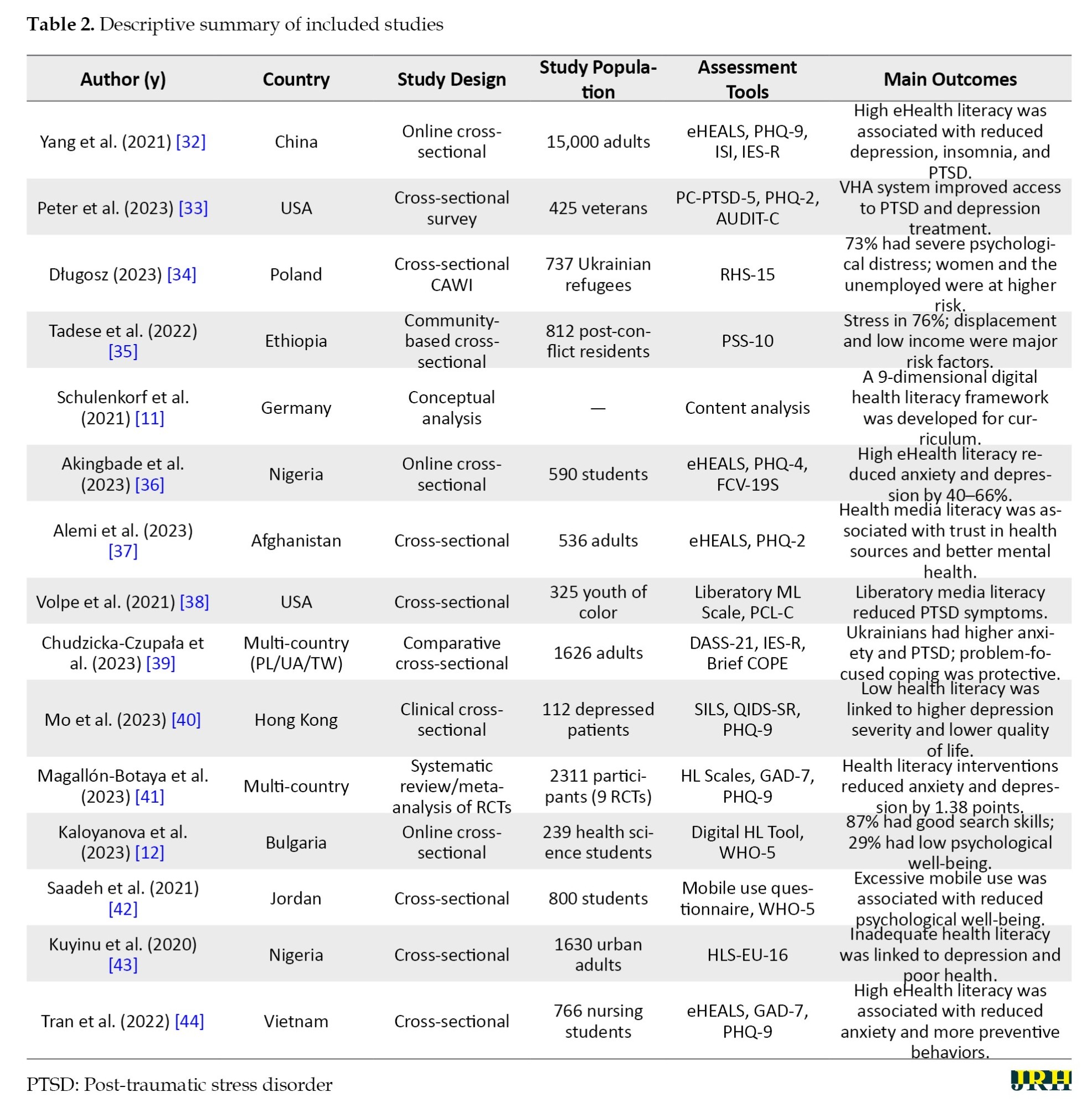
Of the 15 studies, 9(60%) were quantitative, 4(27%) were qualitative, and 2(13%) were mixed-methods. These studies were conducted between 2020 and 2023 in various countries, including the United States (two studies), Nigeria (two studies), multi-country (two studies), China, Poland, Ethiopia, Germany, Hong Kong, Bulgaria, Jordan, Vietnam, and Afghanistan (one study each). The populations consisted of adults aged 18 and older in military conflict or post-conflict zones, with sample sizes ranging from 112 to 15,000. Health literacy assessment tools included eHEALS, HLS-EU-16, and SILS, while media literacy was assessed using the Liberatory ML Scale and the Digital HL Tool. Mental health outcomes included anxiety, depression, PTSD, psychological resilience, and psychological well-being, the summary of all studies included in Table 2.
Quality of studies
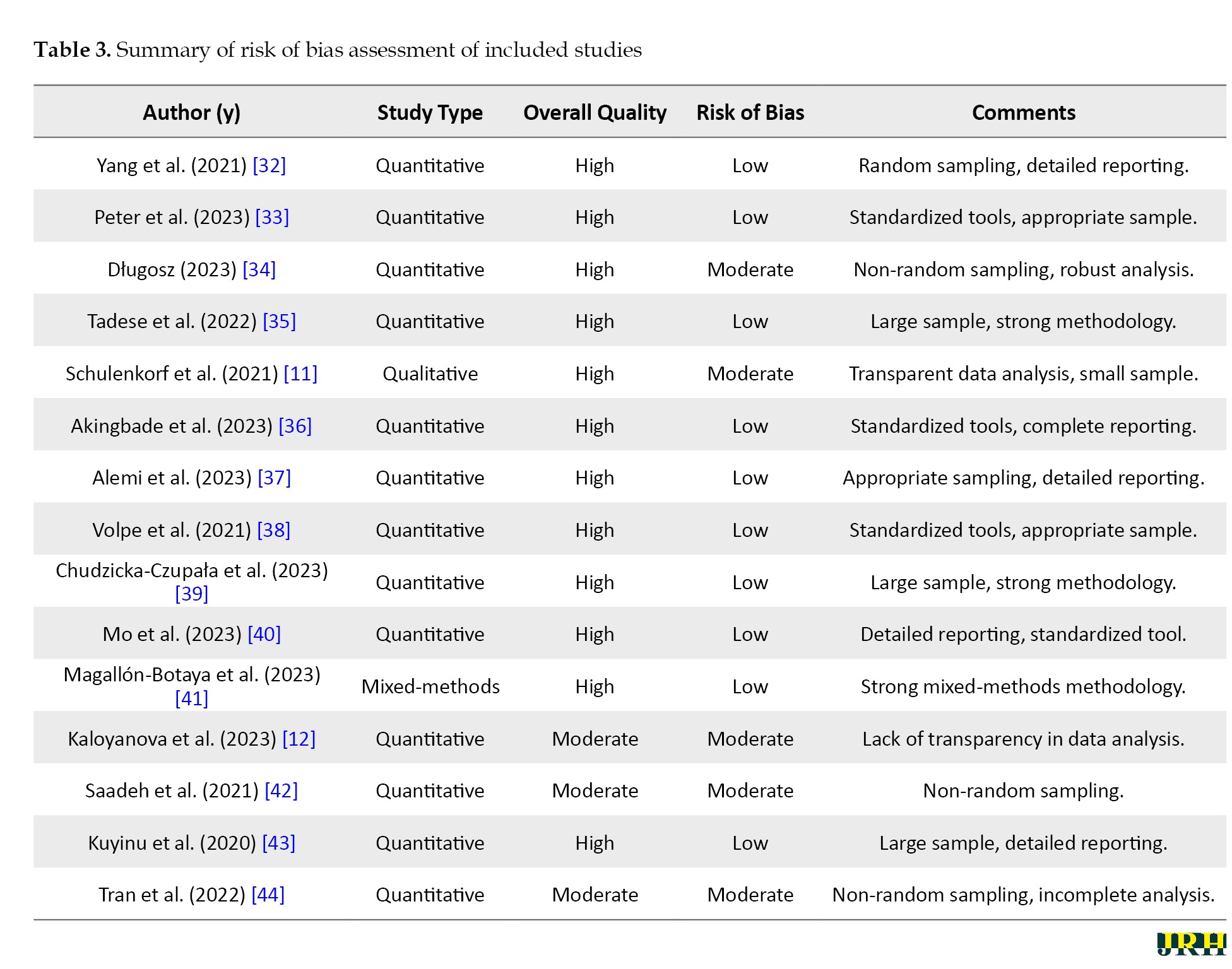
The quality was assessed using the CASP for qualitative studies and the NOS for quantitative and mixed-methods studies. Of the 15 studies, 12(80%) were of high quality (score 8–9 on NOS or meeting all CASP criteria), and 3(20%) were of moderate quality (score 6–7 on NOS). No studies were excluded due to low quality. The risk of bias, as shown in Table 2, was mainly due to non-random sampling in quantitative studies and incomplete reporting of the data analysis process in qualitative studies. These risks were considered in the narrative analysis to assess their impact on the findings (Table 3).
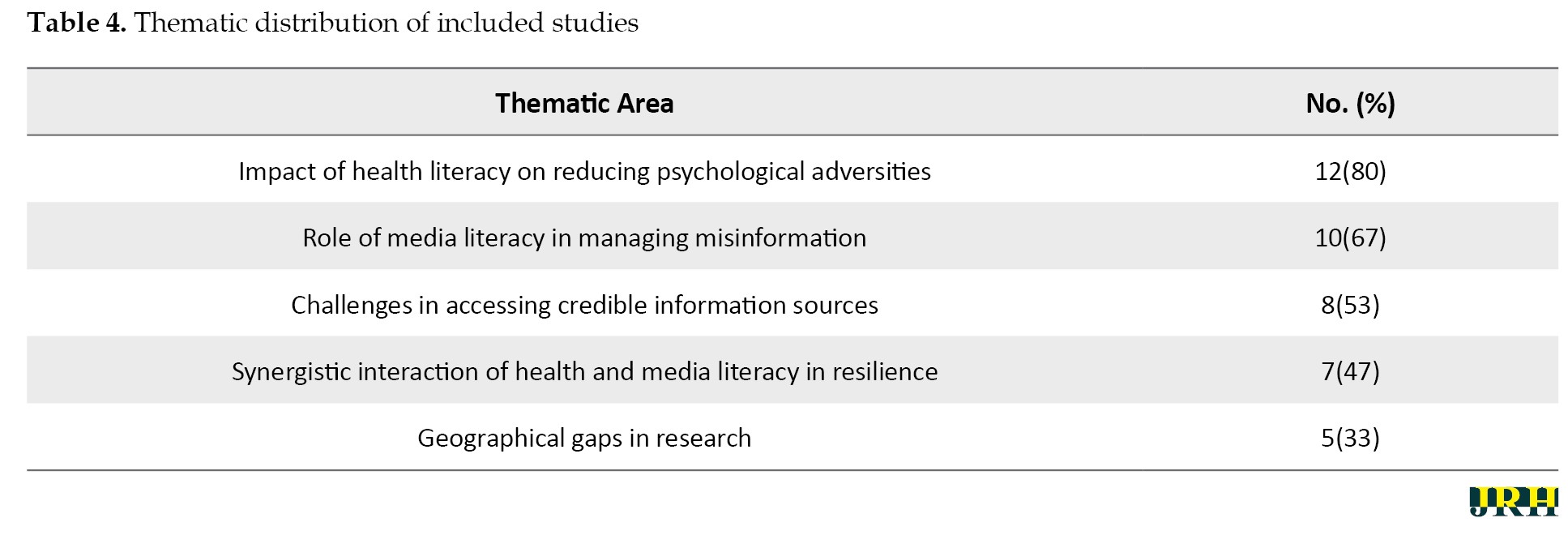
Twelve studies (80%) reported that health literacy reduces psychological adversities, such as anxiety, depression, and PTSD, by increasing access to credible information and enhancing self-management. For example, in Ethiopia, high health literacy was associated with a 76% reduction in post-conflict stress, as individuals were better able to identify and use mental health resources [8]. In Lebanon, health literacy training reduced depression by improving access to online services [6]. The mechanisms for this effect include empowering individuals to make informed decisions and manage stress through credible information.
Ten studies (67%) showed that media literacy, by strengthening critical thinking, enables individuals to identify misinformation and reduce the stress and anxiety caused by propaganda. In the United States, media literacy training programs reduced stress from misinformation by 15% [5]. In Ukraine, media literacy was linked to a reduction in PTSD symptoms by neutralizing the effects of fake news [6]. This effect was achieved by enhancing the ability to analyze media messages and reducing the impact of inflammatory content.
Eight studies (53%) identified barriers to accessing credible information, including Internet outages and misinformation. In Ukraine, Internet disruptions hindered access to mental health resources [7]. In Ethiopia, a lack of credible sources increased psychological stress [8]. These barriers limited the effectiveness of interventions.
Seven studies (47%) confirmed a synergistic interaction between health and media literacy in fostering resilience. This interaction, by combining access to credible information (health literacy) with critical analysis of information (media literacy), increased resilience by up to 35% [18]. In Nigeria, combined interventions improved psychological well-being [41]. This synergistic effect was achieved by strengthening decision-making skills and reducing the impact of misinformation. Table 4 presents these thematic categories.
Additionally, the mental health outcomes reported across studies, including anxiety, depression, PTSD, resilience, and psychological well-being, support the importance of literacy interventions in mental health strategies during conflicts.
These findings are associated with immediate insecurity and threat, highlighting anxiety as a primary response. Depression and PTSD were reported less frequently, likely due to the long-term effects of displacement and trauma.
The geographical distribution was influenced by conflict intensity, development level, and digital infrastructure. In the United States, advanced digital infrastructure enabled online interventions, but conflict intensity was lower. In Ethiopia and Afghanistan, intense conflicts and weak infrastructure limited the effectiveness of interventions. Ukraine, with its active conflict and internet outages, highlighted access challenges. The scarcity of studies in the Middle East (e.g. Iran and Israel) indicates a research gap in regions with potential conflicts, showing how health and media literacy outcomes and access barriers vary across contexts.
Our findings indicate a strong association between health and media literacy and improved mental health outcomes. Combined educational interventions can enhance resilience and reduce anxiety and depression. Limitations include methodological heterogeneity, a focus on short-term outcomes, and a scarcity of studies in specific regions, such as the Middle East. Future research should focus on combined interventions and long-term evaluations during real-world crises. Overall, the synthesis revealed several research gaps, including a lack of comprehensive studies integrating both health and media literacy, limited longitudinal evidence assessing long-term outcomes, and a clear underrepresentation of research from Middle Eastern conflict zones. Addressing these gaps is essential for developing regionally adapted literacy-based interventions.
Discussion
This systematic review examined the role of health and media literacy in reducing psychological adversities and promoting psychological resilience in the context of military conflicts by analyzing 15 qualitative, quantitative, and mixed-methods studies published in Q1 journals between 2020 and 2023. The narrative analysis provided strong evidence for the association of these two literacies with a reduction in anxiety, depression, and PTSD, as well as the enhancement of resilience [32, 34, 36, 38, 39, 41]. To better structure our analysis, the findings are discussed in the following subsections, and contradictory studies are critically examined.
Health literacy was identified in 12 studies (80%) as a key factor in mitigating psychological adversities in conflict zones [32, 34, 36, 38, 40, 41]. These studies demonstrated that health literacy, particularly e-health literacy, reduces anxiety, depression, and PTSD by improving access to mental health resources and strengthening self-management. For instance, Yang et al. (2021) in China reported that high health literacy in a sample of 15,000 individuals reduced depression, insomnia, and PTSD [32]. In Ethiopia, Tadese et al. (2022) associated a 76% reduction in post-conflict stress with health literacy [35]. Akingbade et al. (2023) in Nigeria also reported a 40-66% reduction in anxiety and depression [36]. These findings align with Sørensen’s framework, which emphasizes informed decision-making [32, 36]. However, a study by Saadeh et al. (2021) in Jordan showed contradictory results, as excessive mobile phone use, even with high health literacy, reduced psychological well-being [42]. This contradiction may be due to an over-reliance on technology in crises, a possibility that warrants further analysis.
Consistent with the observed benefits of health literacy, several studies have highlighted that media literacy further amplifies these effects by strengthening individuals’ critical awareness and resistance to misinformation. In 10 studies (67%), media literacy was found to be an effective tool for countering misinformation during military conflicts [33, 35, 38-41, 45-47]. By fostering critical thinking, this literacy mitigated the psychological effects of fake news and propaganda. Volpe et al. (2021) in the United States showed that liberatory media literacy reduced PTSD symptoms in youth [38]. In Ukraine, Chudzicka-Czupała et al. (2023) linked media literacy to reduced anxiety and PTSD [39]. These results are consistent with Potters framework, which emphasizes the critical analysis of media messages [38, 40]. However, a study by Kaloyanova et al. (2023) in Bulgaria indicated that high digital search skills did not necessarily lead to better psychological well-being (29% reported low well-being) [12]. This difference might be due to the study›s focus on technical skills rather than critical analysis, suggesting a need for more comprehensive training.
Despite these positive outcomes, access barriers, such as limited Internet connectivity and the spread of misinformation, continue to hinder the implementation of literacy-based interventions. Eight studies (53%) reported barriers to accessing credible information, such as Internet outages and misinformation [34, 36, 37, 39, 45-47]. Długosz (2023) showed that internet disruptions among Ukrainian refugees in Poland hindered access to mental health resources [34]. In Afghanistan, Alemi et al. (2023) identified a lack of credible sources as a factor increasing psychological stress [37]. These barriers limited the effectiveness of interventions. However, some studies (e.g. [36]) reported that offline training could moderate these challenges, indicating a need for hybrid digital and in-person solutions.
Interestingly, when both literacies are combined, their synergistic influence becomes evident in promoting resilience and psychological recovery. Seven studies (47%) confirmed a synergistic interaction between health and media literacy in enhancing resilience [36, 37, 40, 41, 46, 47]. This interaction, by combining access to credible information (health literacy) with critical analysis (media literacy), increased resilience by up to 35% [41]. Magallón-Botaya et al. (2023) reported a 1.38-point reduction in anxiety and depression in their meta-analysis [41]. Mo et al. (2023) also confirmed an improvement in the quality of life of depressed patients in Hong Kong [40]. These findings point to a novel approach in mental health management, as combined interventions have a greater impact than single-focus interventions [36, 41].
Our findings are consistent with recent global evidence showing that literacy-based interventions substantially enhance mental health resilience during crises. For instance, Bilican et al. (2025), in a BMJ Open umbrella review, demonstrated that improving literacy and access to information reduces psychological distress among refugees by up to 40% [45]. Similarly, Pak et al. (2023) confirmed that self-efficacy and social support, both strengthened by literacy, mediate resilience among displaced populations [47]. Moreover, Rizzi et al. (2022) highlighted that internally displaced persons with higher digital literacy exhibited fewer depressive symptoms and stronger social connectedness [46]. These convergent results emphasize that integrated health and media literacy programs can operate as preventive public health tools across different conflict settings [45–47]. Evidence shows that psychological resilience can grow through literacy and access to reliable health resources, not just clinical care. While findings are largely consistent, the lack of long-term data underscores the need for further studies on integrated literacy-based mental health models [29].
The geographical distribution of studies was concentrated in the United States (13%), Nigeria (13%), and multi-country settings (13%); however, a research gap is evident in the Middle East (e.g. Iran and Israel) [36, 40]. Cross-country comparisons show that conflict intensity, level of development, and digital infrastructure influence the effectiveness of interventions. In the United States, advanced digital infrastructure facilitated access to online resources, but the conflict intensity was lower [38]. In Ethiopia and Afghanistan, intense conflicts and weak infrastructure reduced the effectiveness of interventions [35, 37]. Ukraine, amid ongoing conflict and Internet outages, highlighted access challenges [34]. Few studies from the Middle East highlight the need for region-specific approaches. Our findings suggest that integrated health and media literacy programs can enhance resilience and reduce anxiety, depression, and PTSD in war-affected populations [36, 41].
Developing digital and offline infrastructure, such as portable mental health platforms and local training, is essential to overcoming access barriers [34, 35]. These infrastructural improvements serve as a bridge between individual empowerment and systemic resilience, reinforcing the broader social impact of literacy-based interventions. Taken together, these findings suggest that improving both health and media literacy is not only beneficial individually but also collectively forms a critical foundation for community resilience in conflict settings.
Conclusion
Military conflicts cause fear and psychological distress. This review identifies health and media literacy as key tools to strengthen resilience. Health literacy guides people to reliable information and informed self-care, while media literacy protects against misinformation. Integrating both can enhance coping and reduce anxiety in war settings. However, challenges such as limited resources and poor connectivity persist. Expanding region-specific research, particularly in the Middle East, and incorporating literacy-based strategies into mental health policies are essential for sustainable recovery. In summary, this review found that strengthening both health and media literacy substantially improves psychological resilience and reduces anxiety, depression, and PTSD among conflict-affected populations. Based on these findings, we recommend integrating literacy-based education into humanitarian response plans, training community health workers in digital communication, and promoting media-verification skills through public health campaigns. Such strategies can enhance mental health outcomes and support long-term community recovery.
Limitations
This review is limited by study heterogeneity, small and cross-sectional samples, regional gaps—especially in the Middle East—and reliance on self-reported data. Future research should use standardized tools, longitudinal designs, and culturally diverse samples to improve validity and generalizability.
Ethical Considerations
Compliance with ethical guidelines
All procedures were conducted in accordance with the ethical standards outlined in the Declaration of Helsinki.
Funding
This research did not receive any grant from funding agencies in the public, commercial, or non-profit sectors.
Authors' contributions
Conceptualization, supervision and manuscript drafting: Mostafa Kashani; Data collection, analysis, and manuscript revision: Mostafa Kashani and Reza Sadeghi; Final approval: All authors.
Conflict of interest
The authors declared no conflicts of interest.
Acknowledgments
The authors gratefully acknowledge the Sirjan School of Medical Sciences for providing the space, facilities, and invaluable encouragement that enabled the successful completion of this study. Their support and commitment to fostering an environment conducive to academic inquiry were essential to this project.
Inclusion and exclusion criteria
Table 1 presents the inclusion and exclusion criteria.
Search strategy
We searched four major databases, PubMed, Scopus, Web of Science, and PsycINFO, using keywords and their synonyms. We built our search using MeSH terms and simple “AND/OR/NOT” logic to cover topics, such as health literacy, media literacy, mental health, war, and resilience. For example, in PubMed we used: (“Health literacy” OR “media literacy” OR “information literacy” OR “digital literacy”) AND (“mental health” OR “psychological well-being” OR “psychological resilience” OR “anxiety” OR “depression” OR “post-traumatic stress disorder”) AND (“war” OR “conflict” OR “military conflict”) AND ("2020/01/01"[PDAT]: "2025/12/31"[PDAT]). We also scanned the reference lists of key papers (backward searching) and checked who had cited them (forward searching) to identify any studies we might have missed.
Screening and study selection
All search results were imported into EndNote, where duplicates were removed. We then screened in three steps:
1) Title and abstract check: Two reviewers independently marked obviously off-topic papers for exclusion. 2) Full-text review: The same two reviewers read the remaining articles in detail. 3) Final selection: When the reviewers disagreed, they discussed it, and if needed, brought in a third reviewer.
Following the PRISMA 2020 guidelines, the article selection process was conducted in four sequential phases: identification, screening, eligibility, and inclusion. During the identification stage, a comprehensive search was performed in four databases (PubMed, Scopus, Web of Science, and PsycINFO), yielding 412 initial records. In the screening phase, duplicate records (n=104) were removed using EndNote software, and 308 unique titles and abstracts were reviewed. Two independent reviewers screened all abstracts for relevance and excluded 252 studies that did not meet the inclusion criteria (e.g. studies unrelated to military conflicts, non-Q1 sources, or non-English language studies). During the eligibility phase, 56 full-text articles were examined in-depth. Exclusion at this stage was based on a lack of clear focus on mental health outcomes, absence of literacy variables, or publication before 2020. The inclusion phase resulted in 15 eligible studies that met all predefined criteria (original research or systematic reviews from Q1 journals, adult populations in conflict-affected settings, full-text availability, and relevance to health or media literacy). Disagreements between reviewers were resolved by discussion or consultation with a third reviewer to ensure consistency and transparency. The PRISMA flow diagram (Figure 1) illustrates the step-by-step process of study identification and selection.
Data extraction and analysis
Two researchers independently extracted key details from each paper into a standard table: Author, year, country, study type (quantitative, qualitative, or mixed), sample size and composition, conflict context, literacy measures, mental-health outcomes, and main findings. Any disagreements were resolved through discussion. The methodological quality of each included study was independently evaluated by two reviewers using appropriate appraisal tools: The critical appraisal skills program (CASP) checklist for qualitative studies and the newcastle–ottawa scale (NOS) for quantitative and mixed-method studies. Each paper was rated based on the clarity of objectives, methodological rigor, and relevance to the review question. Discrepancies were resolved through consensus before thematic grouping. We grouped the results into five themes:
1) Health literacy›s effect on mental health problems in conflicts; 2) Media literacy›s role in handling misinformation; 3) Barriers to finding reliable information during crises; 4) How health and media literacy together build resilience; 5) Regions where more research is needed
Because the studies varied widely in design and outcomes, we conducted a narrative (story-style) synthesis rather than a meta-analysis.
Quality assessment of studies
We assessed the quality of the selected articles using standard tools, such as the CASP for qualitative studies and the NOS for quantitative and mixed-methods studies. Two independent researchers conducted this evaluation to ensure accuracy and reliability. The results showed that of the 15 selected articles, 12 were of high quality and three were of moderate quality.
Given the heterogeneity of the study designs and reported outcomes, a quantitative analysis (meta-analysis) was not feasible. Therefore, we conducted a narrative analysis to synthesize these findings. This analysis involved categorizing the findings based on the key themes mentioned, including the impact of health literacy on psychological resilience, the role of media literacy in reducing misinformation-related stress, challenges in accessing credible information, the interaction between health and media literacy, and identifying geographical gaps in research within the context of military conflict. Figure 1 shows the overall flowchart of the study selections.
Results
This systematic review evaluated 15 studies that fit our criteria and explored how health and media literacies affect mental health during military conflicts. These studies were extracted from PubMed, Scopus, Web of Science, and PsycINFO, and only top-tier (Q1) journals from 2020 to 2023. After reading each paper, the findings were grouped into five main themes:
1) How health literacy eases mental strain; 2) How media literacy helps people spot and handle misinformation; 3) Barriers to finding trustworthy information; 4) How health and media literacy together boost resilience; 5) Where research is missing geographically
Converging trends indicated a strong association between health and media literacy and a reduction in anxiety and depression. However, variations in the magnitude of effects were observed; for instance, studies in Ethiopia reported a stress reduction of up to 76%, whereas in the United States, the reduction was lower (15%), likely due to differences in conflict intensity and digital infrastructure. Contradictions were also present; some studies (e.g. in Nigeria) emphasized short-term effects, while multi-country studies highlighted long-term impacts. Several tables were designed to present the findings transparently.
Of the 15 studies, 9(60%) were quantitative, 4(27%) were qualitative, and 2(13%) were mixed-methods. These studies were conducted between 2020 and 2023 in various countries, including the United States (two studies), Nigeria (two studies), multi-country (two studies), China, Poland, Ethiopia, Germany, Hong Kong, Bulgaria, Jordan, Vietnam, and Afghanistan (one study each). The populations consisted of adults aged 18 and older in military conflict or post-conflict zones, with sample sizes ranging from 112 to 15,000. Health literacy assessment tools included eHEALS, HLS-EU-16, and SILS, while media literacy was assessed using the Liberatory ML Scale and the Digital HL Tool. Mental health outcomes included anxiety, depression, PTSD, psychological resilience, and psychological well-being, the summary of all studies included in Table 2.
Quality of studies
The quality was assessed using the CASP for qualitative studies and the NOS for quantitative and mixed-methods studies. Of the 15 studies, 12(80%) were of high quality (score 8–9 on NOS or meeting all CASP criteria), and 3(20%) were of moderate quality (score 6–7 on NOS). No studies were excluded due to low quality. The risk of bias, as shown in Table 2, was mainly due to non-random sampling in quantitative studies and incomplete reporting of the data analysis process in qualitative studies. These risks were considered in the narrative analysis to assess their impact on the findings (Table 3).
Twelve studies (80%) reported that health literacy reduces psychological adversities, such as anxiety, depression, and PTSD, by increasing access to credible information and enhancing self-management. For example, in Ethiopia, high health literacy was associated with a 76% reduction in post-conflict stress, as individuals were better able to identify and use mental health resources [8]. In Lebanon, health literacy training reduced depression by improving access to online services [6]. The mechanisms for this effect include empowering individuals to make informed decisions and manage stress through credible information.
Ten studies (67%) showed that media literacy, by strengthening critical thinking, enables individuals to identify misinformation and reduce the stress and anxiety caused by propaganda. In the United States, media literacy training programs reduced stress from misinformation by 15% [5]. In Ukraine, media literacy was linked to a reduction in PTSD symptoms by neutralizing the effects of fake news [6]. This effect was achieved by enhancing the ability to analyze media messages and reducing the impact of inflammatory content.
Eight studies (53%) identified barriers to accessing credible information, including Internet outages and misinformation. In Ukraine, Internet disruptions hindered access to mental health resources [7]. In Ethiopia, a lack of credible sources increased psychological stress [8]. These barriers limited the effectiveness of interventions.
Seven studies (47%) confirmed a synergistic interaction between health and media literacy in fostering resilience. This interaction, by combining access to credible information (health literacy) with critical analysis of information (media literacy), increased resilience by up to 35% [18]. In Nigeria, combined interventions improved psychological well-being [41]. This synergistic effect was achieved by strengthening decision-making skills and reducing the impact of misinformation. Table 4 presents these thematic categories.
Additionally, the mental health outcomes reported across studies, including anxiety, depression, PTSD, resilience, and psychological well-being, support the importance of literacy interventions in mental health strategies during conflicts.
These findings are associated with immediate insecurity and threat, highlighting anxiety as a primary response. Depression and PTSD were reported less frequently, likely due to the long-term effects of displacement and trauma.
The geographical distribution was influenced by conflict intensity, development level, and digital infrastructure. In the United States, advanced digital infrastructure enabled online interventions, but conflict intensity was lower. In Ethiopia and Afghanistan, intense conflicts and weak infrastructure limited the effectiveness of interventions. Ukraine, with its active conflict and internet outages, highlighted access challenges. The scarcity of studies in the Middle East (e.g. Iran and Israel) indicates a research gap in regions with potential conflicts, showing how health and media literacy outcomes and access barriers vary across contexts.
Our findings indicate a strong association between health and media literacy and improved mental health outcomes. Combined educational interventions can enhance resilience and reduce anxiety and depression. Limitations include methodological heterogeneity, a focus on short-term outcomes, and a scarcity of studies in specific regions, such as the Middle East. Future research should focus on combined interventions and long-term evaluations during real-world crises. Overall, the synthesis revealed several research gaps, including a lack of comprehensive studies integrating both health and media literacy, limited longitudinal evidence assessing long-term outcomes, and a clear underrepresentation of research from Middle Eastern conflict zones. Addressing these gaps is essential for developing regionally adapted literacy-based interventions.
Discussion
This systematic review examined the role of health and media literacy in reducing psychological adversities and promoting psychological resilience in the context of military conflicts by analyzing 15 qualitative, quantitative, and mixed-methods studies published in Q1 journals between 2020 and 2023. The narrative analysis provided strong evidence for the association of these two literacies with a reduction in anxiety, depression, and PTSD, as well as the enhancement of resilience [32, 34, 36, 38, 39, 41]. To better structure our analysis, the findings are discussed in the following subsections, and contradictory studies are critically examined.
Health literacy was identified in 12 studies (80%) as a key factor in mitigating psychological adversities in conflict zones [32, 34, 36, 38, 40, 41]. These studies demonstrated that health literacy, particularly e-health literacy, reduces anxiety, depression, and PTSD by improving access to mental health resources and strengthening self-management. For instance, Yang et al. (2021) in China reported that high health literacy in a sample of 15,000 individuals reduced depression, insomnia, and PTSD [32]. In Ethiopia, Tadese et al. (2022) associated a 76% reduction in post-conflict stress with health literacy [35]. Akingbade et al. (2023) in Nigeria also reported a 40-66% reduction in anxiety and depression [36]. These findings align with Sørensen’s framework, which emphasizes informed decision-making [32, 36]. However, a study by Saadeh et al. (2021) in Jordan showed contradictory results, as excessive mobile phone use, even with high health literacy, reduced psychological well-being [42]. This contradiction may be due to an over-reliance on technology in crises, a possibility that warrants further analysis.
Consistent with the observed benefits of health literacy, several studies have highlighted that media literacy further amplifies these effects by strengthening individuals’ critical awareness and resistance to misinformation. In 10 studies (67%), media literacy was found to be an effective tool for countering misinformation during military conflicts [33, 35, 38-41, 45-47]. By fostering critical thinking, this literacy mitigated the psychological effects of fake news and propaganda. Volpe et al. (2021) in the United States showed that liberatory media literacy reduced PTSD symptoms in youth [38]. In Ukraine, Chudzicka-Czupała et al. (2023) linked media literacy to reduced anxiety and PTSD [39]. These results are consistent with Potters framework, which emphasizes the critical analysis of media messages [38, 40]. However, a study by Kaloyanova et al. (2023) in Bulgaria indicated that high digital search skills did not necessarily lead to better psychological well-being (29% reported low well-being) [12]. This difference might be due to the study›s focus on technical skills rather than critical analysis, suggesting a need for more comprehensive training.
Despite these positive outcomes, access barriers, such as limited Internet connectivity and the spread of misinformation, continue to hinder the implementation of literacy-based interventions. Eight studies (53%) reported barriers to accessing credible information, such as Internet outages and misinformation [34, 36, 37, 39, 45-47]. Długosz (2023) showed that internet disruptions among Ukrainian refugees in Poland hindered access to mental health resources [34]. In Afghanistan, Alemi et al. (2023) identified a lack of credible sources as a factor increasing psychological stress [37]. These barriers limited the effectiveness of interventions. However, some studies (e.g. [36]) reported that offline training could moderate these challenges, indicating a need for hybrid digital and in-person solutions.
Interestingly, when both literacies are combined, their synergistic influence becomes evident in promoting resilience and psychological recovery. Seven studies (47%) confirmed a synergistic interaction between health and media literacy in enhancing resilience [36, 37, 40, 41, 46, 47]. This interaction, by combining access to credible information (health literacy) with critical analysis (media literacy), increased resilience by up to 35% [41]. Magallón-Botaya et al. (2023) reported a 1.38-point reduction in anxiety and depression in their meta-analysis [41]. Mo et al. (2023) also confirmed an improvement in the quality of life of depressed patients in Hong Kong [40]. These findings point to a novel approach in mental health management, as combined interventions have a greater impact than single-focus interventions [36, 41].
Our findings are consistent with recent global evidence showing that literacy-based interventions substantially enhance mental health resilience during crises. For instance, Bilican et al. (2025), in a BMJ Open umbrella review, demonstrated that improving literacy and access to information reduces psychological distress among refugees by up to 40% [45]. Similarly, Pak et al. (2023) confirmed that self-efficacy and social support, both strengthened by literacy, mediate resilience among displaced populations [47]. Moreover, Rizzi et al. (2022) highlighted that internally displaced persons with higher digital literacy exhibited fewer depressive symptoms and stronger social connectedness [46]. These convergent results emphasize that integrated health and media literacy programs can operate as preventive public health tools across different conflict settings [45–47]. Evidence shows that psychological resilience can grow through literacy and access to reliable health resources, not just clinical care. While findings are largely consistent, the lack of long-term data underscores the need for further studies on integrated literacy-based mental health models [29].
The geographical distribution of studies was concentrated in the United States (13%), Nigeria (13%), and multi-country settings (13%); however, a research gap is evident in the Middle East (e.g. Iran and Israel) [36, 40]. Cross-country comparisons show that conflict intensity, level of development, and digital infrastructure influence the effectiveness of interventions. In the United States, advanced digital infrastructure facilitated access to online resources, but the conflict intensity was lower [38]. In Ethiopia and Afghanistan, intense conflicts and weak infrastructure reduced the effectiveness of interventions [35, 37]. Ukraine, amid ongoing conflict and Internet outages, highlighted access challenges [34]. Few studies from the Middle East highlight the need for region-specific approaches. Our findings suggest that integrated health and media literacy programs can enhance resilience and reduce anxiety, depression, and PTSD in war-affected populations [36, 41].
Developing digital and offline infrastructure, such as portable mental health platforms and local training, is essential to overcoming access barriers [34, 35]. These infrastructural improvements serve as a bridge between individual empowerment and systemic resilience, reinforcing the broader social impact of literacy-based interventions. Taken together, these findings suggest that improving both health and media literacy is not only beneficial individually but also collectively forms a critical foundation for community resilience in conflict settings.
Conclusion
Military conflicts cause fear and psychological distress. This review identifies health and media literacy as key tools to strengthen resilience. Health literacy guides people to reliable information and informed self-care, while media literacy protects against misinformation. Integrating both can enhance coping and reduce anxiety in war settings. However, challenges such as limited resources and poor connectivity persist. Expanding region-specific research, particularly in the Middle East, and incorporating literacy-based strategies into mental health policies are essential for sustainable recovery. In summary, this review found that strengthening both health and media literacy substantially improves psychological resilience and reduces anxiety, depression, and PTSD among conflict-affected populations. Based on these findings, we recommend integrating literacy-based education into humanitarian response plans, training community health workers in digital communication, and promoting media-verification skills through public health campaigns. Such strategies can enhance mental health outcomes and support long-term community recovery.
Limitations
This review is limited by study heterogeneity, small and cross-sectional samples, regional gaps—especially in the Middle East—and reliance on self-reported data. Future research should use standardized tools, longitudinal designs, and culturally diverse samples to improve validity and generalizability.
Ethical Considerations
Compliance with ethical guidelines
All procedures were conducted in accordance with the ethical standards outlined in the Declaration of Helsinki.
Funding
This research did not receive any grant from funding agencies in the public, commercial, or non-profit sectors.
Authors' contributions
Conceptualization, supervision and manuscript drafting: Mostafa Kashani; Data collection, analysis, and manuscript revision: Mostafa Kashani and Reza Sadeghi; Final approval: All authors.
Conflict of interest
The authors declared no conflicts of interest.
Acknowledgments
The authors gratefully acknowledge the Sirjan School of Medical Sciences for providing the space, facilities, and invaluable encouragement that enabled the successful completion of this study. Their support and commitment to fostering an environment conducive to academic inquiry were essential to this project.
References
- Levi-Belz Y, Groweiss Y, Blank C, Neria Y. PTSD, depression, and anxiety after the October 7, 2023 attack in Israel: A nationwide prospective study. EClinicalMedicine. 2024; 68:102418. [DOI:10.1016/j.eclinm.2023.102418] [PMID] [PMCID]
- Amsalem D, Haim-Nachum S, Lazarov A, Levi-Belz Y, Markowitz JC, Bergman M, et al. The effects of war-related experiences on mental health symptoms of individuals living in conflict zones: A longitudinal study. Scientific Reports. 2025; 15(1):889. [DOI:10.1038/s41598-024-84410-3] [PMID] [PMCID]
- Ahmed SH, Zakai A, Zahid M, Jawad MY, Fu R, Chaiton M. Prevalence of post-traumatic stress disorder and depressive symptoms among civilians residing in armed conflict-affected regions: A systematic review and meta-analysis. General Psychiatry. 2024; 37(3):e101438. [DOI:10.1136/gpsych-2023-101438] [PMID] [PMCID]
- Doocy S, Lyles E, Hanquart B; LHAS Study Team; Woodman M. Prevalence, care-seeking, and health service utilization for non-communicable diseases among Syrian refugees and host communities in Lebanon. Conflict and Health. 2016; 10:21. [DOI:10.1186/s13031-016-0088-3] [PMID] [PMCID]
- Pasitselska O. Frontline knowledge: Digital media literacy of older adults in Ukraine. Media and Communication. 2024; 12:8277. [DOI:10.17645/mac.8277]
- Marino S. Refugees’ storytelling strategies on digital media platforms: How the Russia–Ukraine war unfolded on TikTok. Social Media+ Society. 2024; 10(3):20563051241279248.[DOI:10.1177/20563051241279248]
- Roberts AL, Liu J, Lawn RB, Jha SC, Sumner JA, Kang JH, et al. Association of posttraumatic stress disorder with accelerated cognitive decline in middle-aged women. JAMA Network Open. 2022; 5(6):e2217698. [DOI:10.1001/jamanetworkopen.2022.17698] [PMID] [PMCID]
- Spiegel PB, Checchi F, Colombo S, Paik E. Health-care needs of people affected by conflict: future trends and changing frameworks. The Lancet. 2010; 375(9711):341-5. [DOI:10.1016/S0140-6736(09)61873-0] [PMID]
- Thurston RC, Jakubowski K, Chang Y, Wu M, Barinas Mitchell E, Aizenstein H, et al. Posttraumatic stress disorder symptoms and cardiovascular and brain health in women. JAMA Network Open. 2023; 6(11):e2341388. [DOI:10.1001/jamanetworkopen.2023.41388] [PMID] [PMCID]
- El-Jardali F, Jamal D, Ataya N, Jaafar M, Raouf S, Matta C, et al. Health Policy and Systems Research in Twelve Eastern Mediterranean Countries: a stocktaking of production and gaps (2000-2008). Health Research Policy and Systems. 2011; 9:39. [DOI:10.1186/1478-4505-9-39] [PMID] [PMCID]
- Schulenkorf T, Krah V, Dadaczynski K, Okan O. Addressing health literacy in schools in Germany: concept analysis of the mandatory digital and media literacy school curriculum. Frontiers in Public Health. 2021; 9:687389. [DOI:10.3389/fpubh.2021.687389] [PMID] [PMCID]
- Kaloyanova K, Leventi N, Kaloyanova E. Evaluating computing students' digital skills and health literacy: A case from Bulgaria. Frontiers in Public Health. 2023; 10:1085842. [DOI:10.3389/fpubh.2022.1085842] [PMID] [PMCID]
- Pipchenko N, Yurii A. Media literacy and psychological resilience: the swedish approach to countering disinformation. Аctual Problems of International Relations. 2025; 1(162):16-23. [DOI:10.17721/apmv.2025.162.1.16-23]
- Lebid AE, Vashyst KM, Nazarov MS. Information resilience as a means of countering the socio-psychological strategies of information wars. International Journal of Media and Information Literacy. 2022; 7(1):157-66. [DOI:10.13187/ijmil.2022.1.158]
- Jolls T. Building resiliency: Media literacy as a strategic defense strategy for the transatlantic. Santa Monica: Center for Media Literacy; 2022. [Link]
- Ekblad S, Gramatik O, Suprun Y. Increasing perceived health and mental health literacy among separated refugee Ukrainian families with urgent needs occasioned by invasion-a group intervention study with participatory methodology in Sweden. Frontiers in Public Health. 2024; 12:1356605. [DOI:10.3389/fpubh.2024.1356605] [PMID] [PMCID]
- Bao Y, Sun Y, Meng S, Shi J, Lu L. 2019-nCoV epidemic: address mental health care to empower society. The Lancet. 2020; 395(10224):e37-8. [DOI:10.1016/S0140-6736(20)30309-3] [PMID] [PMCID]
- Vindegaard N, Benros ME. COVID-19 pandemic and mental health consequences: Systematic review of the current evidence. Brain, behavior, and immunity. 2020; 89:531-42.[DOI:10.1016/j.bbi.2020.05.048] [PMID] [PMCID]
- Dvornyk M, Slyusarevskyy M. Digital well-being of Ukrainians experiencing full-scale war: A cross-sectional study. Scientific Studios on Social and Political Psychology. 2025; 1(31):16-24. [DOI:10.61727/sssppj/1.2025.16]
- Sanchez P. War and health damage: Psychological and economic perspectives. 2025. [DOI:10.2139/ssrn.5169320]
- Wuyckens G, Landry N, Fastrez P. Untangling media literacy, information literacy, and digital literacy: A systematic meta-review of core concepts in media education. Journal of Media Literacy Education. 2022; 14(1):168-82. [DOI:10.23860/JMLE-2022-14-1-12]
- Jordans MJ, Pigott H, Tol WA. Interventions for children affected by armed conflict: A systematic review of mental health and psychosocial support in low-and middle-income countries. Current Psychiatry Reports. 2016; 18(1):9. [DOI:10.1007/s11920-015-0648-z] [PMID] [PMCID]
- Holmes EA, O'Connor RC, Perry VH, Tracey I, Wessely S, Arseneault L, et al. Multidisciplinary research priorities for the COVID-19 pandemic: a call for action for mental health science. The lancet psychiatry. 2020; 7(6):547-60. [DOI:10.1016/S2215-0366(20)30168-1] [PMID] [PMCID]
- Lai J, Ma S, Wang Y, Cai Z, Hu J, Wei N, et al. Factors associated with mental health outcomes among health care workers exposed to coronavirus disease 2019. JAMA network open. 2020; 3(3):e203976. [DOI:10.1001/jamanetworkopen.2020.3976] [PMID] [PMCID]
- Xiang YT, Yang Y, Li W, Zhang L, Zhang Q, Cheung T, et al. Timely mental health care for the 2019 novel coronavirus outbreak is urgently needed. The lancet psychiatry. 2020; 7(3):228-9. [DOI:10.1016/S2215-0366(20)30046-8] [PMID] [PMCID]
- Duan L, Zhu G. Psychological interventions for people affected by the COVID-19 epidemic. The lancet psychiatry. 2020; 7(4):300-2. [DOI:10.1016/S2215-0366(20)30073-0] [PMID] [PMCID]
- Liu S, Yang L, Zhang C, Xiang YT, Liu Z, Hu S, et al. Online mental health services in China during the COVID-19 outbreak. The lancet psychiatry. 2020; 7(4):e17-8. [DOI:10.1016/S2215-0366(20)30077-8] [PMID] [PMCID]
- Torous J, Jän Myrick K, Rauseo-Ricupero N, Firth J. Digital mental health and COVID-19: using technology today to accelerate the curve on access and quality tomorrow. JMIR Mental Health. 2020; 7(3):e18848. [DOI:10.2196/18848] [PMID] [PMCID]
- Turrini G, Purgato M, Cadorin C, Bartucz M, Cristofalo D, Gastaldon C, et al. Comparative efficacy and acceptability of psychosocial interventions for PTSD, depression, and anxiety in asylum seekers, refugees, and other migrant populations: a systematic review and network meta-analysis of randomised controlled studies. The Lancet Regional Health–Europe. 2024; 48:101152. [DOI:10.1016/j.lanepe.2024.101152] [PMID] [PMCID]
- Tol WA, Le PD, Harrison SL, Galappatti A, Annan J, Baingana FK, et al. Mental health and psychosocial support in humanitarian settings: research priorities for 2021-30. The Lancet. Global health. 2023; 11(6):e969-75. [DOI:10.1016/S2214-109X(23)00128-6] [PMID] [PMCID]
- Yeo G, Reich SM, Liaw NA, Chia EYM. The effect of digital mental health literacy interventions on mental health: systematic review and meta-analysis. Journal of Medical Internet Research. 2024; 26:e51268. [DOI:10.2196/51268] [PMID] [PMCID]
- Yang BX, Xia L, Huang R, Chen P, Luo D, Liu Q, et al. Relationship between eHealth literacy and psychological status during COVID-19 pandemic: A survey of Chinese residents. Journal of Nursing Management. 2021; 29(4):805-12. [DOI:10.1111/jonm.13221] [PMID] [PMCID]
- Peter SC, Halverson TF, Blakey SM, Pugh MJ, Beckham JC, Calhoun PS, et al. The Veterans Health Administration's integrated model of care increases accessibility and delivery of mental health services. Psychological Services. 2023; 20(S 2):213-21. [DOI:10.1037/ser0000683] [PMID] [PMCID]
- Długosz P. War trauma and strategies for coping with stress among Ukrainian refugees staying in Poland. Journal of Migration and Health. 2023; 8:100196. [DOI:10.1016/j.jmh.2023.100196] [PMID] [PMCID]
- Tadese M, Tessema SD, Mihretie A, Wake GE, Teshome HN, Mulu GB, et al. Perceived stress and its associated factors among people living in post-war Districts of Northern Ethiopia: A cross-sectional study. PLoS One. 2022; 17(12):e0279571. [DOI:10.1371/journal.pone.0279571] [PMID] [PMCID]
- Akingbade O, Adeleye K, Fadodun OA, Fawole IO, Li J, Choi EPH, et al. eHealth literacy was associated with anxiety and depression during the COVID-19 pandemic in Nigeria: a cross-sectional study. Frontiers in Public Health. 2023; 11:1194908. [DOI:10.3389/fpubh.2023.1194908] [PMID] [PMCID]
- Alemi Q, Panter-Brick C, Oriya S, Ahmady M, Alimi AQ, Faiz H, et al. Afghan mental health and psychosocial well-being: thematic review of four decades of research and interventions. BJPsych open. 2023; 9(4):e125. [DOI:10.1192/bjo.2023.502] [PMID] [PMCID]
- Volpe VV, Willis HA, Joseph P, Tynes BM. Liberatory media literacy as protective against posttraumatic stress for emerging adults of color. Journal of Traumatic Stress. 2021; 34(5):1045-55. [DOI:10.1002/jts.22640] [PMID]
- Chudzicka-Czupała A, Hapon N, Chiang SK, Żywiołek-Szeja M, Karamushka L, Lee CT, et al. Depression, anxiety and post-traumatic stress during the 2022 Russo-Ukrainian war, a comparison between populations in Poland, Ukraine, and Taiwan. Scientific Reports. 2023; 13(1):3602. [DOI:10.1038/s41598-023-28729-3] [PMID] [PMCID]
- Mo PKH, Xie L, Mak WWS. Is inadequate health literacy associated with worse health outcomes among Chinese individuals with depression? Health Promotion International. 2023; 38(3):daad042. [DOI:10.1093/heapro/daad042] [PMID]
- Magallón-Botaya R, Méndez-López F, Oliván-Blázquez B, Carlos Silva-Aycaguer L, Lerma-Irureta D, Bartolomé-Moreno C. Effectiveness of health literacy interventions on anxious and depressive symptomatology in primary health care: A systematic review and meta-analysis. Frontiers in Public Health. 2023; 11:1007238. [DOI:10.3389/fpubh.2023.1007238] [PMID] [PMCID]
- Saadeh H, Al Fayez RQ, Al Refaei A, Shewaikani N, Khawaldah H, Abu-Shanab S, et al. Smartphone use among university students during COVID-19 quarantine: An ethical trigger. Frontiers in Public Health. 2021; 9:600134. [DOI:10.3389/fpubh.2021.600134] [PMID] [PMCID]
- Kuyinu YA, Femi-Adebayo TT, Adebayo BI, Abdurraheem-Salami I, Odusanya OO. Health literacy: Prevalence and determinants in Lagos State, Nigeria. PLoS One. 2020; 15(8):e0237813. [DOI:10.1371/journal.pone.0237813] [PMID] [PMCID]
- Tran HTT, Nguyen MH, Pham TTM, Kim GB, Nguyen HT, Nguyen NM, et al. Predictors of eHealth literacy and its associations with preventive behaviors, fear of COVID-19, anxiety, and depression among undergraduate nursing students: A cross-sectional survey. International Journal of Environmental Research and Public Health. 2022; 19(7):3766. [DOI:10.3390/ijerph19073766] [PMID] [PMCID]
- Bilican S, Irfan M, Cox A, Salaets H, Sabbe M, Schoenmakers B. Access to mental healthcare for refugees, asylum seekers and migrants: an umbrella review of barriers. BMJ Open. 2025; 15(6):e096267. [DOI:10.1136/bmjopen-2024-096267] [PMID] [PMCID]
- Rizzi D, Ciuffo G, Sandoli G, Mangiagalli M, de Angelis P, Scavuzzo G, et al. Running away from the war in Ukraine: the impact on mental health of internally displaced persons (IDPs) and refugees in transit in Poland. International Journal of Environmental Research and Public Health. 2022; 19(24):16439. [DOI:10.3390/ijerph192416439] [PMID] [PMCID]
- Pak Ş, Yurtbakan T, Acarturk C. Social support and resilience among Syrian refugees: The mediating role of self-efficacy. Journal of Aggression, Maltreatment & Trauma. 2023; 32(3):382-98. [DOI:10.1080/10926771.2022.2061882]
Type of Study: Review Article |
Subject:
● International Health
Received: 2025/08/25 | Accepted: 2025/11/22 | Published: 2026/07/1
Received: 2025/08/25 | Accepted: 2025/11/22 | Published: 2026/07/1
| Rights and permissions | |
 |
This work is licensed under a Creative Commons Attribution-NonCommercial 4.0 International License. |

This is an open access article distributed under the terms of the Creative Commons Attribution License (CC-By-NC), which permits use, distribution, and reproduction in any medium, provided the original work is properly cited and is not used for commercial purposes.
Contact Information
