
Volume 16, Issue 4 (Jul & Aug 2026)
J Research Health 2026, 16(4): 343-354 |
Back to browse issues page


Ethics code: 081/082


Download citation:
BibTeX | RIS | EndNote | Medlars | ProCite | Reference Manager | RefWorks
Send citation to:


BibTeX | RIS | EndNote | Medlars | ProCite | Reference Manager | RefWorks
Send citation to:
Siddiqui S K, Shirodker A G, Pathania B. Stigma, Culture, and Help-seeking: Pathways to Mental Health Support Among Women in Nepal. J Research Health 2026; 16 (4) :343-354
URL: http://jrh.gmu.ac.ir/article-1-3001-en.html
URL: http://jrh.gmu.ac.ir/article-1-3001-en.html


1- Faculty of Arts, MIE-SPPU Institute of Higher Education, Doha, Qatar. , siddiquisuaeya@gmail.com
2- Faculty of Arts, MIE-SPPU Institute of Higher Education, Doha, Qatar.
2- Faculty of Arts, MIE-SPPU Institute of Higher Education, Doha, Qatar.
Full-Text [PDF 634 kb]
(113 Downloads)
| Abstract (HTML) (877 Views)
Full-Text: (6 Views)
Introduction
Mental health remains a critical yet under-addressed issue globally, particularly in developing nations, such as Nepal. Despite increasing awareness, stigma and sociocultural barriers often hinder individuals from seeking psychological support. In South Asian societies, women face challenges due to gendered expectations, limited autonomy, and reliance on familial networks. Cultural beliefs significantly influence how mental illness is perceived, explained, and managed, thus shaping help-seeking behaviors.
Globally, mental health issues are a major public health concern, accounting for 7.4% of disability-adjusted life years (DALYs) and 22.9% of all years lived with disabilities (YLDs) [1]. In low and middle-income countries (LMICs), an estimated four out of five people with mental illnesses receive inadequate care, with mental health often among the lowest health priorities. A significant obstacle to expanding mental healthcare in LMICs is the unequal distribution of expert mental health specialists. For instance, the average number of psychiatrists per 100,000 people in LMICs is 0.05, compared to 8.59 in high-income countries, according to the World Health Organization (WHO) [2]. LMICs face an estimated shortage of 1.18 million mental health workers [3].
Nepal, with a population of over 30.9 million, faces significant challenges in mental healthcare. There is only one government-owned mental health facility in the nation, approximately 110 psychiatrists (half of whom practice abroad), 12 mental health counseling centers, 15 clinical psychologists, and 400-500 psychosocial workers. Medical universities provide psychiatric services; however, less than 2% of healthcare training is focused on mental health, with most professionals working in urban areas [4]. A total of 30 % of the population, according to estimates, experiences mental health issues, yet over 85% remain untreated (WHO, 2010). The mental health gap action program (MHGAP) of the WHO states that more than 90% of people in need of mental health services do not have access, and violations of human rights against people with mental health problems are often reported [4].
The Nepalese government acknowledges the significance of mental healthcare. It has been formally integrated into the National Health Policy 2019 [2]. This policy emphasizes expanding access to mental health services via primary healthcare, promoting knowledge dissemination, capacity building, and specialized training. Mental health services were also incorporated into Nepal’s essential healthcare package. The current five-year development plan (2023–2027) prioritizes mental health, aiming to improve awareness, reduce stigma, and expand access across all levels of the healthcare system [1].
Despite advancements in Nepal’s mental health policies, major challenges remain. The government allocates only 1% of healthcare spending to mental health, leading to underfunded programs and insufficient resources. There are just 0.22 psychiatrists and 0.06 psychologists per 100,000 individuals, indicating a serious professional shortage. Services are unevenly distributed, with 80% of mental health inpatient beds located in Kathmandu and outpatient facilities mainly in big cities, leaving rural areas underserved. With only one government mental health hospital, rural populations lack expert-led services, even though up to 37.5% experience mental health issues. The problem is worsened by limited training, as only 2% of medical and nursing education focuses on mental health, and most trained professionals remain in urban centers. Although the government has tried to include mental health in primary healthcare, access remains limited, with community mental health programs led by non-governmental organizations (NGOs) and the center for mental health and counseling serving as the main resources in only 17 of 75 districts.
Mental health literacy (MHL) plays a vital role in forming the individual and social responses to mental health challenges. MHL includes the ability to recognize mental disorders, gather important information, recognize risk factors, practice self-care, and seek help from professionals. Developing effective interventions requires an understanding of the connection between MHL and attitudes regarding mental health issues. Research indicates that improved knowledge and attitudes around mental health are typically associated with higher MHL levels. However, this association is not always obvious; some research suggests that higher MHL does not always equate to less stigma or more favorable opinions [5].
Cultural factors greatly shape perceptions of mental health and behaviors related to seeking help. Values that stress community and relationship harmony are frequently connected to greater stigma around mental health and hesitation to seek. Barriers to accessing help include misinterpretation by therapists, feelings of cultural and social isolation, language and economic challenges, distrust, discrimination, and cultural biases of therapists [6]. The perceived need for care is influenced by cultural factors, such as taboos and social networks. However, research on how culture affects individuals’ subjective perceptions of need remains limited.
Culture plays an important role in shaping how individuals express their symptoms and what they choose to report. It influences individual’s initial willingness to seek assistance, the nature of the care they pursue, their coping strategies, and social support associated with mental illness. People’s interpretations of their illnesses are also shaped by culture [7].
In Nepal, women are at higher risk than men of suffering from mental health conditions, such as anxiety and depression [8, 9]. Gaps and disparities persist despite Nepal’s dedication to gender equality and women’s empowerment, in line with the UN’s sustainable development goals, established in 2015 (UN Women). Given the vital role of women’s empowerment for their mental health, estimating the prevalence of mental health symptoms and care-seeking behavior among Nepalese women is necessary, as is examining the relationships between women’s empowerment and psychological wellbeing [10].
Mental illness stigma in Nepal creates substantial barriers to awareness and access to treatment. Cultural ideas and traditional practices occasionally depict mental health disorders as moral failures or spiritual issues rather than medical conditions. This stigma encourages silence, hinders treatment-seeking, and fosters dependence on informal care networks. Many Nepalese link mental health issues to fate, spirits, or ancestral anger, resulting in shame and isolation of those affected. Women, in particular, experience additional stigma due to gender norms that discourage the expression of emotional and psychological pain.
This study aimed to investigate how cultural differences affect women’s perceptions of mental health and their behavior during treatment in the Mahajidya rural area of Rupandehi district in Nepal’s Lumbini Province. Using a quantitative approach, this study seeks to uncover the cultural factors that shape women’s attitudes toward mental health and how they perceive mental health problems.
The importance of this research lies in its potential to inform the development of culturally sensitive, gender-responsive mental health services. By examining how cultural beliefs influence women’s mental health perceptions and help-seeking behaviors, this study aimed to address the unique challenges women face due to family expectations, societal stigma, and limited awareness. Additionally, this study seeks to contribute to reducing stigma by raising awareness and encouraging help-seeking behaviors among women in Nepal.
While research on mental health in Nepal is expanding, significant gaps remain, particularly in understanding women’s specific experiences. Existing studies often generalize results without addressing the gender-specific obstacles that women encounter, such as stigma, social norms, and lack of autonomy in seeking medical care. There is a pressing need for research that provides first-hand insights from women, exploring how cultural beliefs shape their perceptions of mental health and willingness to seek care. Future studies should focus on investigating the associations between women’s empowerment and psychological well-being in Nepal, examining the cultural factors that influence women’s attitudes toward mental health and their help-seeking behaviors, developing and evaluating culturally sensitive and gender-responsive mental health interventions, exploring strategies to lower stigma and increase mental health awareness among women in rural and urban settings, and assessing the effectiveness of incorporating primary healthcare with mental health services.
While research on mental health in Nepal is expanding, there remains a significant gap in understanding women’s specific experiences, particularly the cultural components of their beliefs and actions. Existing studies often generalize results without addressing the gender-specific obstacles that women encounter, such as stigma, social norms, and lack of autonomy in seeking medical care.
Future studies should focus on investigating the association between woman’s empowerment and psychological wellbeing in Nepal, examining the cultural factors that influence woman’s attitudes towards mental health and their help-seeking behaviors, and facilitating the development of culturally sensitive and gender-responsive mental health interventions to lower stigma and increase mental health awareness among women in rural and urban settings.
Review of literature
The most important component of overall wellbeing is mental health; however, its recognition and understanding are deeply rooted in cultural contexts. Globally, mental health issues have become a critical public health concern, with significant impacts on DALYs and YLDs [1]. In nations with LMICs, the challenges are particularly acute, with an estimated four out of five persons with mental illnesses receiving inadequate care. The disparity in mental health specialists further exacerbates this issue, with LMICs having significantly fewer psychiatrists per capita compared to high-income countries [2, 3].
Nepal’s mental health landscape
Nepal, a country with over 30.9 million people, faces significant challenges in providing adequate mental healthcare. The country’s mental health infrastructure is severely limited, with only one government-owned mental health facility and a scarcity of mental health specialists. According to Uprety and Lamichanne [4], there are approximately 110 certified psychiatrists (half of whom are abroad), 12 mental health counseling facilities, 15 clinical psychologists, and 400-500 psychosocial workers. The concentration of these limited resources in urban areas further compounds the problem, leaving rural populations with little or no access to expert-led mental health services.
The scale of mental health challenges in Nepal is substantial. Approximately 30% of the population experiences mental health issues, yet over 85% remain untreated (WHO, 2010). The WHO’s MHGAP reports that more than 90% of individuals in need of mental health services do not have access, and human rights violations against those with psychological problems are frequently reported [4].
Policy and institutional framework
Nepal’s approach to mental health has evolved. While the country’s first National Health Policy of 1991 did not specifically mention mental health, it was formally integrated into the 2019 National Health Policy. This policy shift emphasized the expansion of the availability of mental health services through primary healthcare, the promotion of knowledge dissemination, and the provision of specialized training. The inclusion of mental health services in Nepal’s essential healthcare package marked a significant step towards achieving the goals outlined in the National Mental Health Policy.
The five-year development plan currently in effect (2023–2027) further underscores the government’s commitment to mental health. It aims to safeguard everyone’s right to mental health while expanding access to necessary mental health treatment across all levels of the healthcare delivery system [1]. This policy framework represents a crucial effort to meet the Nepalese population’s mental health requirements.
Challenges in mental health service delivery
Nepal faces significant challenges in delivering effective mental health services despite policy advancements. The government allocates only 1% of healthcare expenditure to mental health, resulting in underfunded programs and inadequate resources. The number of qualified experts is extremely low, with only 0.22 psychiatrists and 0.06 psychologists per 100,000 people. Mental health services are unevenly distributed, with 80% of inpatient beds located in Kathmandu and outpatient facilities concentrated in large cities, making care expensive and inaccessible for rural communities. Studies estimate that up to 37.5% of individuals living in rural regions experience mental health issues; however, few receive proper care. Medical and nursing education covers only 2% of mental health content, despite the rising prevalence of conditions, such as depression and anxiety. There is limited mental health integration into primary care, with community mental health programs led by NGOs and the center for mental health and counseling serving as the primary sources of care in only 17 out of 75 districts [4]. Luitel et al. [2] noted the absence of defined referral procedures between general and secondary care, as well as a lack of standard instructional manuals, screening tools, and guidelines for training primary healthcare personnel to detect and diagnose mental health problems.
Cultural context and mental health perceptions
Culture plays a profound role in shaping perceptions of mental health and help-seeking behaviors. MHL, which includes the capacity to identify risk factors, learn about mental illnesses, self-treat, and obtain professional assistance, is heavily influenced by cultural norms and beliefs. Research indicates that adherence to specific cultural values, particularly those emphasizing community and relationship harmony, is associated with higher levels of mental health stigma and reluctance to seek treatment [5].
Cultural obstacles to seeking help can manifest in various ways, including misinterpretation by therapists, perceptions of cultural and social isolation within the host culture, linguistic and economic difficulties, distrust, discrimination, and therapist cultural biases [6]. In Nepal, cultural beliefs often link mental health issues to fate, spirits, or ancestral anger, resulting in shame and isolation of those affected.
Women’s mental health in Nepal
Women in Nepal face disproportionate mental health challenges. Studies show that Nepalese women suffer more than men from mental health conditions, such as anxiety and depression, which are highly prevalent among them [8, 9]. Significant disparities and inequalities still exist in Nepal despite the country’s dedication to gender equality and women’s empowerment, which complies with the UN’s Sustainable Development Goals (UN Women).
The intersection of gender norms, cultural beliefs, and mental health creates unique barriers for women seeking care. Women experience additional stigma due to gender norms that discourage the expression of emotional and psychological pain. This stigma, combined with limited autonomy and reliance on familial or communal networks, often prevents women from accessing necessary mental health services.
Methods
A descriptive, cross-sectional design was used to examine the patterns and associations among variables related to mental health. This approach enabled the systematic analysis of statistical trends within the sample.
The study included 40 female participants selected through purposive sampling. The inclusion criteria required participants to be adult women residing in Nepal and willing to discuss their perceptions and experiences related to mental health. The sampling strategy aimed to capture variations across different demographic backgrounds.
A structured questionnaire was used for data collection. The instrument was designed to gather demographic information and explore multiple dimensions of mental health. It included items measuring awareness of mental health concerns, perceptions of mental illness, personal experiences, and attitudes towards help-seeking.
Quantitative data were analyzed using descriptive statistics, including frequency distribution, to summarize response patterns. Chi-square tests were conducted to examine the association between demographic variables and selected mental health responses.
The study complied with ethical standards by obtaining permission from Lumbini Cultural Municipality – Ward No. 10, Lumbini Province, Rupandehi, Nepal (Reference No: 081/082) before data collection. Participants were informed of the study’s purpose and objectives, the voluntary nature of participation, and their right to withdraw at any time without consequences. Informed consent was obtained from all participants before participation.
Given the sensitivity of the mental health topic and the participation of women within a culturally conservative setting, particular care was taken to ensure privacy and comfort during data collection. Participants were assured that they could decline to answer any questions they found uncomfortable. To ensure confidentiality, personal details were removed, and all data were stored and used exclusively for research. These steps were taken to safeguard the participants’ identity and data.
Results
Table 1 presents the participants’ demographic distribution.
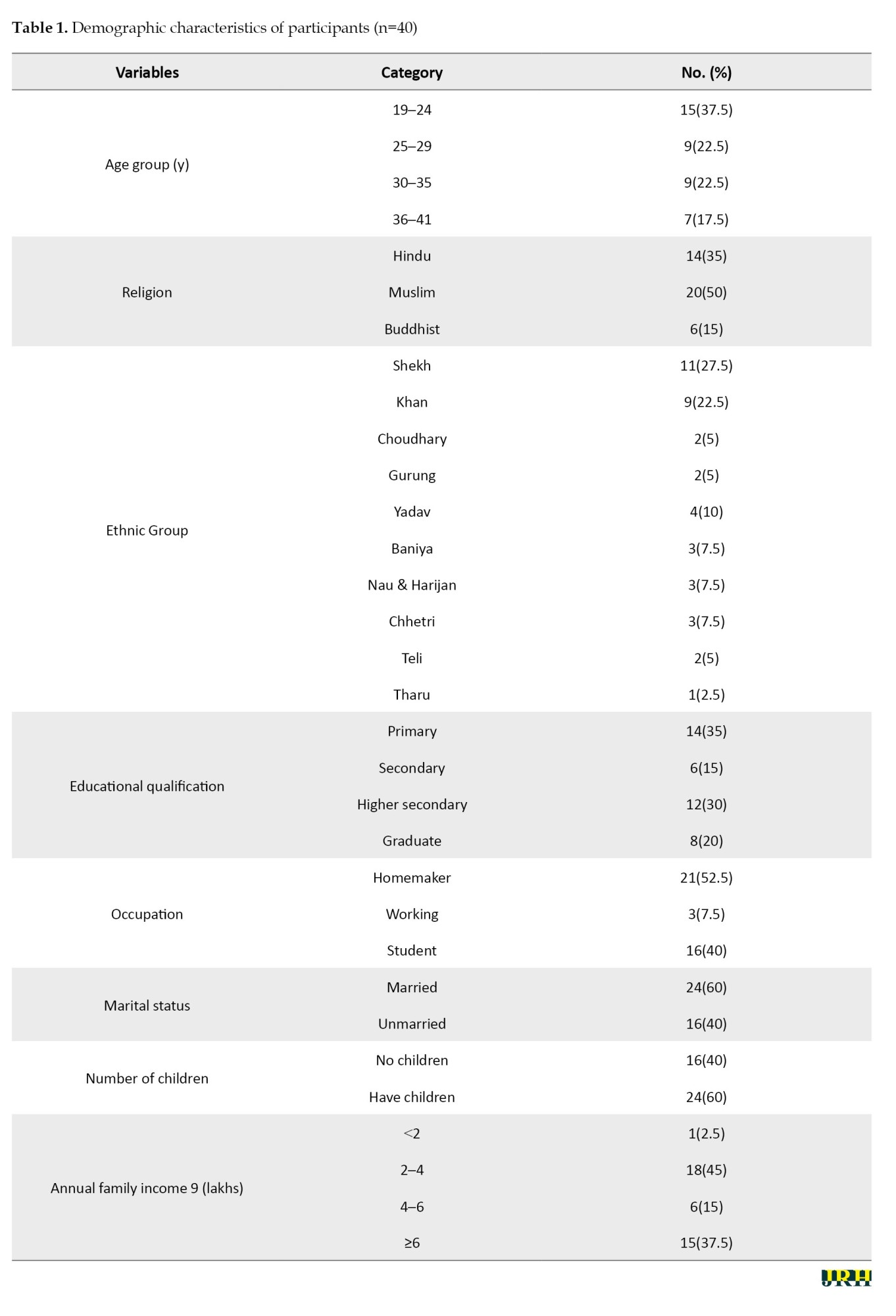
The largest age group was 19–24 years (37.5%), followed by 25–29 years (22.5%) and 30–35 years (22.5%). Participants represented multiple religious backgrounds, with Muslims comprising 50%, Hindus 35%, and Buddhists 15%. Ethnic representation was diverse, with Shekh (27.5%) and Khan (22.5%) forming the largest groups.
Educational attainment varied: 35% had primary education and 30% had higher secondary education. More than half of the participants were homemakers (52.5%), while 40% were students. Most participants were married (60%) and had children (60%). Annual family income was primarily within the 2–4 lakhs range (45%), followed by 6 lakhs and above (37.5%).
Table 2 presents participants’ awareness, perception of mental health, reported mental health issues, and help-seeking factors and barriers.
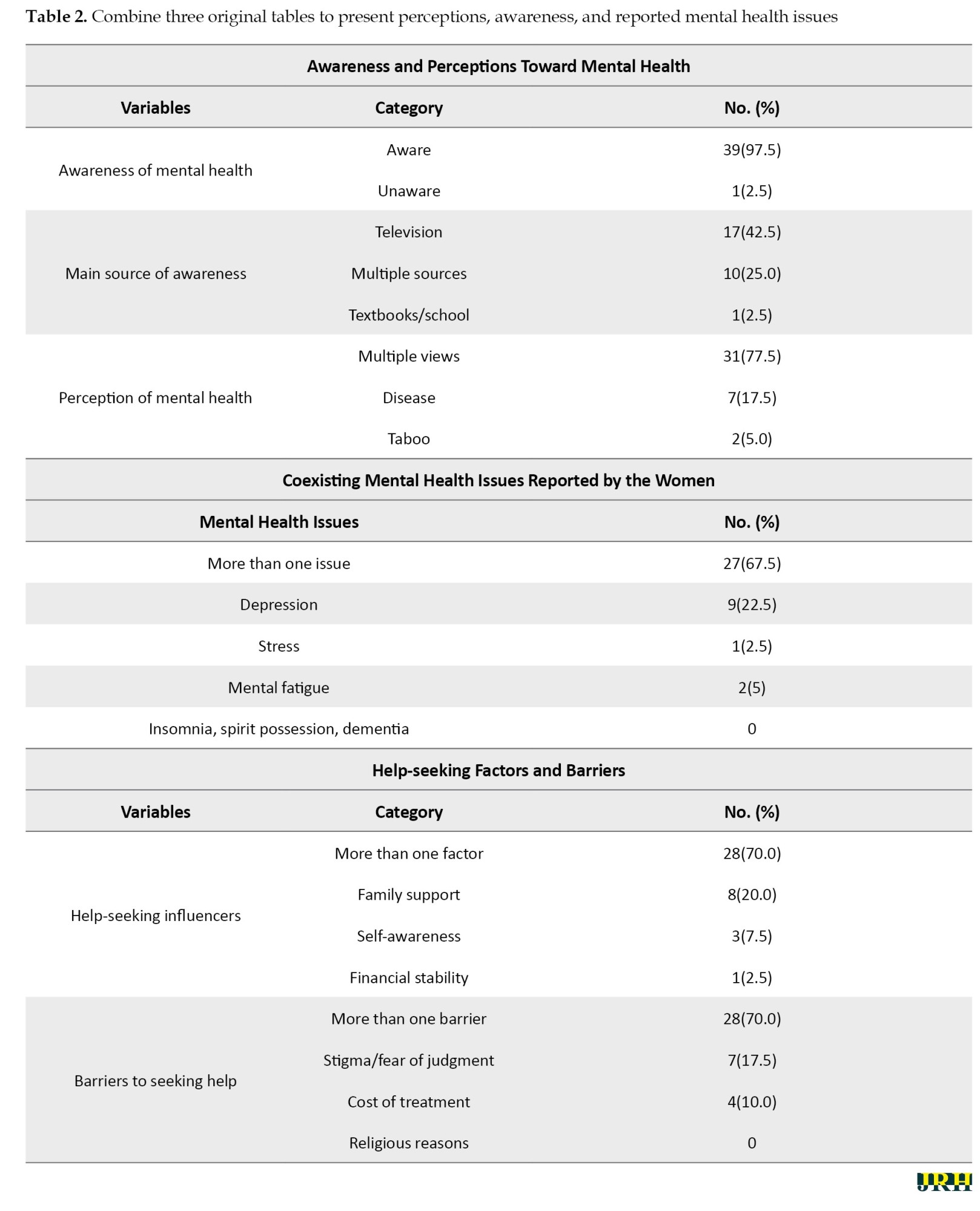
A high proportion of participants (97.5%) reported awareness of mental health. Television was the most frequently reported source of awareness (42.5%), followed by multiple sources (25%). Regarding perceptions, 77.5% expressed multiple views on mental health, while 17.5% identified it as a disease and 5% as a taboo.
With respect to reported mental health issues, 67.5% indicated experiencing more than one issue. Depression was the most commonly reported condition (22.5%), while stress (2.5%) and mental fatigue (5%) were less frequently reported. No participants reported insomnia, spirit possession, or dementia.
Regarding help-seeking influencers, 70% identified more than one influencing factor. Family support (20%) and self-awareness (7.5%) were also reported. Regarding barriers, 70% reported experiencing multiple barriers. Stigma or fear of judgment was reported by 17.5% of participants, and 10% identified the cost of treatment as a barrier. No participants reported religious reasons as a barrier.
Table 3 presents participants’ preferred sources of help for mental health concerns.
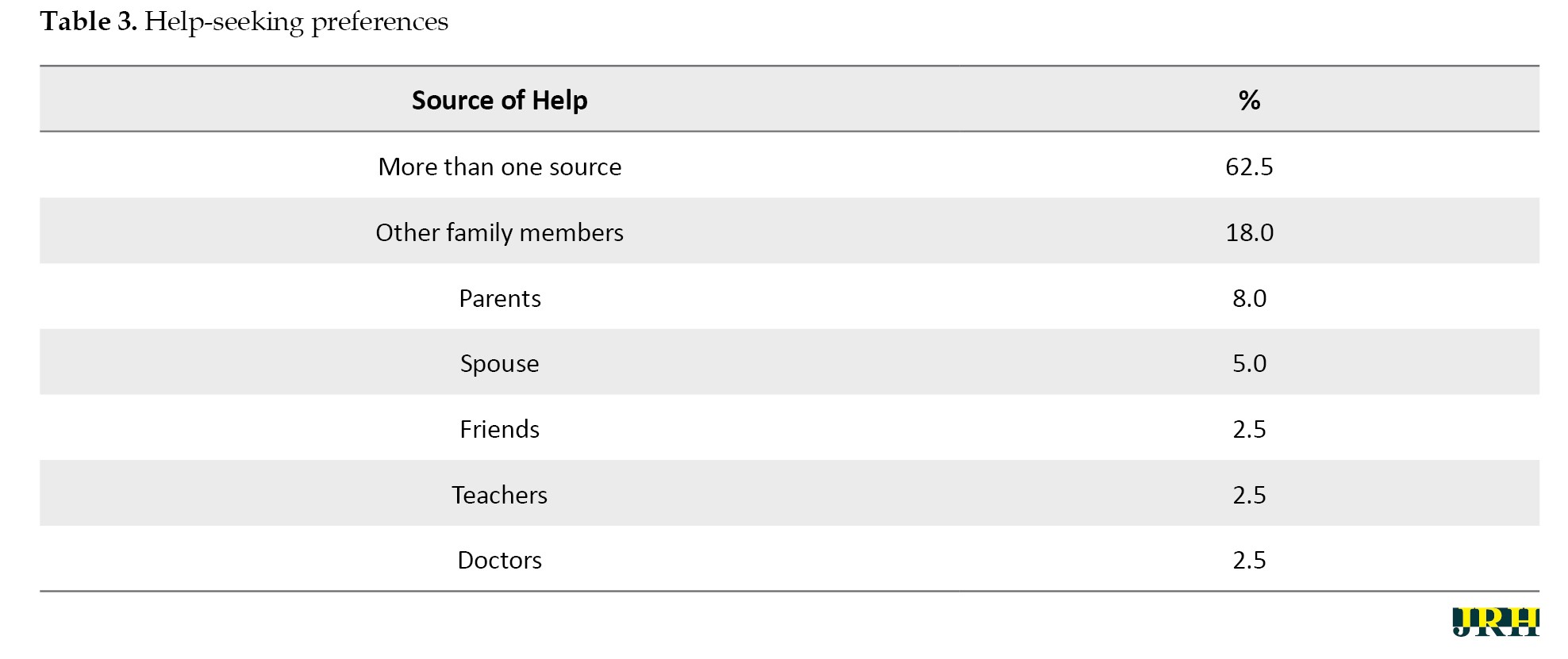
Most participants (62.5%) preferred seeking help from more than one source. Informal support systems were frequently reported, including other family members (18%), parents (8%), and spouses (5%). Formal sources such as teachers (2.5%) and doctors (2.5%) were less frequently reported.
Chi-square tests were conducted to examine associations between age group and selected categorical variables (stigma and willingness to talk), as these variables were measured categorically.
Table 4 summarizes the results of the chi-square analyses.
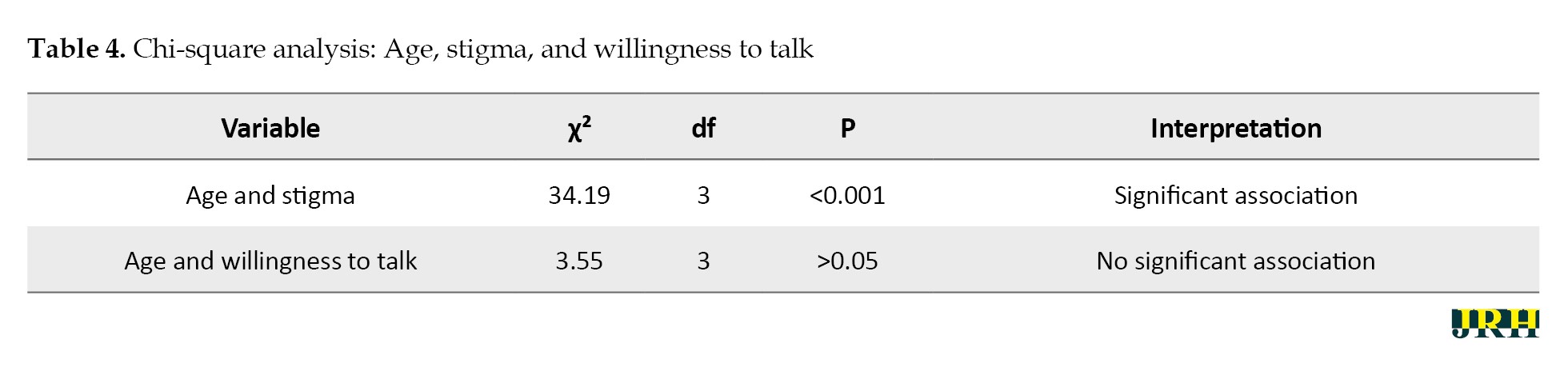
A statistically significant association was found between age and stigma (χ²=34.19, df=3, P<0.001). No statistically significant association was found between age and willingness to discuss mental health (χ²=3.55, df=3, P>0.05).
Discussion
This study examined the association between sociocultural factors, mental health perceptions, stigma, and help-seeking preferences among women in Nepal. The findings indicated high levels of mental health awareness alongside persistent stigma and a strong dependence on informal support systems, highlighting a prominent gap between awareness and help-seeking behavior.
Despite growing universal awareness of mental health issues, 97.5% of the sample remained fragmented on their views of mental illness. This pattern shows that individuals often integrate social and traditional belief systems with biomedical reasons to make sense of psychological distress. Many women associated psychological distress with a disease or solely as a spiritual or supernatural force, indicating that these views are not widely accepted or recognized, leading them to seek help from traditional healers or religious figures before approaching mental health professionals.
These results are consistent with earlier studies in South Asia, which highlight the strong influence of cultural beliefs on perceptions of mental health [11, 12]. However, unlike findings from Nepali contexts that show growing acceptance of counseling and psychiatric services [2], women in rural areas continue to rely primarily on informal and community-based sources of support. This contrast suggests that geographical location, gender roles, and community expectations continue to shape help-seeking behaviors despite increasing awareness.
The high prevalence of reported comorbid mental health concerns, particularly the finding that 67.5% of participants experienced more than one issue, indicates that psychological distress is perceived as multifaceted rather than as discrete clinical conditions. The relatively low reporting of stress and fatigue as standalone concerns may reflect limited diagnostic labeling rather than low prevalence, supporting theories of symptom normalization in collectivist and resource-constrained settings. This finding extends existing literature by demonstrating how distress may be recognized broadly while remaining poorly differentiated at the diagnostic level.
Help-seeking patterns further emphasize the role of sociocultural context. The strong preference for informal sources of support, particularly family members, aligns with collectivist cultural models, where emotional concerns are typically managed within the private or familial domain. Professional help-seeking was rarely normalized, suggesting that mental health remains conceptualized as a personal or family matter rather than a medical issue. Importantly, these findings should be interpreted as associational rather than causal, given the cross-sectional design.
Chi-square analysis revealed a statistically significant association between age and stigma, with younger women reporting higher stigma levels. This association may reflect heightened social surveillance, reputation concerns, or peer-based judgment experienced by younger women. However, no significant association was found between age and willingness to discuss mental health concerns. This distinction suggests that stigma does not necessarily preclude openness to dialogue, supporting emerging evidence that younger populations may simultaneously experience stigma while being more willing to engage in conversations about mental health. This pattern challenges assumptions that stigma suppresses communication.
Overall, the findings highlight an intersection between awareness, stigma, and culturally shaped help-seeking preferences. While awareness appears widespread, it does not automatically translate into reduced stigma or increased use of professional services, reinforcing the importance of context-sensitive mental health strategies.
Implications
The study’s findings have significant implications for Nepal’s mental health policies, awareness campaigns, and intervention strategies, particularly for women. This emphasizes the need for gender-sensitive approaches that ensure accessibility to mental health services in rural areas by incorporating them into primary care. Public education through media, social media, and community-based programs is crucial to increase understanding and reduce stigma. This study emphasizes the importance of financing mental health facilities to improve access to services. Promoting community-based initiatives, such as training local leaders, educators, and social workers to provide basic mental health support, is recommended given the reliance on informal networks and family support. Engaging religious and community leaders in public education programs is essential to address stigma and cultural barriers, normalize discussions, and encourage help-seeking behaviors. This study also lays the groundwork for future research and interventions focused on addressing social, cultural, and financial barriers to women’s mental health treatment. Overall, it highlights the urgent need for systemic changes to enhance mental health accessibility, understanding, and support for Nepali women.
Scope for future research
Future research should investigate the influence of cultural and socioeconomic factors on women’s mental health perceptions and help-seeking behaviors. Expanding the study to include larger, more diverse samples across regions can yield deeper insights into variations in mental health perceptions and help-seeking barriers. These variations may be attributed to factors, such as cultural beliefs, socioeconomic status, and access to services. Additionally, intervention-based studies assessing the effectiveness of awareness programs, community-led mental health initiatives, and policy changes are valuable. Such studies would evaluate the real-world impact of mental health awareness programs and policy reforms on improving MHL and reducing stigma. This comprehensive approach would contribute to a more nuanced understanding of women’s mental health issues and inform targeted interventions and policies.
Conclusion
This study offers quantitative insights into how awareness, stigma, and help-seeking preferences intersect among women in Nepal. Although awareness of mental health was high within the sample, stigma and reliance on informal support networks remained prominent. These findings highlight a gap between recognition of mental health issues and engagement with formal services, suggesting that knowledge alone may be insufficient to alter help-seeking patterns in sociocultural embedded contexts.
The significant association between age and stigma indicates that experiences of social judgment may vary across age groups. In contrast, the absence of a significant association between age and willingness to discuss mental health suggests potential openness to dialogue despite perceived stigma. These findings point to the complex relationship between social norms, perceived barriers, and behavioral intentions.
Given the study’s descriptive, cross-sectional design and relatively small purposive sample, the findings should be interpreted as context-specific and associational rather than causal. Therefore, broader generalizations to all women in Nepal should be made cautiously.
Future research using larger, and more diverse samples, as well as longitudinal or mixed-methods approaches, would clarify how stigma and help-seeking behaviors evolve over time. Expanding research to include male participants and comparative regional samples may also provide a more comprehensive understanding of sociocultural influences on mental health perceptions.
Overall, this study provides empirical evidence for ongoing discussions on mental health awareness and stigma in Nepal, emphasizing the need for culturally informed approaches grounded in observed community patterns rather than generalized assumptions.
Ethical Considerations
Compliance with ethical guidelines
Ethical approval for this study was obtained from the Lumbini Cultural Municipality, Ward No. 10, Lumbini Province, Rupandehi, Nepal (Code: 081/082). All participants were informed about the study’s purpose, the voluntary nature of their participation, and their right to withdraw at any time without penalty. Informed consent was obtained from all participants before data collection. Confidentiality and anonymity were strictly maintained; no personally identifiable information was recorded, and data were securely stored and used solely for research purposes. This study complied with ethical standards concerning respect for persons, beneficence, and confidentiality.
Funding
This research did not receive any grant from funding agencies in the public, commercial, or non-profit sectors.
Authors' contributions
Conceptualization, data collection, Initial draft of the manuscript and ethical permission: Sumaeya Khatoon Siddiqui;
Study design, data analysis, editing and proofreading: Aastha Govind Shirodker and Bharti Pathania; Review and final approval: All authors.
Conflict of interest
The authors declared no conflicts of interest.
Acknowledgments
The author thanks all participants for their willingness to share their experiences. Special appreciation is extended to community leaders who facilitated recruitment and access, and the administrative authorities who permitted the conduct of this study.
Mental health remains a critical yet under-addressed issue globally, particularly in developing nations, such as Nepal. Despite increasing awareness, stigma and sociocultural barriers often hinder individuals from seeking psychological support. In South Asian societies, women face challenges due to gendered expectations, limited autonomy, and reliance on familial networks. Cultural beliefs significantly influence how mental illness is perceived, explained, and managed, thus shaping help-seeking behaviors.
Globally, mental health issues are a major public health concern, accounting for 7.4% of disability-adjusted life years (DALYs) and 22.9% of all years lived with disabilities (YLDs) [1]. In low and middle-income countries (LMICs), an estimated four out of five people with mental illnesses receive inadequate care, with mental health often among the lowest health priorities. A significant obstacle to expanding mental healthcare in LMICs is the unequal distribution of expert mental health specialists. For instance, the average number of psychiatrists per 100,000 people in LMICs is 0.05, compared to 8.59 in high-income countries, according to the World Health Organization (WHO) [2]. LMICs face an estimated shortage of 1.18 million mental health workers [3].
Nepal, with a population of over 30.9 million, faces significant challenges in mental healthcare. There is only one government-owned mental health facility in the nation, approximately 110 psychiatrists (half of whom practice abroad), 12 mental health counseling centers, 15 clinical psychologists, and 400-500 psychosocial workers. Medical universities provide psychiatric services; however, less than 2% of healthcare training is focused on mental health, with most professionals working in urban areas [4]. A total of 30 % of the population, according to estimates, experiences mental health issues, yet over 85% remain untreated (WHO, 2010). The mental health gap action program (MHGAP) of the WHO states that more than 90% of people in need of mental health services do not have access, and violations of human rights against people with mental health problems are often reported [4].
The Nepalese government acknowledges the significance of mental healthcare. It has been formally integrated into the National Health Policy 2019 [2]. This policy emphasizes expanding access to mental health services via primary healthcare, promoting knowledge dissemination, capacity building, and specialized training. Mental health services were also incorporated into Nepal’s essential healthcare package. The current five-year development plan (2023–2027) prioritizes mental health, aiming to improve awareness, reduce stigma, and expand access across all levels of the healthcare system [1].
Despite advancements in Nepal’s mental health policies, major challenges remain. The government allocates only 1% of healthcare spending to mental health, leading to underfunded programs and insufficient resources. There are just 0.22 psychiatrists and 0.06 psychologists per 100,000 individuals, indicating a serious professional shortage. Services are unevenly distributed, with 80% of mental health inpatient beds located in Kathmandu and outpatient facilities mainly in big cities, leaving rural areas underserved. With only one government mental health hospital, rural populations lack expert-led services, even though up to 37.5% experience mental health issues. The problem is worsened by limited training, as only 2% of medical and nursing education focuses on mental health, and most trained professionals remain in urban centers. Although the government has tried to include mental health in primary healthcare, access remains limited, with community mental health programs led by non-governmental organizations (NGOs) and the center for mental health and counseling serving as the main resources in only 17 of 75 districts.
Mental health literacy (MHL) plays a vital role in forming the individual and social responses to mental health challenges. MHL includes the ability to recognize mental disorders, gather important information, recognize risk factors, practice self-care, and seek help from professionals. Developing effective interventions requires an understanding of the connection between MHL and attitudes regarding mental health issues. Research indicates that improved knowledge and attitudes around mental health are typically associated with higher MHL levels. However, this association is not always obvious; some research suggests that higher MHL does not always equate to less stigma or more favorable opinions [5].
Cultural factors greatly shape perceptions of mental health and behaviors related to seeking help. Values that stress community and relationship harmony are frequently connected to greater stigma around mental health and hesitation to seek. Barriers to accessing help include misinterpretation by therapists, feelings of cultural and social isolation, language and economic challenges, distrust, discrimination, and cultural biases of therapists [6]. The perceived need for care is influenced by cultural factors, such as taboos and social networks. However, research on how culture affects individuals’ subjective perceptions of need remains limited.
Culture plays an important role in shaping how individuals express their symptoms and what they choose to report. It influences individual’s initial willingness to seek assistance, the nature of the care they pursue, their coping strategies, and social support associated with mental illness. People’s interpretations of their illnesses are also shaped by culture [7].
In Nepal, women are at higher risk than men of suffering from mental health conditions, such as anxiety and depression [8, 9]. Gaps and disparities persist despite Nepal’s dedication to gender equality and women’s empowerment, in line with the UN’s sustainable development goals, established in 2015 (UN Women). Given the vital role of women’s empowerment for their mental health, estimating the prevalence of mental health symptoms and care-seeking behavior among Nepalese women is necessary, as is examining the relationships between women’s empowerment and psychological wellbeing [10].
Mental illness stigma in Nepal creates substantial barriers to awareness and access to treatment. Cultural ideas and traditional practices occasionally depict mental health disorders as moral failures or spiritual issues rather than medical conditions. This stigma encourages silence, hinders treatment-seeking, and fosters dependence on informal care networks. Many Nepalese link mental health issues to fate, spirits, or ancestral anger, resulting in shame and isolation of those affected. Women, in particular, experience additional stigma due to gender norms that discourage the expression of emotional and psychological pain.
This study aimed to investigate how cultural differences affect women’s perceptions of mental health and their behavior during treatment in the Mahajidya rural area of Rupandehi district in Nepal’s Lumbini Province. Using a quantitative approach, this study seeks to uncover the cultural factors that shape women’s attitudes toward mental health and how they perceive mental health problems.
The importance of this research lies in its potential to inform the development of culturally sensitive, gender-responsive mental health services. By examining how cultural beliefs influence women’s mental health perceptions and help-seeking behaviors, this study aimed to address the unique challenges women face due to family expectations, societal stigma, and limited awareness. Additionally, this study seeks to contribute to reducing stigma by raising awareness and encouraging help-seeking behaviors among women in Nepal.
While research on mental health in Nepal is expanding, significant gaps remain, particularly in understanding women’s specific experiences. Existing studies often generalize results without addressing the gender-specific obstacles that women encounter, such as stigma, social norms, and lack of autonomy in seeking medical care. There is a pressing need for research that provides first-hand insights from women, exploring how cultural beliefs shape their perceptions of mental health and willingness to seek care. Future studies should focus on investigating the associations between women’s empowerment and psychological well-being in Nepal, examining the cultural factors that influence women’s attitudes toward mental health and their help-seeking behaviors, developing and evaluating culturally sensitive and gender-responsive mental health interventions, exploring strategies to lower stigma and increase mental health awareness among women in rural and urban settings, and assessing the effectiveness of incorporating primary healthcare with mental health services.
While research on mental health in Nepal is expanding, there remains a significant gap in understanding women’s specific experiences, particularly the cultural components of their beliefs and actions. Existing studies often generalize results without addressing the gender-specific obstacles that women encounter, such as stigma, social norms, and lack of autonomy in seeking medical care.
Future studies should focus on investigating the association between woman’s empowerment and psychological wellbeing in Nepal, examining the cultural factors that influence woman’s attitudes towards mental health and their help-seeking behaviors, and facilitating the development of culturally sensitive and gender-responsive mental health interventions to lower stigma and increase mental health awareness among women in rural and urban settings.
Review of literature
The most important component of overall wellbeing is mental health; however, its recognition and understanding are deeply rooted in cultural contexts. Globally, mental health issues have become a critical public health concern, with significant impacts on DALYs and YLDs [1]. In nations with LMICs, the challenges are particularly acute, with an estimated four out of five persons with mental illnesses receiving inadequate care. The disparity in mental health specialists further exacerbates this issue, with LMICs having significantly fewer psychiatrists per capita compared to high-income countries [2, 3].
Nepal’s mental health landscape
Nepal, a country with over 30.9 million people, faces significant challenges in providing adequate mental healthcare. The country’s mental health infrastructure is severely limited, with only one government-owned mental health facility and a scarcity of mental health specialists. According to Uprety and Lamichanne [4], there are approximately 110 certified psychiatrists (half of whom are abroad), 12 mental health counseling facilities, 15 clinical psychologists, and 400-500 psychosocial workers. The concentration of these limited resources in urban areas further compounds the problem, leaving rural populations with little or no access to expert-led mental health services.
The scale of mental health challenges in Nepal is substantial. Approximately 30% of the population experiences mental health issues, yet over 85% remain untreated (WHO, 2010). The WHO’s MHGAP reports that more than 90% of individuals in need of mental health services do not have access, and human rights violations against those with psychological problems are frequently reported [4].
Policy and institutional framework
Nepal’s approach to mental health has evolved. While the country’s first National Health Policy of 1991 did not specifically mention mental health, it was formally integrated into the 2019 National Health Policy. This policy shift emphasized the expansion of the availability of mental health services through primary healthcare, the promotion of knowledge dissemination, and the provision of specialized training. The inclusion of mental health services in Nepal’s essential healthcare package marked a significant step towards achieving the goals outlined in the National Mental Health Policy.
The five-year development plan currently in effect (2023–2027) further underscores the government’s commitment to mental health. It aims to safeguard everyone’s right to mental health while expanding access to necessary mental health treatment across all levels of the healthcare delivery system [1]. This policy framework represents a crucial effort to meet the Nepalese population’s mental health requirements.
Challenges in mental health service delivery
Nepal faces significant challenges in delivering effective mental health services despite policy advancements. The government allocates only 1% of healthcare expenditure to mental health, resulting in underfunded programs and inadequate resources. The number of qualified experts is extremely low, with only 0.22 psychiatrists and 0.06 psychologists per 100,000 people. Mental health services are unevenly distributed, with 80% of inpatient beds located in Kathmandu and outpatient facilities concentrated in large cities, making care expensive and inaccessible for rural communities. Studies estimate that up to 37.5% of individuals living in rural regions experience mental health issues; however, few receive proper care. Medical and nursing education covers only 2% of mental health content, despite the rising prevalence of conditions, such as depression and anxiety. There is limited mental health integration into primary care, with community mental health programs led by NGOs and the center for mental health and counseling serving as the primary sources of care in only 17 out of 75 districts [4]. Luitel et al. [2] noted the absence of defined referral procedures between general and secondary care, as well as a lack of standard instructional manuals, screening tools, and guidelines for training primary healthcare personnel to detect and diagnose mental health problems.
Cultural context and mental health perceptions
Culture plays a profound role in shaping perceptions of mental health and help-seeking behaviors. MHL, which includes the capacity to identify risk factors, learn about mental illnesses, self-treat, and obtain professional assistance, is heavily influenced by cultural norms and beliefs. Research indicates that adherence to specific cultural values, particularly those emphasizing community and relationship harmony, is associated with higher levels of mental health stigma and reluctance to seek treatment [5].
Cultural obstacles to seeking help can manifest in various ways, including misinterpretation by therapists, perceptions of cultural and social isolation within the host culture, linguistic and economic difficulties, distrust, discrimination, and therapist cultural biases [6]. In Nepal, cultural beliefs often link mental health issues to fate, spirits, or ancestral anger, resulting in shame and isolation of those affected.
Women’s mental health in Nepal
Women in Nepal face disproportionate mental health challenges. Studies show that Nepalese women suffer more than men from mental health conditions, such as anxiety and depression, which are highly prevalent among them [8, 9]. Significant disparities and inequalities still exist in Nepal despite the country’s dedication to gender equality and women’s empowerment, which complies with the UN’s Sustainable Development Goals (UN Women).
The intersection of gender norms, cultural beliefs, and mental health creates unique barriers for women seeking care. Women experience additional stigma due to gender norms that discourage the expression of emotional and psychological pain. This stigma, combined with limited autonomy and reliance on familial or communal networks, often prevents women from accessing necessary mental health services.
Methods
A descriptive, cross-sectional design was used to examine the patterns and associations among variables related to mental health. This approach enabled the systematic analysis of statistical trends within the sample.
The study included 40 female participants selected through purposive sampling. The inclusion criteria required participants to be adult women residing in Nepal and willing to discuss their perceptions and experiences related to mental health. The sampling strategy aimed to capture variations across different demographic backgrounds.
A structured questionnaire was used for data collection. The instrument was designed to gather demographic information and explore multiple dimensions of mental health. It included items measuring awareness of mental health concerns, perceptions of mental illness, personal experiences, and attitudes towards help-seeking.
Quantitative data were analyzed using descriptive statistics, including frequency distribution, to summarize response patterns. Chi-square tests were conducted to examine the association between demographic variables and selected mental health responses.
The study complied with ethical standards by obtaining permission from Lumbini Cultural Municipality – Ward No. 10, Lumbini Province, Rupandehi, Nepal (Reference No: 081/082) before data collection. Participants were informed of the study’s purpose and objectives, the voluntary nature of participation, and their right to withdraw at any time without consequences. Informed consent was obtained from all participants before participation.
Given the sensitivity of the mental health topic and the participation of women within a culturally conservative setting, particular care was taken to ensure privacy and comfort during data collection. Participants were assured that they could decline to answer any questions they found uncomfortable. To ensure confidentiality, personal details were removed, and all data were stored and used exclusively for research. These steps were taken to safeguard the participants’ identity and data.
Results
Table 1 presents the participants’ demographic distribution.
The largest age group was 19–24 years (37.5%), followed by 25–29 years (22.5%) and 30–35 years (22.5%). Participants represented multiple religious backgrounds, with Muslims comprising 50%, Hindus 35%, and Buddhists 15%. Ethnic representation was diverse, with Shekh (27.5%) and Khan (22.5%) forming the largest groups.
Educational attainment varied: 35% had primary education and 30% had higher secondary education. More than half of the participants were homemakers (52.5%), while 40% were students. Most participants were married (60%) and had children (60%). Annual family income was primarily within the 2–4 lakhs range (45%), followed by 6 lakhs and above (37.5%).
Table 2 presents participants’ awareness, perception of mental health, reported mental health issues, and help-seeking factors and barriers.
A high proportion of participants (97.5%) reported awareness of mental health. Television was the most frequently reported source of awareness (42.5%), followed by multiple sources (25%). Regarding perceptions, 77.5% expressed multiple views on mental health, while 17.5% identified it as a disease and 5% as a taboo.
With respect to reported mental health issues, 67.5% indicated experiencing more than one issue. Depression was the most commonly reported condition (22.5%), while stress (2.5%) and mental fatigue (5%) were less frequently reported. No participants reported insomnia, spirit possession, or dementia.
Regarding help-seeking influencers, 70% identified more than one influencing factor. Family support (20%) and self-awareness (7.5%) were also reported. Regarding barriers, 70% reported experiencing multiple barriers. Stigma or fear of judgment was reported by 17.5% of participants, and 10% identified the cost of treatment as a barrier. No participants reported religious reasons as a barrier.
Table 3 presents participants’ preferred sources of help for mental health concerns.
Most participants (62.5%) preferred seeking help from more than one source. Informal support systems were frequently reported, including other family members (18%), parents (8%), and spouses (5%). Formal sources such as teachers (2.5%) and doctors (2.5%) were less frequently reported.
Chi-square tests were conducted to examine associations between age group and selected categorical variables (stigma and willingness to talk), as these variables were measured categorically.
Table 4 summarizes the results of the chi-square analyses.
A statistically significant association was found between age and stigma (χ²=34.19, df=3, P<0.001). No statistically significant association was found between age and willingness to discuss mental health (χ²=3.55, df=3, P>0.05).
Discussion
This study examined the association between sociocultural factors, mental health perceptions, stigma, and help-seeking preferences among women in Nepal. The findings indicated high levels of mental health awareness alongside persistent stigma and a strong dependence on informal support systems, highlighting a prominent gap between awareness and help-seeking behavior.
Despite growing universal awareness of mental health issues, 97.5% of the sample remained fragmented on their views of mental illness. This pattern shows that individuals often integrate social and traditional belief systems with biomedical reasons to make sense of psychological distress. Many women associated psychological distress with a disease or solely as a spiritual or supernatural force, indicating that these views are not widely accepted or recognized, leading them to seek help from traditional healers or religious figures before approaching mental health professionals.
These results are consistent with earlier studies in South Asia, which highlight the strong influence of cultural beliefs on perceptions of mental health [11, 12]. However, unlike findings from Nepali contexts that show growing acceptance of counseling and psychiatric services [2], women in rural areas continue to rely primarily on informal and community-based sources of support. This contrast suggests that geographical location, gender roles, and community expectations continue to shape help-seeking behaviors despite increasing awareness.
The high prevalence of reported comorbid mental health concerns, particularly the finding that 67.5% of participants experienced more than one issue, indicates that psychological distress is perceived as multifaceted rather than as discrete clinical conditions. The relatively low reporting of stress and fatigue as standalone concerns may reflect limited diagnostic labeling rather than low prevalence, supporting theories of symptom normalization in collectivist and resource-constrained settings. This finding extends existing literature by demonstrating how distress may be recognized broadly while remaining poorly differentiated at the diagnostic level.
Help-seeking patterns further emphasize the role of sociocultural context. The strong preference for informal sources of support, particularly family members, aligns with collectivist cultural models, where emotional concerns are typically managed within the private or familial domain. Professional help-seeking was rarely normalized, suggesting that mental health remains conceptualized as a personal or family matter rather than a medical issue. Importantly, these findings should be interpreted as associational rather than causal, given the cross-sectional design.
Chi-square analysis revealed a statistically significant association between age and stigma, with younger women reporting higher stigma levels. This association may reflect heightened social surveillance, reputation concerns, or peer-based judgment experienced by younger women. However, no significant association was found between age and willingness to discuss mental health concerns. This distinction suggests that stigma does not necessarily preclude openness to dialogue, supporting emerging evidence that younger populations may simultaneously experience stigma while being more willing to engage in conversations about mental health. This pattern challenges assumptions that stigma suppresses communication.
Overall, the findings highlight an intersection between awareness, stigma, and culturally shaped help-seeking preferences. While awareness appears widespread, it does not automatically translate into reduced stigma or increased use of professional services, reinforcing the importance of context-sensitive mental health strategies.
Implications
The study’s findings have significant implications for Nepal’s mental health policies, awareness campaigns, and intervention strategies, particularly for women. This emphasizes the need for gender-sensitive approaches that ensure accessibility to mental health services in rural areas by incorporating them into primary care. Public education through media, social media, and community-based programs is crucial to increase understanding and reduce stigma. This study emphasizes the importance of financing mental health facilities to improve access to services. Promoting community-based initiatives, such as training local leaders, educators, and social workers to provide basic mental health support, is recommended given the reliance on informal networks and family support. Engaging religious and community leaders in public education programs is essential to address stigma and cultural barriers, normalize discussions, and encourage help-seeking behaviors. This study also lays the groundwork for future research and interventions focused on addressing social, cultural, and financial barriers to women’s mental health treatment. Overall, it highlights the urgent need for systemic changes to enhance mental health accessibility, understanding, and support for Nepali women.
Scope for future research
Future research should investigate the influence of cultural and socioeconomic factors on women’s mental health perceptions and help-seeking behaviors. Expanding the study to include larger, more diverse samples across regions can yield deeper insights into variations in mental health perceptions and help-seeking barriers. These variations may be attributed to factors, such as cultural beliefs, socioeconomic status, and access to services. Additionally, intervention-based studies assessing the effectiveness of awareness programs, community-led mental health initiatives, and policy changes are valuable. Such studies would evaluate the real-world impact of mental health awareness programs and policy reforms on improving MHL and reducing stigma. This comprehensive approach would contribute to a more nuanced understanding of women’s mental health issues and inform targeted interventions and policies.
Conclusion
This study offers quantitative insights into how awareness, stigma, and help-seeking preferences intersect among women in Nepal. Although awareness of mental health was high within the sample, stigma and reliance on informal support networks remained prominent. These findings highlight a gap between recognition of mental health issues and engagement with formal services, suggesting that knowledge alone may be insufficient to alter help-seeking patterns in sociocultural embedded contexts.
The significant association between age and stigma indicates that experiences of social judgment may vary across age groups. In contrast, the absence of a significant association between age and willingness to discuss mental health suggests potential openness to dialogue despite perceived stigma. These findings point to the complex relationship between social norms, perceived barriers, and behavioral intentions.
Given the study’s descriptive, cross-sectional design and relatively small purposive sample, the findings should be interpreted as context-specific and associational rather than causal. Therefore, broader generalizations to all women in Nepal should be made cautiously.
Future research using larger, and more diverse samples, as well as longitudinal or mixed-methods approaches, would clarify how stigma and help-seeking behaviors evolve over time. Expanding research to include male participants and comparative regional samples may also provide a more comprehensive understanding of sociocultural influences on mental health perceptions.
Overall, this study provides empirical evidence for ongoing discussions on mental health awareness and stigma in Nepal, emphasizing the need for culturally informed approaches grounded in observed community patterns rather than generalized assumptions.
Ethical Considerations
Compliance with ethical guidelines
Ethical approval for this study was obtained from the Lumbini Cultural Municipality, Ward No. 10, Lumbini Province, Rupandehi, Nepal (Code: 081/082). All participants were informed about the study’s purpose, the voluntary nature of their participation, and their right to withdraw at any time without penalty. Informed consent was obtained from all participants before data collection. Confidentiality and anonymity were strictly maintained; no personally identifiable information was recorded, and data were securely stored and used solely for research purposes. This study complied with ethical standards concerning respect for persons, beneficence, and confidentiality.
Funding
This research did not receive any grant from funding agencies in the public, commercial, or non-profit sectors.
Authors' contributions
Conceptualization, data collection, Initial draft of the manuscript and ethical permission: Sumaeya Khatoon Siddiqui;
Study design, data analysis, editing and proofreading: Aastha Govind Shirodker and Bharti Pathania; Review and final approval: All authors.
Conflict of interest
The authors declared no conflicts of interest.
Acknowledgments
The author thanks all participants for their willingness to share their experiences. Special appreciation is extended to community leaders who facilitated recruitment and access, and the administrative authorities who permitted the conduct of this study.
References
- Whiteford HA, Degenhardt L, Rehm J, Baxter AJ, Ferrari AJ, Erskine HE, et al. Global burden of disease attributable to mental and substance use disorders: Findings from the Global Burden of Disease Study 2010. Lancet. 2013; 382(9904):1575-86. [DOI:10.1016/S0140-6736(13)61611-6] [PMID]
- Luitel NP, Jordans MJ, Adhikari A, Upadhaya N, Hanlon C, Lund C, et al. Mental health care in Nepal: Current situation and challenges for development of a district mental health care plan. Conflict and Health. 2015; 9:3. [DOI:10.1186/s13031-014-0030-5] [PMID] [PMCID]
- Kakuma R, Minas H, van Ginneken N, Dal Poz MR, Desiraju K, Morris JE, et al. Human resources for mental health care: Current situation and strategies for action. Lancet. 2011; 378(9803):1654-63. [DOI:10.1016/S0140-6736(11)61093-3] [PMID]
- Sudeep Uprety, Bipul Lamichanne. Mental health in Nepal: Backgrounder. 2016. [Link]
- Poudel DB, Sharif LS, Acharya S, Mahsoon A, Sharif K, Wright R. Mental health literacy and attitudes towards mental health problems among college students, Nepal. Behavioral Sciences. 2024; 14(12):1189. [DOI:10.3390/bs14121189] [PMID] [PMCID]
- Saint Arnault D, Woo S. Testing the influence of cultural determinants on help-seeking theory. American Journal of Orthopsychiatry. 2018; 88(6):650-60. [DOI:10.1037/ort0000353] [PMID] [PMCID]
- Ahad AA, Sanchez-Gonzalez M, Junquera P. Understanding and addressing mental health stigma across cultures for improving psychiatric care: A narrative review. Cureus. 2023; 15(5):e39549. [DOI:10.7759/cureus.39549] [PMID] [PMCID]
- Rai Y, Gurung D, Gautam K. Insight and challenges: mental health services in Nepal. BJPsych international. 2021; 18(2):E5. [DOI:10.1192/bji.2020.58] [PMID] [PMCID]
- Public Health Update. National health policy - 2019. 2020. [Link]
- Shawon MSR, Hossain FB, Hasan M, Rahman MR. Gender differences in the prevalence of anxiety and depression and care seeking for mental health problems in Nepal: Analysis of nationally representative survey data. Global Mental Health. 2024; 11:e46. [DOI:10.1017/gmh.2024.37] [PMID] [PMCID]
- Kohrt BA, Harper I. Navigating diagnoses: Understanding mind-body relations, mental health, and stigma in Nepal. Culture, Medicine, and Psychiatry. 2008; 32(4):462-91. [DOI:10.1007/s11013-008-9110-6] [PMID] [PMCID]
- Subba P, Petersen Williams P, Luitel NP, Jordans MJD, Breuer E. A qualitative study on the adaptation of community programmes for the promotion of early detection and health-seeking of perinatal depression in Nepal. BMC Women's health. 2024; 24(1):273. [DOI:10.1186/s12905-024-03122-y] [PMID] [PMCID]
Type of Study: Orginal Article |
Subject:
● Psychosocial Health
Received: 2025/12/4 | Accepted: 2026/02/25 | Published: 2026/07/1
Received: 2025/12/4 | Accepted: 2026/02/25 | Published: 2026/07/1
| Rights and permissions | |
 |
This work is licensed under a Creative Commons Attribution-NonCommercial 4.0 International License. |


This is an open access article distributed under the terms of the Creative Commons Attribution License (CC-By-NC), which permits use, distribution, and reproduction in any medium, provided the original work is properly cited and is not used for commercial purposes.
Contact Information
