

Volume 16, Issue 5 (Sep & Oct 2026)
J Research Health 2026, 16(5): 507-518 |
Back to browse issues page



Ethics code: IR.GUMS.REC.1400.443


Download citation:
BibTeX | RIS | EndNote | Medlars | ProCite | Reference Manager | RefWorks
Send citation to:


BibTeX | RIS | EndNote | Medlars | ProCite | Reference Manager | RefWorks
Send citation to:
Nikpey N, Bakhshi F, Heidarzadeh A, Shakiba M, Rahbar A. COVID-19 Vaccine for Children Aged 3-18 Years: Parents’ Intention to Vaccinate Using the BASNEF Model. J Research Health 2026; 16 (5) :507-518
URL: http://jrh.gmu.ac.ir/article-1-2782-en.html
URL: http://jrh.gmu.ac.ir/article-1-2782-en.html


1- Health and Environment Research Center, Guilan University of Medical Sciences, Rasht, Iran.
2- Department of Health Education and Promotion, Health and Environment Research Center, School of Health, Guilan University of Medical Sciences, Rasht, Iran. ,Fa.bakhshi88@gmail.com
3- Department of Community Medicine, Medical Education Research Center, School of Medicine, Guilan University of Medical Sciences, Rasht, Iran.
4- Department of Epidemiology and Biostatistics, Cardiovascular Diseases Research Center, School of Health, Guilan University of Medical Sciences, Rasht, Iran.
5- Health Education and Health Promotion Unit, Guilan University of Medical Sciences, Rasht, Iran.
2- Department of Health Education and Promotion, Health and Environment Research Center, School of Health, Guilan University of Medical Sciences, Rasht, Iran. ,
3- Department of Community Medicine, Medical Education Research Center, School of Medicine, Guilan University of Medical Sciences, Rasht, Iran.
4- Department of Epidemiology and Biostatistics, Cardiovascular Diseases Research Center, School of Health, Guilan University of Medical Sciences, Rasht, Iran.
5- Health Education and Health Promotion Unit, Guilan University of Medical Sciences, Rasht, Iran.
Full-Text [PDF 658 kb]
(30 Downloads)
| Abstract (HTML) (577 Views)
Full-Text: (23 Views)
Introduction
Coronavirus disease (COVID-19), a severe acute respiratory syndrome, first emerged in China in late 2019 and rapidly spread worldwide [1]. By October 29, 2021, the pandemic had resulted in approximately 4.99 million deaths and over 246 million infections globally. According to the MPIDR COVerAGE database, among the 4.4 million reported COVID-19 deaths, approximately 0.4% (over 17400 cases) occurred in individuals under 20 years of age. Of these deaths, 53% were among adolescents aged 10–19 years, while the remaining 47% occurred in children aged 0–9 years [2]. In Iran alone, the reported cases and deaths reached 5624128 and 121109, respectively, by October 11, 2021 [3]. Beyond its direct impact on physical health, COVID-19 has profoundly affected mental, social, and economic well-being, disrupting daily life and global stability [4]. In response, governments have implemented various control measures, including social distancing, quarantine, travel restrictions, public education, screening, and vaccine development [5].
The clinical presentation of COVID-19 in children can range from asymptomatic infection to mild, moderate, severe, and critical illness [6]. Clinical reports have described common symptoms in pediatric cases such as cough, pharyngeal erythema, fever, tachypnea, diarrhea, rhinorrhea, fatigue, and vomiting, as well as cases with no symptoms of upper respiratory tract infection or pneumonia [7]. Fever and mild cough are among the most frequent symptoms at disease onset. In mild cases, fever tends to be short-lived and resolves quickly. Some patients, with or without cough, have shown radiographic evidence of lung involvement early in symptom onset [8].
Several studies have indicated that some COVID-19 transmission occurred within household settings, highlighting the potential risk of transmission from an infected child to adult contacts, which should not be overlooked [9].
In a study investigating COVID-19–related deaths among individuals aged 8-19 years, it was found that the majority of cases involved at least one underlying medical condition. The most commonly reported comorbidities included obesity, asthma, and developmental disorders. Among hospitalized patients, acute respiratory and renal failures were frequently observed complications preceding death [10].
Vaccination is a critical strategy in mitigating COVID-19 morbidity and mortality, complementing other preventive measures such as hand hygiene and mask-wearing [11]. However, immunization programs depend on public acceptance and widespread coverage [12]. Studies have shown that COVID-19 vaccine acceptance rates vary globally, often falling below 70%, particularly in regions such as the Middle East, Russia, Africa, and parts of Europe [13]. In Iran, Salimi et al. reported that vaccine acceptance was highest (35.40%) among individuals over 50 years old and lowest (15.58%) among young adults aged 18–29 [14].
Vaccine uptake among children is crucial for achieving herd immunity and controlling the spread of infection within communities [15]. However, parental decision-making plays a decisive role in child vaccination rates, and research indicates that only 56.8% of parents worldwide intended to vaccinate their children against COVID-19 [16]. Several factors contribute to vaccine hesitancy, including concerns about safety and efficacy [17], misinformation on social media, low confidence in rapid vaccine development, and concerns over side effects [11]. Addressing these concerns requires targeted health education strategies to improve vaccine perception and acceptance.
Health education plays a fundamental role in shaping public attitudes and behaviors regarding vaccination. Applying structured health education models can enhance the effectiveness of public health interventions [18]. One such model is the BASNEF model, developed by John Hubley in 1988 [19]. The model beliefs, attitudes, subjective norms, and enabling factors (BASNEF) is a comprehensive behavioral framework that explains and predicts health-related behaviors by integrating components of the Health Belief Model and the Theory of Reasoned Action. It is particularly well-suited for studies involving decision-making in health behaviors, such as vaccination, where individual cognition and social influences play significant roles [20, 21]. Previous studies have demonstrated the effectiveness of BASNEF-based interventions in improving health-related behaviors, including adherence to COVID-19 preventive measures [22].
In the context of pediatric COVID-19 vaccination, parental intention is shaped not only by personal beliefs and attitudes about vaccine safety and efficacy, but also by social pressures, cultural norms, and logistical or structural enablers (e.g. access to healthcare services). The BASNEF model captures this multifaceted process by examining knowledge: What parents know about the COVID-19 vaccine, including its risks and benefits for children. Attitudes: Personal evaluations of the vaccine, such as whether it is perceived as necessary or harmful. Subjective norms: The perceived expectations of significant others (e.g. family members, health professionals) that influence parental behavior. Enabling factors: Practical or environmental factors that facilitate or hinder vaccine uptake (e.g. access to healthcare, vaccine availability, and affordability). Behavioral intention: The motivational factors that indicate how hard parents are willing to try or how much effort they plan to exert to vaccinate their children. By applying the BASNEF model, this study will holistically assess the cognitive, social, and structural determinants influencing parental decisions regarding COVID-19 vaccination for children aged 3–18 years. Unlike simpler behavioral models, BASNEF allows inclusion of enabling factors, which are crucial in pandemic conditions where access, availability, and policy interventions can significantly impact behavior.
Furthermore, this model enables researchers to identify specific, actionable targets for public health interventions, such as addressing misinformation, leveraging social influence, and removing practical barriers that could enhance parental intention to vaccinate and ultimately improve vaccine coverage among children.
Given the urgency of increasing vaccine uptake during the COVID-19 pandemic, particularly among pediatric populations, the BASNEF model provides a robust theoretical foundation for analyzing the determinants of parental vaccine behavior and informing effective, evidence-based intervention strategies.
Given the importance of COVID-19 vaccination for children and the limited research on parental decision-making in this regard, this study aimed to assess parents’ intentions regarding COVID-19 vaccination for children aged 3–18 years in Guilan Province, Iran, using the BASNEF model.
Methods
Participants and recruitment procedure
This cross-sectional analytical study was conducted in 2021 among 688 parents of children aged 3–18 years residing in Guilan Province, Iran. The required sample size was calculated as 658 based on a previous study on factors influencing COVID-19 vaccine acceptance [23]. The calculation considered a 15% unwillingness rate for vaccination, a 0.04 margin of error, a 0.05 type I error, a design effect of 1.5, and a 30% anticipated nonresponse rate.
Participants were selected through a multistage cluster sampling method. First, 16 cities in Guilan Province were categorized into five geographical clusters. Then, several counties (Rasht=356, Bandar Anzali=47, Rudsar=61, Lahijan=57, Siahkal=18, Rudbar=44, Fuman=35, Masal=30, and Rezvanshahr=39) were randomly selected based on the number of cities within each cluster. The allocated sample size for each county was determined proportionally to its population and selected using simple random sampling from the list recorded in the integrated health system.
A formal introduction letter was obtained from the Vice-Chancellors for Research and Technology and Health at Guilan University of Medical Sciences. Subsequently, coordination was established with the heads of comprehensive health service centers. Parents were contacted via the phone numbers registered in the system. They were informed about the study’s objectives, assured of data confidentiality, and provided verbal informed consent. A trained co-author familiar with the study objectives administered the questionnaire, read the questions aloud, and recorded responses. The research team addressed any participant questions or concerns. A total of 779 eligible households were contacted, and 688 completed questionnaires were collected, yielding a response rate of 93.48%.
Inclusion and exclusion criteria
The inclusion criteria included families with an active record in the Integrated Health System, at least one child aged 3–18 years, and no COVID-19 vaccination at the time of data collection. Participants provided informed consent to participate.
The exclusion criteria included families that did not respond to the study invitations, provided incomplete responses that could not be analyzed, or had children under six years old who were not attending kindergarten. Furthermore, individuals who declined to participate or failed to provide informed consent were excluded from the study analysis.
Measures
The data collection instrument was a researcher-developed questionnaire, designed based on the study by Kumari et al. [24], which informed the development of several items related to the dimensions of knowledge, attitude, and subjective norms, as well as a review of the literature and the expertise of the research team. The researchers assessed questionnaire’s validity and reliability. It consisted of two main sections: The first section, Demographic Information, included 16 items assessing parental and child characteristics, such as parental and child age, child’s gender and educational level, type of school, number of children, vaccination status (vaccinated vs. unvaccinated children), parental education, parents’ vaccination status, decision-maker for child vaccination, living arrangements with parents, and the respondent to the questionnaire. The second section, Knowledge and BASNEF Model Constructs, included 29 items measuring knowledge and the BASNEF model domains. Knowledge was assessed with three items, with response options: “Correct,” “incorrect,” and “I do not know.” Attitudes were evaluated using 11 items rated on a five-point Likert scale (1=strongly disagree to 5=strongly agree). Subjective Norms consisted of six items rated on the same five-point Likert scale. Enabling Factors included four items, also rated on a five-point Likert scale. Behavioral Intention was measured using five items rated similarly. For knowledge scoring, responses were assigned values of 2 (correct), 1 (I do not know), and 0 (incorrect). Higher scores on this construct indicate greater awareness.
For the other constructs, responses were scored from 1 (completely disagree) to 5 (completely agree). Notably, 10 attitude items and 4 enabling factor items were negatively worded, requiring reverse scoring (i.e. completely agree=1 and completely disagree=5).
Higher scores in the attitude construct indicate a better and more appropriate attitude towards vaccination, while higher scores in the subjective norms construct indicate norms that encourage vaccination. Additionally, higher scores in the behavioral intention construct indicate a stronger and more appropriate intention to vaccinate.
Validity and reliability
A panel of 11 university faculty members assessed the questionnaire’s content validity, including an epidemiologist, a health policy expert, a specialist in social determinants of health, and eight experts in health education and promotion. The content validity ratio (CVR) and content validity index (CVI) were calculated for each domain as follows: Knowledge, CVR=0.63 and CVI=0.91; attitudes, CVR=0.63–1.00 and CVI=0.89; subjective norms, CVR=0.63–0.81 and CVI=0.90; enabling Factors, CVR=0.49–0.63 and CVI=0.90; and behavioral intention, CVR=0.49–0.63 and CVI=0.80. Face validity was evaluated concerning clarity, grammar, and necessary revisions. Reliability was assessed by administering the questionnaire to 30 eligible parents, yielding the following Cronbach’s α coefficients: For knowledge, 0.72; for attitudes, 0.88; for subjective norms, 0.92; for enabling factors, 0.79; and for behavioral intention, 0.94.
Data analysis
Data were analyzed using SPSS software, version 21. Descriptive statistics, including frequencies, percentages, Mean±SD, were reported. To assess relationships between parental intention to vaccinate their children and background variables, appropriate statistical tests were applied based on data distribution and variable type. Independent t-tests and analysis of variance (ANOVA) were used for normally distributed variables. If ANOVA results were significant, Tukey’s post hoc test identified the source of variation. Mann–Whitney and Kruskal–Wallis tests were used for non-normally distributed variables. Pearson’s correlation coefficient examined relationships between quantitative variables. Multivariate linear regression (forward stepwise method) determined the predictive power of each construct and knowledge regarding parental vaccination intention. A P<0.05 was considered statistically significant for all analyses.
Results
This study included parents of children aged 3–18 years residing in Guilan Province. The mean ages of the children, mothers, and fathers were 11.6±3.7, 38.8±6.2, and 41.4±10.2 years, respectively. Of the 688 children and adolescents, 309(45%) were between 8 and 13 years old, the age group with the highest proportion (48.1%) of unvaccinated children. Among participants, 390(56.7%) were girls, and 95.2% lived with both parents. A total of 82.1% of children were enrolled in public schools, and 87.3% were students in grades 1 through 12. Notably, two fathers (0.3%) and ten mothers (1.45%) were divorced, while ten fathers (1.45%) were deceased.
The study findings indicated that 418 parents (60.8%) had received the COVID-19 vaccine. Moreover, in most families (76.9%), both parents were jointly responsible for deciding on their child’s COVID-19 vaccination.
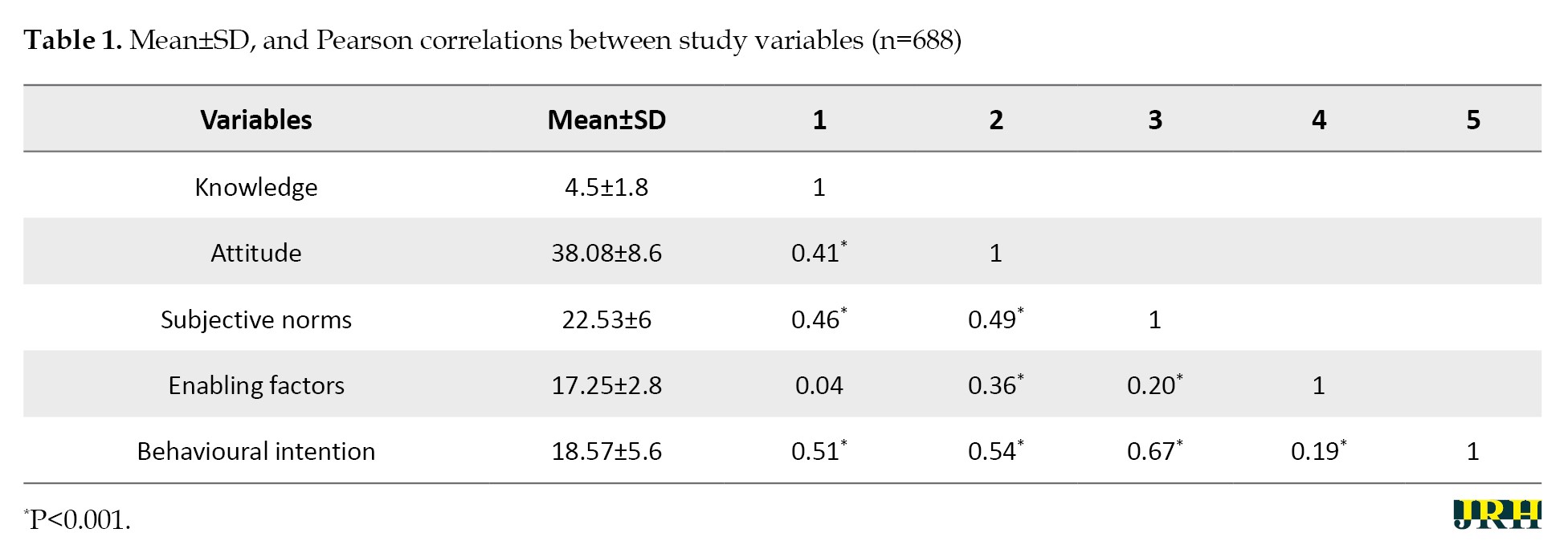
As shown in Table 1, among the BASNEF model constructs, enabling factors received the highest mean score (82%), whereas attitudes received the lowest (61%).
The results further demonstrated that 382 parents (55.5%) intended to vaccinate their children, as they responded “agree” or “completely agree” to all behavioral intention items. Conversely, 91 parents (13.2%) did not intend to vaccinate their children, selecting “disagree” or “completely disagree” for all behavioral intention items, while 30 parents (4.3%) had a neutral stance (“no opinion” on all behavioral intention items). Additionally, 313 parents (45.4%) correctly answered all three knowledge-related questions.
According to Pearson’s correlation coefficient test, parental intention and knowledge were positively and significantly correlated with all BASNEF model constructs. Among the constructs, subjective norms exhibited the highest correlation with Intention (r=0.679, P<0.001). However, no significant correlation was observed between knowledge and enabling factors (Table 1).
Statistical analyses using one-way ANOVA and independent t-tests revealed significant relationships between parental intention scores and several demographic characteristics. Specifically, parental intention was significantly associated with school type (P=0.007) and the number of children who had received the COVID-19 vaccine (P<0.001). Parents exhibited higher behavioral intention scores in families where both parents were vaccinated (P<0.001). Conversely, intention scores were lower in families where the father was the sole decision-maker for vaccination (P<0.001). Moreover, parental intention scores were significantly higher when the mother completed the questionnaire than when the father was the respondent (P=0.012) (Table 2).
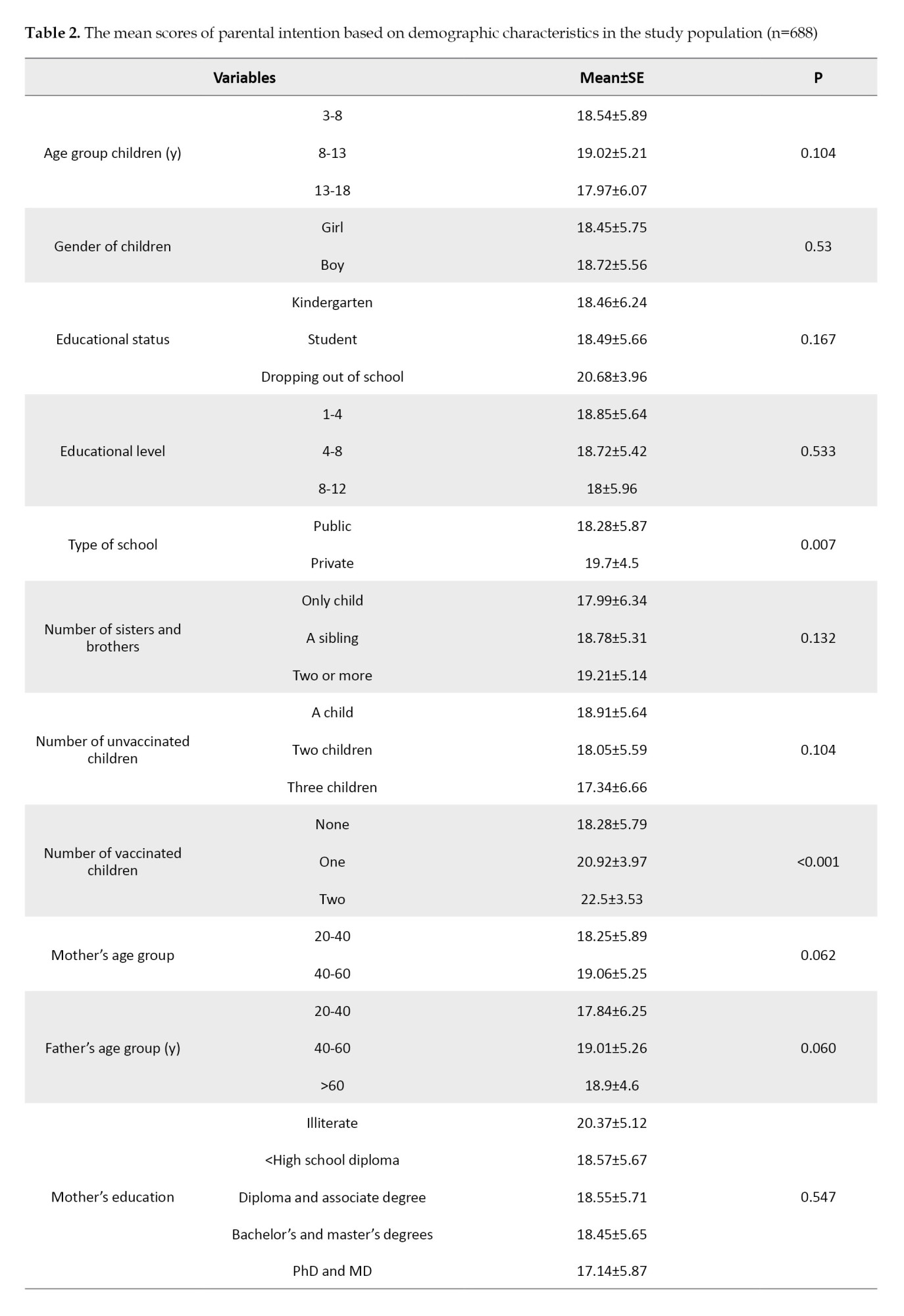
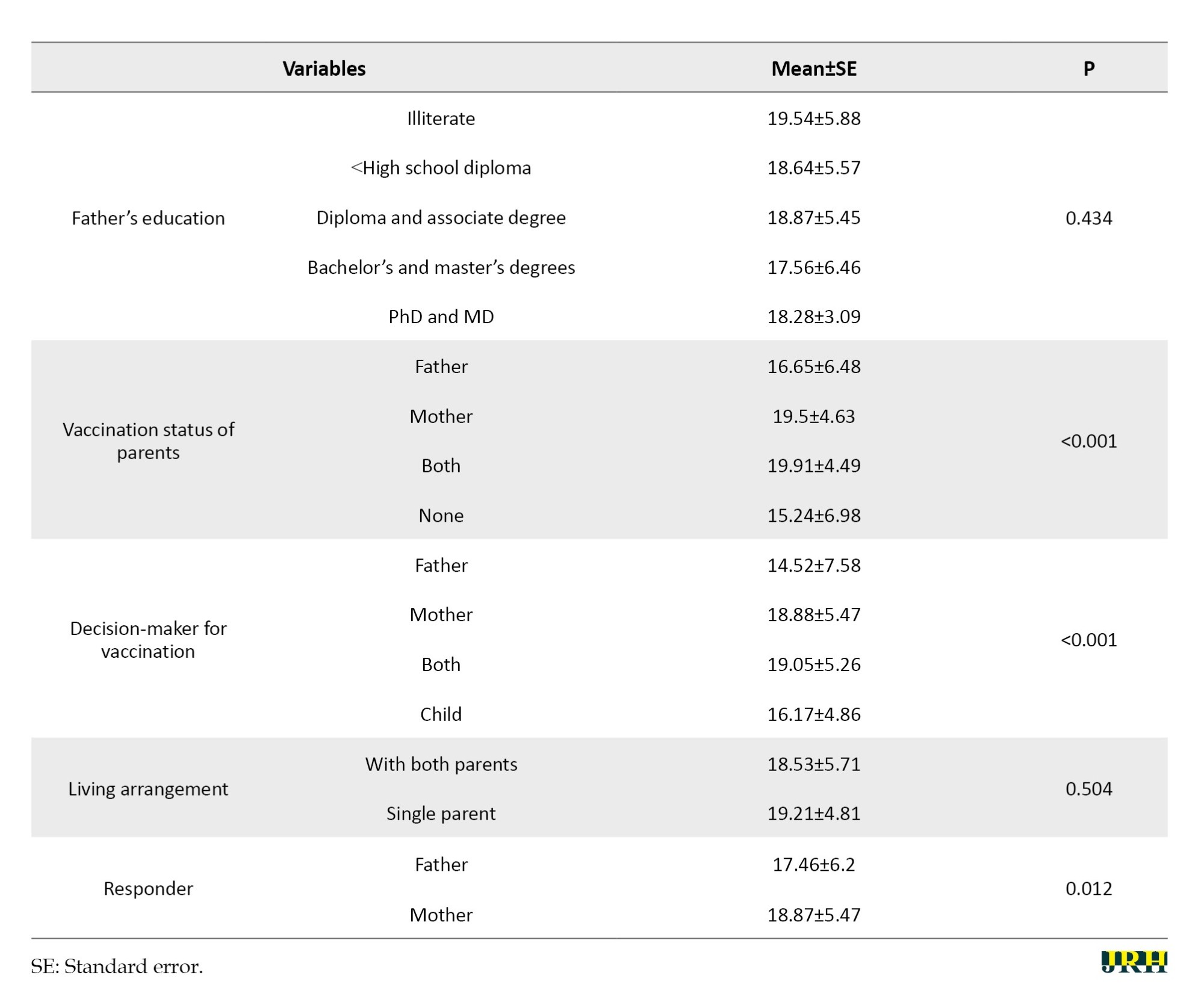
Table 3 presents the results of multivariate linear regression analysis using the forward stepwise method.
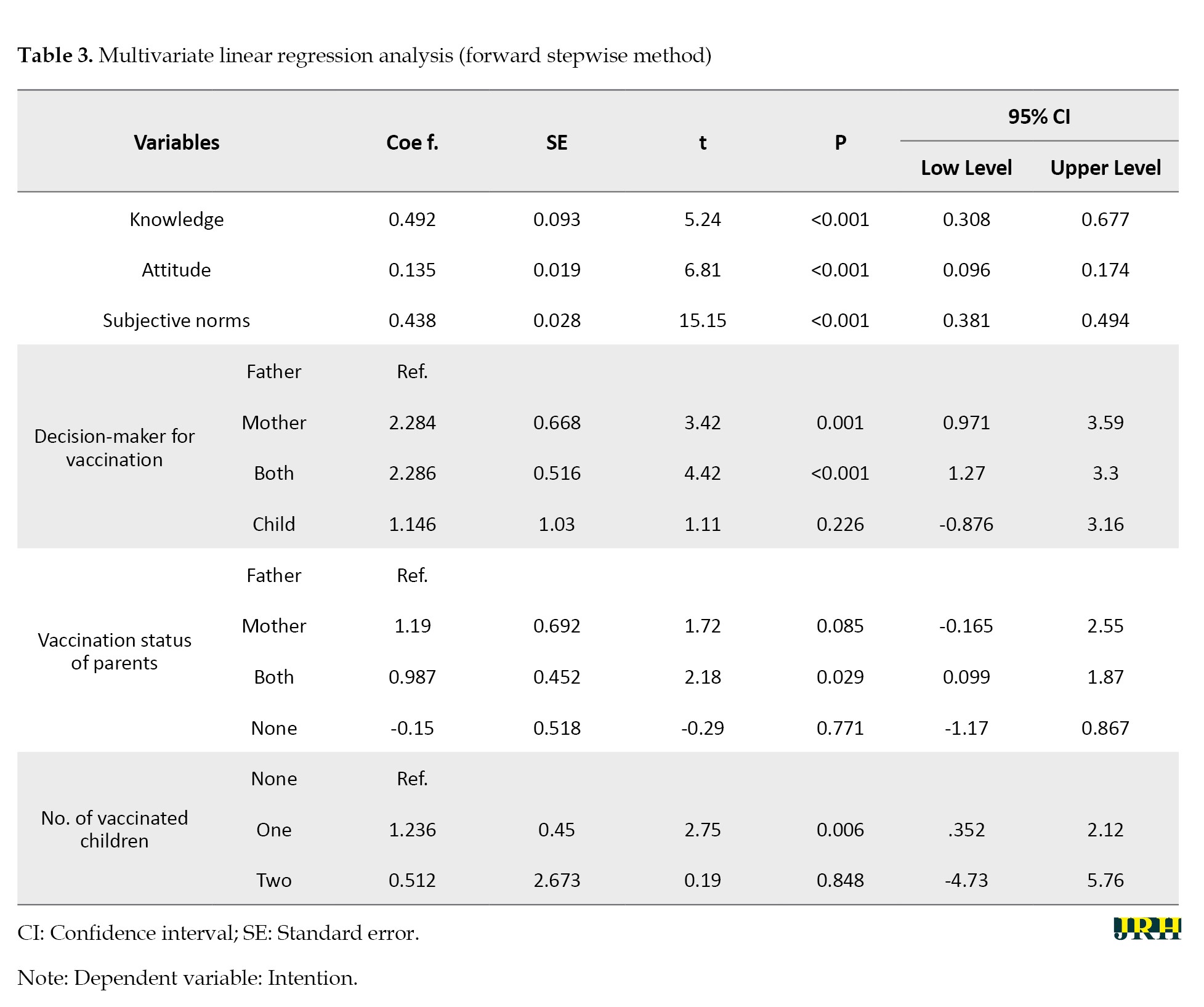
The constructs of knowledge, subjective norms, and attitudes, along with demographic factors such as mothers’ and both parents’ decision-making roles, parental vaccination status, and the presence of a previously vaccinated child in the family, collectively explained 56% of the variance in parental behavioral intention. Non-significant predictors were excluded from the final model.
Discussion
COVID-19 vaccination remains a pivotal strategy for mitigating the pandemic’s global impact. Parents play a central role in children’s vaccination decisions, making their knowledge, attitudes, and behavioral intentions critical determinants of vaccine uptake. In this study, we assessed parental knowledge and behavioral intentions regarding COVID-19 vaccination in children aged 3–18 years in Guilan Province using the BASNEF model.
These findings emphasize that behavioral intention is a key determinant of vaccination behavior. The mean behavioral intention score was 67%, aligning with previous studies [25]. Additionally, 55.5% of parents intended to vaccinate their children, with different studies reporting varying levels of willingness. For example, studies in Canada and Italy found that 60.4% of mothers and parents intended to vaccinate their children, while 59.2% of Swiss parents reported the same [26, 27], which is consistent with our findings. In a study among parents in Tabriz, only 29% were willing to have their children vaccinated against COVID-19 [28].
However, intention rates differed in Latin American (92.2%) and Japanese (42.9%) populations [29, 30]. These discrepancies may reflect differences in study timing during the pandemic, cultural variations, levels of trust in health recommendations [31], and concerns regarding vaccine effectiveness. Furthermore, fear of vaccine efficacy and safety [32], and the influence of anti-vaccine misinformation on social media have been cited as major barriers to childhood COVID-19 vaccination [33].
BASNEF model constructs and behavioral intention
Among the BASNEF model constructs, enabling factors had the highest average score (82%). Interestingly, some Iranian studies applying the BASNEF model to other health behaviors, such as cutaneous leishmaniasis prevention, reported low scores for enabling factors [34], in contrast to our findings. This discrepancy may reflect the widespread availability of vaccination centers, flexible operating hours, accessibility, and free vaccination services, which facilitated parental decision-making.
Knowledge is a fundamental prerequisite for adopting health behaviors. In the present study, 75% of parents demonstrated knowledge about COVID-19 vaccination, with 45.5% correctly answering all knowledge-related questions. Previous research reported similar knowledge levels (73.84%) regarding COVID-19 [35]. Despite government efforts to disseminate accurate information, rumors and misinformation continue to create confusion, affecting vaccine acceptance.
Our study also revealed higher vaccination intentions among parents whose children attended public schools. No prior research has identified a direct relationship between school type and vaccination intention, although household income levels have been shown to influence vaccine acceptance, with higher-income families exhibiting greater willingness to vaccinate [36]. Additionally, a significant association was found between parents’ intention and the number of vaccinated children in the household.
Impact of parental vaccination and decision-making on intentions
The study found that 80.7% of parents (fathers, mothers, or both) had received the COVID-19 vaccine, while 19.3% remained unvaccinated. Parental intention scores were significantly higher in families where both parents or the mother alone were vaccinated than in those where only the father was vaccinated or both parents were unvaccinated. These findings align with previous research demonstrating that parents who received the COVID-19 vaccine were more likely to support vaccinating their children [37]. Additionally, parental behavioral intentions were significantly higher when both parents or the mother alone participated in vaccination decision-making, reinforcing the importance of maternal involvement in child health decisions.
Our results indicate that mothers exhibited higher behavioral intentions than fathers, which is consistent with Babiki et al.’s findings that mothers were more willing to vaccinate their children than fathers [31]. This highlights mothers’ critical role in child health behaviors. However, some studies have suggested that fathers may have greater vaccine acceptance than mothers [38]. These variations underscore the need for targeted education campaigns to enhance vaccine acceptability across different family structures [38].
Correlation between BASNEF constructs and parental intention
Statistical analysis revealed a strong direct correlation between intention and knowledge across all BASNEF model constructs, except for a weak correlation with enabling factors. The strongest correlation was observed between subjective norms and intention (r=0.679, P<0.001). In contrast, some studies found no strong correlation between subjective norms and intention [39]. This discrepancy may stem from heightened risk perception during pandemics, where social influence significantly shapes health behavior intentions. Prior studies have reported a strong correlation between subjective norms and intention [37], a moderate correlation between attitude and intention [25], and no correlation between knowledge and intention [40]. Some research has also observed a weak correlation between enabling factors and intention [41].
Using multivariable linear regression analysis, we found that knowledge, subjective norms, attitudes, and demographic factors (e.g. parental decision-making, both parents’ vaccination status, and child vaccination history) accounted for 56% of the variance in parental behavioral intention. Similar findings have been reported in other studies, where subjective norms [37] and attitudes [42] predicted vaccination intention, and knowledge predicted general health behavior intentions [43]. However, some studies have suggested that subjective norms alone may not reliably predict intention [44]. The strong influence of subjective norms in our study indicates that educational interventions should target not only mothers but also spouses and other influential family members to improve vaccine uptake [45].
Considering the strong cultural emphasis on routine childhood vaccination in Iran, subjective norms emerge as a key determinant of parental acceptance of COVID-19 vaccination [23]. This finding suggests that the expectations and behaviors of family members and peers heavily influence parents. Therefore, interventions that identify, train, and empower socially influential individuals—such as community elders, healthcare workers, and school authorities—could effectively strengthen preventive health behaviors within households. By leveraging these social influencers, public health programs can enhance trust, address vaccine hesitancy, and promote consistent vaccine uptake among children [34].
Conclusion
This study highlights that knowledge, attitudes, and subjective norms—key BASNEF constructs—significantly predict parents’ intentions to vaccinate their children. Awareness of vaccination’s benefits fosters positive beliefs and attitudes, reinforced by social influences. Health education aims to enhance public participation in healthy behaviors, and these findings offer valuable insights for parental education and public health strategies. Given the BASNEF model’s predictive power, it can guide targeted interventions to improve vaccine awareness and decision-making. Future research should explore BASNEF-based strategies to boost vaccine acceptance across diverse populations.
Strengths, limitations, and recommendations for future research
One of the main strengths of this study is its timely implementation during a critical phase of the COVID-19 pandemic, providing valuable insights into parental decision-making regarding child vaccination. BASNEF model enabled a comprehensive analysis of behavioral, normative, and enabling factors, and the relatively large sample size enhances the reliability of the findings.
However, the study has several limitations. Its cross-sectional design prevents establishing causal relationships between variables. The data were self-reported, which may introduce social desirability and recall biases. Additionally, the findings are specific to Guilan Province and may not be generalizable to other regions with different cultural or socioeconomic contexts. Future longitudinal and qualitative studies are recommended to explore changes in parental attitudes over time and to validate these findings in diverse populations.
Ethical Considerations
Compliance with ethical guidelines
This study was approved by the Ethics Committee of Guilan University of Medical Sciences, Rasht Iran (Code IR.GUMS.REC.1400.443).
Funding
This study was conducted as part of a research project (Project No.: 3962) and was funded by the Vice-Chancellor for Research and Technology at Guilan University of Medical Sciences as part of an approved research project (Grant No.: 3962 - 3387).
Authors' contributions
All authors contributed equally to the conception and design of the study, data collection and analysis, interpretation of the results, and drafting of the manuscript. Each author approved the final version of the manuscript for submission.
Conflict of interest
The authors declared no conflict of interest.
Acknowledgments
The authors sincerely appreciate the support of the Deputy of Research and Technology at Guilan University of Medical Sciences, the Deputy of Health of Guilan Province, and all participants in this study for their valuable cooperation.
Coronavirus disease (COVID-19), a severe acute respiratory syndrome, first emerged in China in late 2019 and rapidly spread worldwide [1]. By October 29, 2021, the pandemic had resulted in approximately 4.99 million deaths and over 246 million infections globally. According to the MPIDR COVerAGE database, among the 4.4 million reported COVID-19 deaths, approximately 0.4% (over 17400 cases) occurred in individuals under 20 years of age. Of these deaths, 53% were among adolescents aged 10–19 years, while the remaining 47% occurred in children aged 0–9 years [2]. In Iran alone, the reported cases and deaths reached 5624128 and 121109, respectively, by October 11, 2021 [3]. Beyond its direct impact on physical health, COVID-19 has profoundly affected mental, social, and economic well-being, disrupting daily life and global stability [4]. In response, governments have implemented various control measures, including social distancing, quarantine, travel restrictions, public education, screening, and vaccine development [5].
The clinical presentation of COVID-19 in children can range from asymptomatic infection to mild, moderate, severe, and critical illness [6]. Clinical reports have described common symptoms in pediatric cases such as cough, pharyngeal erythema, fever, tachypnea, diarrhea, rhinorrhea, fatigue, and vomiting, as well as cases with no symptoms of upper respiratory tract infection or pneumonia [7]. Fever and mild cough are among the most frequent symptoms at disease onset. In mild cases, fever tends to be short-lived and resolves quickly. Some patients, with or without cough, have shown radiographic evidence of lung involvement early in symptom onset [8].
Several studies have indicated that some COVID-19 transmission occurred within household settings, highlighting the potential risk of transmission from an infected child to adult contacts, which should not be overlooked [9].
In a study investigating COVID-19–related deaths among individuals aged 8-19 years, it was found that the majority of cases involved at least one underlying medical condition. The most commonly reported comorbidities included obesity, asthma, and developmental disorders. Among hospitalized patients, acute respiratory and renal failures were frequently observed complications preceding death [10].
Vaccination is a critical strategy in mitigating COVID-19 morbidity and mortality, complementing other preventive measures such as hand hygiene and mask-wearing [11]. However, immunization programs depend on public acceptance and widespread coverage [12]. Studies have shown that COVID-19 vaccine acceptance rates vary globally, often falling below 70%, particularly in regions such as the Middle East, Russia, Africa, and parts of Europe [13]. In Iran, Salimi et al. reported that vaccine acceptance was highest (35.40%) among individuals over 50 years old and lowest (15.58%) among young adults aged 18–29 [14].
Vaccine uptake among children is crucial for achieving herd immunity and controlling the spread of infection within communities [15]. However, parental decision-making plays a decisive role in child vaccination rates, and research indicates that only 56.8% of parents worldwide intended to vaccinate their children against COVID-19 [16]. Several factors contribute to vaccine hesitancy, including concerns about safety and efficacy [17], misinformation on social media, low confidence in rapid vaccine development, and concerns over side effects [11]. Addressing these concerns requires targeted health education strategies to improve vaccine perception and acceptance.
Health education plays a fundamental role in shaping public attitudes and behaviors regarding vaccination. Applying structured health education models can enhance the effectiveness of public health interventions [18]. One such model is the BASNEF model, developed by John Hubley in 1988 [19]. The model beliefs, attitudes, subjective norms, and enabling factors (BASNEF) is a comprehensive behavioral framework that explains and predicts health-related behaviors by integrating components of the Health Belief Model and the Theory of Reasoned Action. It is particularly well-suited for studies involving decision-making in health behaviors, such as vaccination, where individual cognition and social influences play significant roles [20, 21]. Previous studies have demonstrated the effectiveness of BASNEF-based interventions in improving health-related behaviors, including adherence to COVID-19 preventive measures [22].
In the context of pediatric COVID-19 vaccination, parental intention is shaped not only by personal beliefs and attitudes about vaccine safety and efficacy, but also by social pressures, cultural norms, and logistical or structural enablers (e.g. access to healthcare services). The BASNEF model captures this multifaceted process by examining knowledge: What parents know about the COVID-19 vaccine, including its risks and benefits for children. Attitudes: Personal evaluations of the vaccine, such as whether it is perceived as necessary or harmful. Subjective norms: The perceived expectations of significant others (e.g. family members, health professionals) that influence parental behavior. Enabling factors: Practical or environmental factors that facilitate or hinder vaccine uptake (e.g. access to healthcare, vaccine availability, and affordability). Behavioral intention: The motivational factors that indicate how hard parents are willing to try or how much effort they plan to exert to vaccinate their children. By applying the BASNEF model, this study will holistically assess the cognitive, social, and structural determinants influencing parental decisions regarding COVID-19 vaccination for children aged 3–18 years. Unlike simpler behavioral models, BASNEF allows inclusion of enabling factors, which are crucial in pandemic conditions where access, availability, and policy interventions can significantly impact behavior.
Furthermore, this model enables researchers to identify specific, actionable targets for public health interventions, such as addressing misinformation, leveraging social influence, and removing practical barriers that could enhance parental intention to vaccinate and ultimately improve vaccine coverage among children.
Given the urgency of increasing vaccine uptake during the COVID-19 pandemic, particularly among pediatric populations, the BASNEF model provides a robust theoretical foundation for analyzing the determinants of parental vaccine behavior and informing effective, evidence-based intervention strategies.
Given the importance of COVID-19 vaccination for children and the limited research on parental decision-making in this regard, this study aimed to assess parents’ intentions regarding COVID-19 vaccination for children aged 3–18 years in Guilan Province, Iran, using the BASNEF model.
Methods
Participants and recruitment procedure
This cross-sectional analytical study was conducted in 2021 among 688 parents of children aged 3–18 years residing in Guilan Province, Iran. The required sample size was calculated as 658 based on a previous study on factors influencing COVID-19 vaccine acceptance [23]. The calculation considered a 15% unwillingness rate for vaccination, a 0.04 margin of error, a 0.05 type I error, a design effect of 1.5, and a 30% anticipated nonresponse rate.
Participants were selected through a multistage cluster sampling method. First, 16 cities in Guilan Province were categorized into five geographical clusters. Then, several counties (Rasht=356, Bandar Anzali=47, Rudsar=61, Lahijan=57, Siahkal=18, Rudbar=44, Fuman=35, Masal=30, and Rezvanshahr=39) were randomly selected based on the number of cities within each cluster. The allocated sample size for each county was determined proportionally to its population and selected using simple random sampling from the list recorded in the integrated health system.
A formal introduction letter was obtained from the Vice-Chancellors for Research and Technology and Health at Guilan University of Medical Sciences. Subsequently, coordination was established with the heads of comprehensive health service centers. Parents were contacted via the phone numbers registered in the system. They were informed about the study’s objectives, assured of data confidentiality, and provided verbal informed consent. A trained co-author familiar with the study objectives administered the questionnaire, read the questions aloud, and recorded responses. The research team addressed any participant questions or concerns. A total of 779 eligible households were contacted, and 688 completed questionnaires were collected, yielding a response rate of 93.48%.
Inclusion and exclusion criteria
The inclusion criteria included families with an active record in the Integrated Health System, at least one child aged 3–18 years, and no COVID-19 vaccination at the time of data collection. Participants provided informed consent to participate.
The exclusion criteria included families that did not respond to the study invitations, provided incomplete responses that could not be analyzed, or had children under six years old who were not attending kindergarten. Furthermore, individuals who declined to participate or failed to provide informed consent were excluded from the study analysis.
Measures
The data collection instrument was a researcher-developed questionnaire, designed based on the study by Kumari et al. [24], which informed the development of several items related to the dimensions of knowledge, attitude, and subjective norms, as well as a review of the literature and the expertise of the research team. The researchers assessed questionnaire’s validity and reliability. It consisted of two main sections: The first section, Demographic Information, included 16 items assessing parental and child characteristics, such as parental and child age, child’s gender and educational level, type of school, number of children, vaccination status (vaccinated vs. unvaccinated children), parental education, parents’ vaccination status, decision-maker for child vaccination, living arrangements with parents, and the respondent to the questionnaire. The second section, Knowledge and BASNEF Model Constructs, included 29 items measuring knowledge and the BASNEF model domains. Knowledge was assessed with three items, with response options: “Correct,” “incorrect,” and “I do not know.” Attitudes were evaluated using 11 items rated on a five-point Likert scale (1=strongly disagree to 5=strongly agree). Subjective Norms consisted of six items rated on the same five-point Likert scale. Enabling Factors included four items, also rated on a five-point Likert scale. Behavioral Intention was measured using five items rated similarly. For knowledge scoring, responses were assigned values of 2 (correct), 1 (I do not know), and 0 (incorrect). Higher scores on this construct indicate greater awareness.
For the other constructs, responses were scored from 1 (completely disagree) to 5 (completely agree). Notably, 10 attitude items and 4 enabling factor items were negatively worded, requiring reverse scoring (i.e. completely agree=1 and completely disagree=5).
Higher scores in the attitude construct indicate a better and more appropriate attitude towards vaccination, while higher scores in the subjective norms construct indicate norms that encourage vaccination. Additionally, higher scores in the behavioral intention construct indicate a stronger and more appropriate intention to vaccinate.
Validity and reliability
A panel of 11 university faculty members assessed the questionnaire’s content validity, including an epidemiologist, a health policy expert, a specialist in social determinants of health, and eight experts in health education and promotion. The content validity ratio (CVR) and content validity index (CVI) were calculated for each domain as follows: Knowledge, CVR=0.63 and CVI=0.91; attitudes, CVR=0.63–1.00 and CVI=0.89; subjective norms, CVR=0.63–0.81 and CVI=0.90; enabling Factors, CVR=0.49–0.63 and CVI=0.90; and behavioral intention, CVR=0.49–0.63 and CVI=0.80. Face validity was evaluated concerning clarity, grammar, and necessary revisions. Reliability was assessed by administering the questionnaire to 30 eligible parents, yielding the following Cronbach’s α coefficients: For knowledge, 0.72; for attitudes, 0.88; for subjective norms, 0.92; for enabling factors, 0.79; and for behavioral intention, 0.94.
Data analysis
Data were analyzed using SPSS software, version 21. Descriptive statistics, including frequencies, percentages, Mean±SD, were reported. To assess relationships between parental intention to vaccinate their children and background variables, appropriate statistical tests were applied based on data distribution and variable type. Independent t-tests and analysis of variance (ANOVA) were used for normally distributed variables. If ANOVA results were significant, Tukey’s post hoc test identified the source of variation. Mann–Whitney and Kruskal–Wallis tests were used for non-normally distributed variables. Pearson’s correlation coefficient examined relationships between quantitative variables. Multivariate linear regression (forward stepwise method) determined the predictive power of each construct and knowledge regarding parental vaccination intention. A P<0.05 was considered statistically significant for all analyses.
Results
This study included parents of children aged 3–18 years residing in Guilan Province. The mean ages of the children, mothers, and fathers were 11.6±3.7, 38.8±6.2, and 41.4±10.2 years, respectively. Of the 688 children and adolescents, 309(45%) were between 8 and 13 years old, the age group with the highest proportion (48.1%) of unvaccinated children. Among participants, 390(56.7%) were girls, and 95.2% lived with both parents. A total of 82.1% of children were enrolled in public schools, and 87.3% were students in grades 1 through 12. Notably, two fathers (0.3%) and ten mothers (1.45%) were divorced, while ten fathers (1.45%) were deceased.
The study findings indicated that 418 parents (60.8%) had received the COVID-19 vaccine. Moreover, in most families (76.9%), both parents were jointly responsible for deciding on their child’s COVID-19 vaccination.
As shown in Table 1, among the BASNEF model constructs, enabling factors received the highest mean score (82%), whereas attitudes received the lowest (61%).
The results further demonstrated that 382 parents (55.5%) intended to vaccinate their children, as they responded “agree” or “completely agree” to all behavioral intention items. Conversely, 91 parents (13.2%) did not intend to vaccinate their children, selecting “disagree” or “completely disagree” for all behavioral intention items, while 30 parents (4.3%) had a neutral stance (“no opinion” on all behavioral intention items). Additionally, 313 parents (45.4%) correctly answered all three knowledge-related questions.
According to Pearson’s correlation coefficient test, parental intention and knowledge were positively and significantly correlated with all BASNEF model constructs. Among the constructs, subjective norms exhibited the highest correlation with Intention (r=0.679, P<0.001). However, no significant correlation was observed between knowledge and enabling factors (Table 1).
Statistical analyses using one-way ANOVA and independent t-tests revealed significant relationships between parental intention scores and several demographic characteristics. Specifically, parental intention was significantly associated with school type (P=0.007) and the number of children who had received the COVID-19 vaccine (P<0.001). Parents exhibited higher behavioral intention scores in families where both parents were vaccinated (P<0.001). Conversely, intention scores were lower in families where the father was the sole decision-maker for vaccination (P<0.001). Moreover, parental intention scores were significantly higher when the mother completed the questionnaire than when the father was the respondent (P=0.012) (Table 2).
Table 3 presents the results of multivariate linear regression analysis using the forward stepwise method.
The constructs of knowledge, subjective norms, and attitudes, along with demographic factors such as mothers’ and both parents’ decision-making roles, parental vaccination status, and the presence of a previously vaccinated child in the family, collectively explained 56% of the variance in parental behavioral intention. Non-significant predictors were excluded from the final model.
Discussion
COVID-19 vaccination remains a pivotal strategy for mitigating the pandemic’s global impact. Parents play a central role in children’s vaccination decisions, making their knowledge, attitudes, and behavioral intentions critical determinants of vaccine uptake. In this study, we assessed parental knowledge and behavioral intentions regarding COVID-19 vaccination in children aged 3–18 years in Guilan Province using the BASNEF model.
These findings emphasize that behavioral intention is a key determinant of vaccination behavior. The mean behavioral intention score was 67%, aligning with previous studies [25]. Additionally, 55.5% of parents intended to vaccinate their children, with different studies reporting varying levels of willingness. For example, studies in Canada and Italy found that 60.4% of mothers and parents intended to vaccinate their children, while 59.2% of Swiss parents reported the same [26, 27], which is consistent with our findings. In a study among parents in Tabriz, only 29% were willing to have their children vaccinated against COVID-19 [28].
However, intention rates differed in Latin American (92.2%) and Japanese (42.9%) populations [29, 30]. These discrepancies may reflect differences in study timing during the pandemic, cultural variations, levels of trust in health recommendations [31], and concerns regarding vaccine effectiveness. Furthermore, fear of vaccine efficacy and safety [32], and the influence of anti-vaccine misinformation on social media have been cited as major barriers to childhood COVID-19 vaccination [33].
BASNEF model constructs and behavioral intention
Among the BASNEF model constructs, enabling factors had the highest average score (82%). Interestingly, some Iranian studies applying the BASNEF model to other health behaviors, such as cutaneous leishmaniasis prevention, reported low scores for enabling factors [34], in contrast to our findings. This discrepancy may reflect the widespread availability of vaccination centers, flexible operating hours, accessibility, and free vaccination services, which facilitated parental decision-making.
Knowledge is a fundamental prerequisite for adopting health behaviors. In the present study, 75% of parents demonstrated knowledge about COVID-19 vaccination, with 45.5% correctly answering all knowledge-related questions. Previous research reported similar knowledge levels (73.84%) regarding COVID-19 [35]. Despite government efforts to disseminate accurate information, rumors and misinformation continue to create confusion, affecting vaccine acceptance.
Our study also revealed higher vaccination intentions among parents whose children attended public schools. No prior research has identified a direct relationship between school type and vaccination intention, although household income levels have been shown to influence vaccine acceptance, with higher-income families exhibiting greater willingness to vaccinate [36]. Additionally, a significant association was found between parents’ intention and the number of vaccinated children in the household.
Impact of parental vaccination and decision-making on intentions
The study found that 80.7% of parents (fathers, mothers, or both) had received the COVID-19 vaccine, while 19.3% remained unvaccinated. Parental intention scores were significantly higher in families where both parents or the mother alone were vaccinated than in those where only the father was vaccinated or both parents were unvaccinated. These findings align with previous research demonstrating that parents who received the COVID-19 vaccine were more likely to support vaccinating their children [37]. Additionally, parental behavioral intentions were significantly higher when both parents or the mother alone participated in vaccination decision-making, reinforcing the importance of maternal involvement in child health decisions.
Our results indicate that mothers exhibited higher behavioral intentions than fathers, which is consistent with Babiki et al.’s findings that mothers were more willing to vaccinate their children than fathers [31]. This highlights mothers’ critical role in child health behaviors. However, some studies have suggested that fathers may have greater vaccine acceptance than mothers [38]. These variations underscore the need for targeted education campaigns to enhance vaccine acceptability across different family structures [38].
Correlation between BASNEF constructs and parental intention
Statistical analysis revealed a strong direct correlation between intention and knowledge across all BASNEF model constructs, except for a weak correlation with enabling factors. The strongest correlation was observed between subjective norms and intention (r=0.679, P<0.001). In contrast, some studies found no strong correlation between subjective norms and intention [39]. This discrepancy may stem from heightened risk perception during pandemics, where social influence significantly shapes health behavior intentions. Prior studies have reported a strong correlation between subjective norms and intention [37], a moderate correlation between attitude and intention [25], and no correlation between knowledge and intention [40]. Some research has also observed a weak correlation between enabling factors and intention [41].
Using multivariable linear regression analysis, we found that knowledge, subjective norms, attitudes, and demographic factors (e.g. parental decision-making, both parents’ vaccination status, and child vaccination history) accounted for 56% of the variance in parental behavioral intention. Similar findings have been reported in other studies, where subjective norms [37] and attitudes [42] predicted vaccination intention, and knowledge predicted general health behavior intentions [43]. However, some studies have suggested that subjective norms alone may not reliably predict intention [44]. The strong influence of subjective norms in our study indicates that educational interventions should target not only mothers but also spouses and other influential family members to improve vaccine uptake [45].
Considering the strong cultural emphasis on routine childhood vaccination in Iran, subjective norms emerge as a key determinant of parental acceptance of COVID-19 vaccination [23]. This finding suggests that the expectations and behaviors of family members and peers heavily influence parents. Therefore, interventions that identify, train, and empower socially influential individuals—such as community elders, healthcare workers, and school authorities—could effectively strengthen preventive health behaviors within households. By leveraging these social influencers, public health programs can enhance trust, address vaccine hesitancy, and promote consistent vaccine uptake among children [34].
Conclusion
This study highlights that knowledge, attitudes, and subjective norms—key BASNEF constructs—significantly predict parents’ intentions to vaccinate their children. Awareness of vaccination’s benefits fosters positive beliefs and attitudes, reinforced by social influences. Health education aims to enhance public participation in healthy behaviors, and these findings offer valuable insights for parental education and public health strategies. Given the BASNEF model’s predictive power, it can guide targeted interventions to improve vaccine awareness and decision-making. Future research should explore BASNEF-based strategies to boost vaccine acceptance across diverse populations.
Strengths, limitations, and recommendations for future research
One of the main strengths of this study is its timely implementation during a critical phase of the COVID-19 pandemic, providing valuable insights into parental decision-making regarding child vaccination. BASNEF model enabled a comprehensive analysis of behavioral, normative, and enabling factors, and the relatively large sample size enhances the reliability of the findings.
However, the study has several limitations. Its cross-sectional design prevents establishing causal relationships between variables. The data were self-reported, which may introduce social desirability and recall biases. Additionally, the findings are specific to Guilan Province and may not be generalizable to other regions with different cultural or socioeconomic contexts. Future longitudinal and qualitative studies are recommended to explore changes in parental attitudes over time and to validate these findings in diverse populations.
Ethical Considerations
Compliance with ethical guidelines
This study was approved by the Ethics Committee of Guilan University of Medical Sciences, Rasht Iran (Code IR.GUMS.REC.1400.443).
Funding
This study was conducted as part of a research project (Project No.: 3962) and was funded by the Vice-Chancellor for Research and Technology at Guilan University of Medical Sciences as part of an approved research project (Grant No.: 3962 - 3387).
Authors' contributions
All authors contributed equally to the conception and design of the study, data collection and analysis, interpretation of the results, and drafting of the manuscript. Each author approved the final version of the manuscript for submission.
Conflict of interest
The authors declared no conflict of interest.
Acknowledgments
The authors sincerely appreciate the support of the Deputy of Research and Technology at Guilan University of Medical Sciences, the Deputy of Health of Guilan Province, and all participants in this study for their valuable cooperation.
References
- Chen S, Yang J, Yang W, Wang C, Barnighausen T. COVID-19 control in China during mass population movements at New Year. Lancet. 2020; 395(10226):764-6. [DOI:10.1016/S0140-6736(20)30421-9] [PMID] [PMCID]
- UNICEF. Child mortality and COVID-19. New York: UNICEF; 2023. [Link]
- WHO. Coronavirus pandemic. Geneva: World Health Organization; 2020. [Link]
- Bagheri Lankarani K, Khayamzadeh M. [Points for improving the COVID-19 national control program (Persian)]. Iranian Journal of Culture and Health Promotion. 2021; 5(2):143-51. [Link].
- Adeli OA, Rahimi Kah Kashi S. [Estimating willingness to pay for the COVID-19 vaccine using the conditional valuation method (Persian)]. Payesh. 2021; 20(2):223-36. [DOI:10.52547/payesh.20.2.223]
- Dong Y, Mo X, Hu Y, Qi X, Jiang F, Jiang Z, et al. Epidemiology of COVID-19 among children in China. Pediatrics. 2020; 145(6):e20200702. [DOI:10.1542/peds.2020-0702] [PMID]
- Lu X, Zhang L, Du H, Zhang J, Li YY, Qu J, et al. SARS-CoV-2 infection in children. New England Journal of Medicine. 2020; 382(17):1663-5. [DOI:10.1056/NEJMc2005073] [PMID]
- Chan JFW, Yuan S, Kok KH, To KKW, Chu H, Yang J, et al. A familial cluster of pneumonia associated with the 2019 novel coronavirus indicating person-to-person transmission: A study of a family cluster. Lancet. 2020; 395(10223):514-23. [DOI:10.1016/S0140-6736(20)30154-9] [PMID]
- Jiehao C, Jin X, Daojiong L, Zhi Y, Lei X, Zhenghai Q, et al. A case series of children with 2019 novel coronavirus infection: clinical and epidemiological features. Clinical Infectious Diseases. 2020; 71(6):1547-51. [DOI:10.1093/cid/ciaa198] [PMID]
- McCormick DW, Richardson LC, Young PR, Viens LJ, Gould CV, Kimball A, et al. Deaths in children and adolescents associated with COVID-19 and MIS-C in the United States. Pediatrics. 2021; 148(5):e2021052273. [DOI:10.1542/peds.2021-052273] [PMID]
- Hatami S, Hatami N. [The role of trust in receiving or not receiving COVID-19 vaccine (Persian)]. Journal of Marine Medicine. 2021; 3(4):20-7. [DOI:10.30491/3.4.20].
- Zahraei SM, Eshrati B, Gouya MM, Mohammadbeigi A, Kamran A. Is there still an immunity gap in high-level national immunization coverage, Iran? Archives of Iranian Medicine. 2014; 17(8):698-701. [Link]
- Sallam M. COVID-19 vaccine hesitancy worldwide: A concise systematic review of vaccine acceptance rates. Vaccines. 2021; 9(2):160. [DOI:10.3390/vaccines9020160] [PMID] [PMCID]
- Salimi Y, Paykani T, Ahmadi S, Shirazikhah M, Almasi A, Biglarian A, et al. [COVID-19 vaccine acceptance and its related factors in the general population of Tehran and Kermanshah (Persian)]. Iranian Journal of Epidemiology. 2021; 16(5):1-9. [Link]
- Zou X, Cao B. COVID-19 vaccines for children younger than 12 years: Are we ready? The Lancet Infectious Diseases. 2021; 21(12):1614-5. [DOI:10.1016/S1473-3099(21)00384-4] [PMID] [PMCID]
- Galanis P, Vraka I, Siskou O, Konstantakopoulou O, Katsiroumpa A, Kaitelidou D. Willingness, refusal and influential factors of parents to vaccinate their children against the COVID-19: a systematic review and meta-analysis. Preventive Medicine. 2022; 157:106994. [DOI:10.1016/j.ypmed.2022.106994] [PMID] [PMCID]
- Karlsson LC, Lewandowsky S, Antfolk J, Salo P, Lindfelt M, Oksanen T, et al. The association between vaccination confidence, vaccination behavior, and willingness to recommend vaccines among Finnish healthcare workers. PLoS One. 2019; 14(10):e0224330. [DOI:10.1371/journal.pone.0224330] [PMID] [PMCID]
- Hazavehei SMM, Faghih Solaimani P, Moeini B, Soltanian AR. [Evaluation of the educational nutrition intervention’s effects on healthy nutritional behaviors promotion in elderly of Sanandaj: Application of the BASNEF model (Persian)]. Journal of Netshabur University of Medical Sciences. 2017; 5(1):39-51. [Link]
- Hubley J. Understanding behaviour: the key to successful health education. Tropical Doctor. 1988; 18(3):134-8. [DOI:10.1177/004947558801800316] [PMID]
- Jeihooni AK, Hidarnia A, Kaveh MH, Hajizadeh E, Askari A. The effect of an educational program based on the Health Belief Model on preventing osteoporosis in women. International Journal of Preventive Medicine. 2015; 6:115. [DOI:10.4103/2008-7802.170429] [PMID] [PMCID]
- Lamadah SM, Ibrahim HA, Elgzar WT, El-Sayed HA, Sayed SH, El-Houfey A. Gestational diabetes self-care behavior: An empowerment educational intervention based on the BASNEF model. Iranian Journal of Nursing and Midwifery Research. 2022; 27(6):538-46. [DOI:10.4103/ijnmr.ijnmr_46_21] [PMID] [PMCID]
- Abdi S, Abdullahpoor A, Ahmadifar R, Savare F, Arad M. [The effectiveness of COVID-19 lifestyle training on mental health and adherence to health protocols: application of the BASNEF model (Persian)]. Rooyesh-e-Ravanshenasi Journal. 2021; 10(4):109-22. [Link]
- Keshmiri S, Darabi AH, Tahmasebi R, Vahdat K, Noroozi A. [Factors influencing COVID-19 vaccine acceptance based on the behavioral change wheel model in Bushehr Province in 2021: A web-based study (Persian)]. Hayat. 2021; 27(2):190-205. [Link]
- Kumari A, Ranjan P, Chopra S, Kaur D, Upadhyay AD, Kaur T, et al. Development and validation of a questionnaire to assess knowledge, attitude, practices, and concerns regarding COVID-19 vaccination among the general population. Diabetes & Metabolic Syndrome. 2021; 15(3):919-25. [DOI:10.1016/j.dsx.2021.04.004] [PMID] [PMCID]
- Fan CW, Chen IH, Ko NY, Yen CF, Lin CY, Griffiths MD, et al. Extended theory of planned behavior in explaining the intention to COVID-19 vaccination uptake among mainland Chinese university students: an online survey study. Human Vaccines & Immunotherapeutics. 2021; 17(10):3413-20. [DOI:10.1080/21645515.2021.1933687] [PMID]
- Hetherington E, Edwards SA, MacDonald SE, Racine N, Madigan S, McDonald S, et al. SARS-CoV-2 vaccination intentions among mothers of children aged 9 to 12 years: A survey of the All Our Families cohort. CMAJ Open. 2021; 9(2):E548-55. [DOI:10.9778/cmajo.20200302] [PMID] [PMCID]
- Humble RM, Sell H, Dubé E, MacDonald NE, Robinson J, Driedger SM, et al. their children: results from a cross-sectional national survey. Vaccine. 2021; 39(52):7669-76. [DOI:10.1016/j.vaccine.2021.10.002] [PMID] [PMCID]
- Jafari N, Akbari H, Maghsoodi A, Sarbakhsh P. The attitude of the unvaccinated children’s parents toward pediatric COVID-19 vaccination in Tabriz, Iran. BMC pediatrics. 2025; 25(1):248. [DOI:10.1186/s12887-025-05615-7] [PMID] [PMCID]
- Urrunaga-Pastor D, Herrera-Añazco P, Uyen-Cateriano A, Toro-Huamanchumo CJ, Rodriguez-Morales AJ, Hernandez AV, et al. Prevalence and factors associated with parents’ non-intention to vaccinate their children and adolescents against COVID-19 in Latin America and the Caribbean. Vaccines. 2021; 9(11):1303. [DOI:10.3390/vaccines9111303] [PMID] [PMCID]
- Yoda T, Katsuyama H. Parents’ hesitation about getting their children vaccinated against COVID-19 in Japan. Human Vaccines & Immunotherapeutics. 2021; 17(12):4993-8. [DOI:10.1080/21645515.2021.1981087] [PMID] [PMCID]
- Babicki M, Pokorna-Kałwak D, Doniec Z, Mastalerz-Migas A. Attitudes of parents with regard to vaccination of children against COVID-19 in Poland: A nationwide online survey. Vaccines. 2021; 9(10):1192. [DOI:10.3390/vaccines9101192] [PMID] [PMCID]
- Feng H, Zhu H, Zhang H, Cao L, Li L, Wang J, et al. Caregivers’ intentions to COVID-19 vaccination for their children in China: A cross-sectional survey. Human Vaccines & Immunotherapeutics. 2021; 17(12):4799-805. [DOI:10.1080/21645515.2021.1985355] [PMID] [PMCID]
- Germani F, Biller-Andorno N. The anti-vaccination infodemic on social media: A behavioral analysis. PLoS One. 2021; 16(3):e0247642. [DOI:10.1371/journal.pone.0247642] [PMID] [PMCID]
- Rahaei Z, Heshmati H, Hazavehei M, Hasanzadeh A. [Relationship between educational practice of volunteer health workers and preventive behavior of households under their coverage regarding cutaneous leishmaniasis based on the BASNEF model in Yazd City, Iran (Persian)]. Journal of School of Public Health and Institute of Public Health Research. 2011; 9(1):77-85. [Link]
- Rahmanian M, Dorodchi A, Zarenezhad M, Hatami N, Javdani F, Kalani N. [Knowledge, attitude and practice of students of Jahrom University of Medical Sciences toward the new coronavirus (COVID-19) (Persian)]. Medical Journal of Mashhad University of Medical Sciences. 2020; 63(3):2359-69. [DOI:10.22038/mjms.2020.16937]
- He K, Mack WJ, Neely M, Lewis L, Anand V. Parental perspectives on immunizations: Impact of the COVID-19 pandemic on childhood vaccine hesitancy. Journal of Community Health. 2022; 47(1):39-52. [DOI:10.1007/s10900-021-01017-9] [PMID] [PMCID]
- Li JB, Lau EYH, Chan DKC. Why do Hong Kong parents have low intention to vaccinate their children against COVID-19? Testing health belief model and theory of planned behavior in a large-scale survey. Vaccine. 2022; 40(19):2772-80. [DOI:10.1016/j.vaccine.2022.03.040] [PMID] [PMCID]
- Goldman RD, Yan TD, Seiler M, Cotanda CP, Brown JC, Klein EJ, et al. Caregiver willingness to vaccinate their children against COVID-19: Cross-sectional survey. Vaccine. 2020; 38(48):7668-73. [DOI:10.1016/j.vaccine.2020.09.084] [PMID] [PMCID]
- Abbasi-Shavazi M, Baghianimoghadam MH, Rezaeipandari H, Chaleshgar M, Morowatisharifabad MA. [Predictors of using respiratory protection masks among workers of sanitary ware companies in Yazd, Iran, based on the theory of planned behavior (Persian)]. Journal of Mazandaran University of Medical Sciences. 2017; 27(151):180-92. [Link]
- Heshmati H, Rahaei Z, Hazavehei SMM, Dehnadi A, Hasanzadeh A. [Related factors to educational behaviors of health volunteers about cutaneous leishmaniasis on the basis of BASNEF model in Yazd (Persian)]. Journal of Health. 2011; 1(3):48-56. [Link]
- Ouji Z, Barati M, Bashirian S. [Application of BASNEF model to predict postpartum physical activity in mothers visiting health centers in Kermanshah (Persian)]. Journal of Education and Community Health. 2014; 1(3):54-62. [Link]
- Wolff K. COVID-19 vaccination intentions: The theory of planned behavior, optimistic bias, and anticipated regret. Frontiers in Psychology. 2021; 12:648289. [DOI:10.3389/fpsyg.2021.648289] [PMID] [PMCID]
- Bayrami R, Didarloo A, Asadinejad A. [Prediction of physical activity based on the BASNEF model constructs during preconception period among women referred to Uremia health centers (Persian)]. Hayat. 2020; 26(1):105-17. [Link]
- Le An P, Nguyen HTN, Nguyen DD, Vo LY, Huynh G. The intention to get a COVID-19 vaccine among the students of health science in Vietnam. Human Vaccines & Immunotherapeutics. 2021; 17(12):4823-8. [DOI:10.1080/21645515.2021.1981726] [PMID] [PMCID]
- Charkazi A, Miraeiz SZ, Razzaghnejad A, Shahnazi H, Hasanzadeh A, Badleh MT. Breastfeeding status during the first two years of infants’ life and its risk factors based on BASNEF model structures in Isfahan. Journal of Education and Health Promotion. 2013; 2:9. [DOI:10.4103/2277-9531.107938] [PMID] [PMCID]
Type of Study: Orginal Article |
Subject:
● Health Education
Received: 2025/04/11 | Accepted: 2025/11/22 | Published: 2026/08/23
Received: 2025/04/11 | Accepted: 2025/11/22 | Published: 2026/08/23
| Rights and permissions | |
 |
This work is licensed under a Creative Commons Attribution-NonCommercial 4.0 International License. |


This is an open access article distributed under the terms of the Creative Commons Attribution License (CC-By-NC), which permits use, distribution, and reproduction in any medium, provided the original work is properly cited and is not used for commercial purposes.
Contact Information
