

Volume 16, Issue 4 (Jul & Aug 2026)
J Research Health 2026, 16(4): 401-408 |
Back to browse issues page



Ethics code: 1120230680


Download citation:
BibTeX | RIS | EndNote | Medlars | ProCite | Reference Manager | RefWorks
Send citation to:


BibTeX | RIS | EndNote | Medlars | ProCite | Reference Manager | RefWorks
Send citation to:
Helmy A A B, Khamis M A, Mohamed H M. Quality of Life Among Married Women With Polycystic Ovary Syndrome Attending Women’s Health Hospital. J Research Health 2026; 16 (4) :401-408
URL: http://jrh.gmu.ac.ir/article-1-2944-en.html
URL: http://jrh.gmu.ac.ir/article-1-2944-en.html
Quality of Life Among Married Women With Polycystic Ovary Syndrome Attending Women’s Health Hospital


1- Department of Maternal and Newborn Health Nursing, Faculty of Nursing, Assiut University, Asyut, Egypt. , asmaabakr@aun.edu.eg
2- Department of Obstetrics and Gynecological Nursing, Faculty of Nursing, Assiut University, Asyut, Egypt.
2- Department of Obstetrics and Gynecological Nursing, Faculty of Nursing, Assiut University, Asyut, Egypt.
Keywords: Health-related quality of life, infertility, Married women, Polycystic ovary syndrome (PCOS)
Full-Text [PDF 678 kb]
(194 Downloads)
| Abstract (HTML) (1054 Views)
Discussion
PCOS is an extremely common and complex endocrine disorder affecting approximately 1 in 5 women of childbearing age worldwide, impacting not only their physical health but also their mental and emotional well-being, leading to diminished QoL [23]. Therefore, the current study aimed to assess the QoL among married women with PCOS.
The primary finding of the study was that half of the women had an average QoL, nearly half had a poor QoL, and a minority of the studied women had a good QoL. The study of Hamed and Abbas found a significant relationship between QoL and marital status among overweight women with PCOS, indicating that being married may influence the QoL outcomes compared to their unmarried counterparts [13]. These results answered the research question, which was “What is the level of QoL among married women with PCOS?”.
The findings of the current study agree with those of Abdelaziz et al. and Abd Elstar et al., who found that more than half of the studied women had average QoL [22, 24]. In contrast to the present study, Ligocka, demonstrated that the majority of women with PCOS rated their QoL as good or very good [25]. This difference may result from differences in culture and traditions.
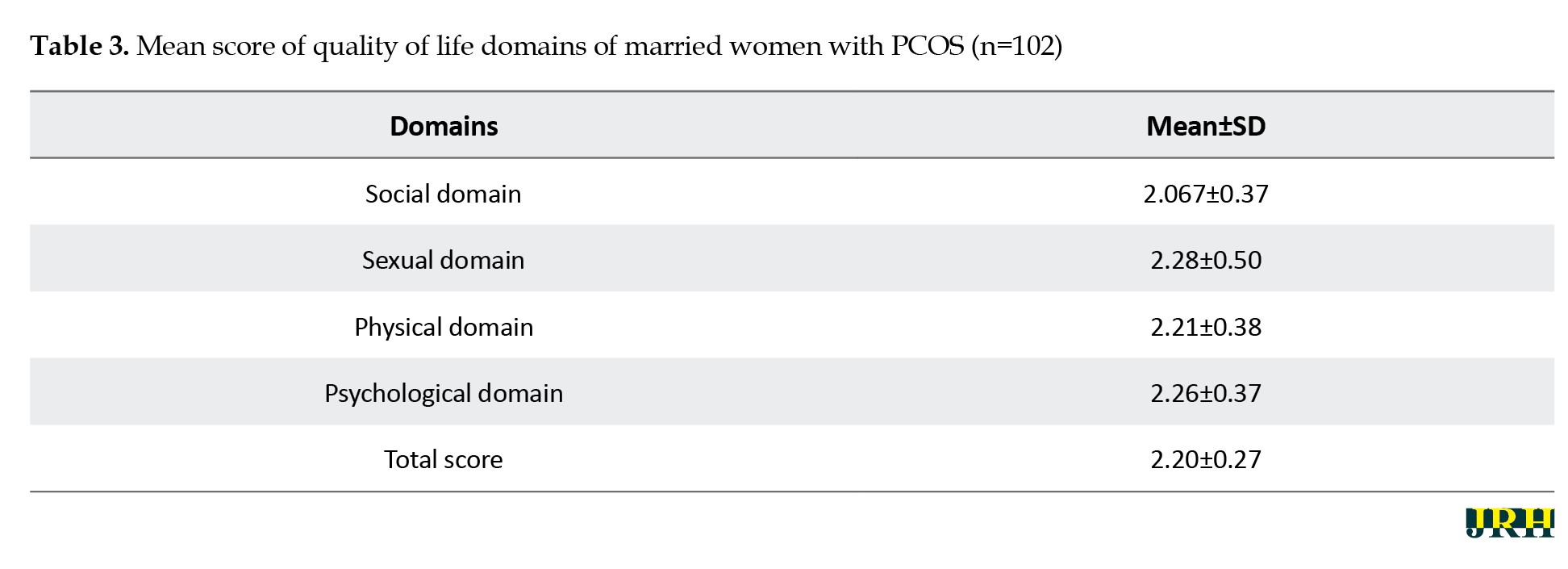
Regarding the mean scores of QoL domains in married women with PCO, the present study revealed the lowest QoL across all domains. These findings were in the same line with the study of Odhaib et al. who illustrated that QoL among married women with PCO is significantly impacted, particularly concerning body image dissatisfaction and psychological distress, as indicated by marked reductions in scores across all domains of QoL [26].
Also, these findings were supported by the studies of Rao et al. and Bahadori et al. who reported the lowest QoL in the physical, social, and psychological domains, while their studies, in contrast, reported the highest mean score in the infertility domain [27, 28].
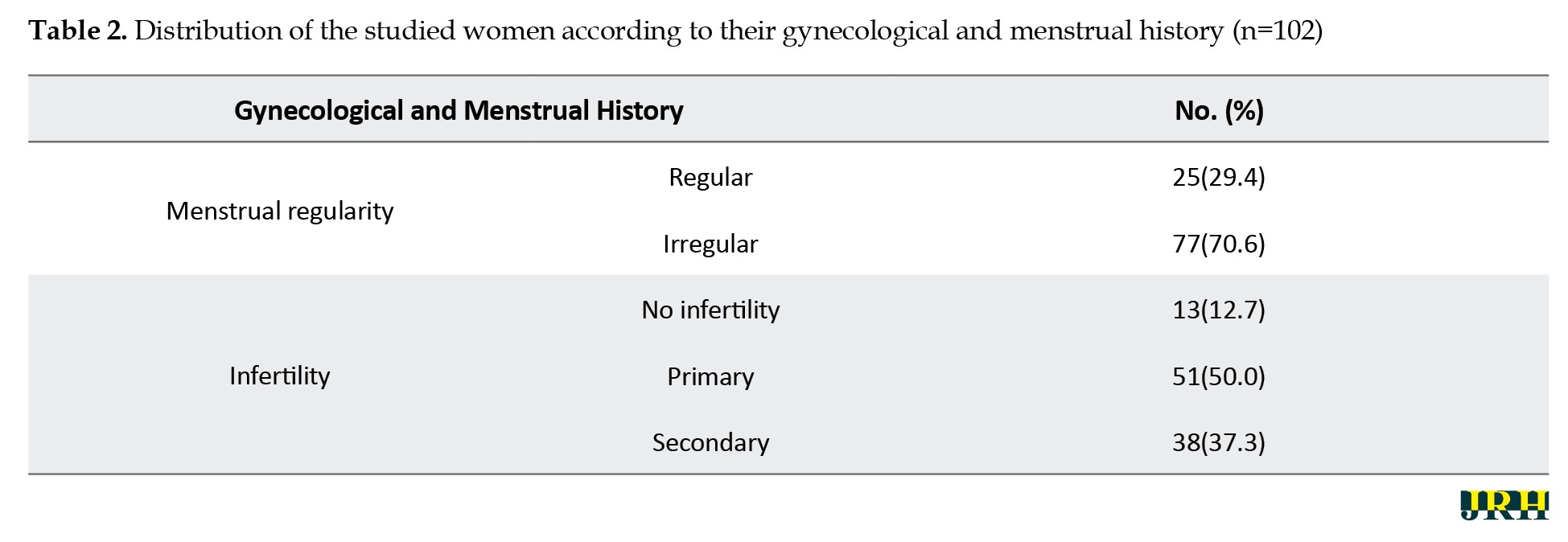
Regarding gynecological and menstrual history, the present study showed that the majority of the studied women had irregular menstruation, half of them had primary infertility and more than one-third of women had secondary infertility. Congruent with previous results, Abdelaziz et al. who studied the “QoL among women with polycystic ovarian syndrome at Suez Canal University Hospital” in Egypt on 115 women, showed that approximately half of the women had primary infertility, and more than one-third had secondary infertility. More than two-thirds of the studied women had irregular menstruation [22]. The current findings are consistent with the results of the study by Morshedi et al. (2021), who found that the majority of women had experienced hirsutism, irregular menstruation, painful menstruation, and obesity [29].
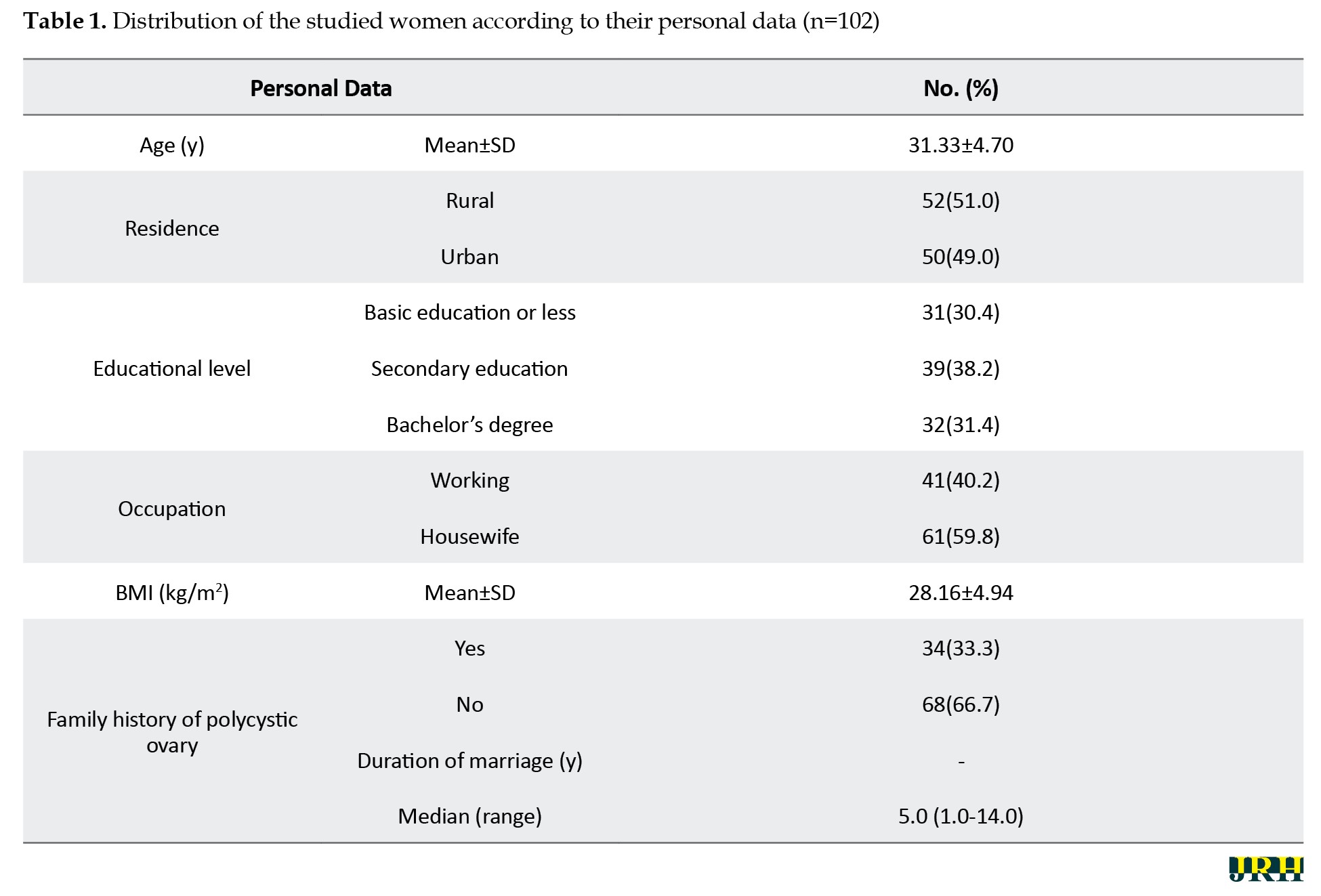
Regarding the personal characteristics of the studied women, the present study shows that the mean age of the studied women was 31.33±4.70, less than half of them lived in urban areas, more than one-third of them had secondary education and less than two-thirds of the women were housewives. These findings are consistent with those of Saeed et al. who reported that the mean age of the studied women was 28.91±7.35 and that less than half had secondary education; furthermore, more than three-quarters of them were housewives [30]. However, more than three-quarters of the respondents lived in rural areas.
In contrast with findings of the present study, Copp et al. indicated that more than half of the women were diagnosed at a very young age of about 18-25 years old [31]. The difference could be due to a change in the setting of the study.
Regarding BMI, the study reported a Mean±SD of 28.16±4.94. This is consistent with the study by Kabiri et al. who reported a Mean±SD of 29.06 [32]. Similarly, Hamed and Abbas demonstrated that most women were classified as overweight based on their BMI [13]. On the other hand, these results are inconsistent with Abobaker et al. who demonstrated that less than half of the studied women were overweight and obese in the pre-intervention phase of the program [33]. This difference could be due to the culture and country of the women in the study
Conclusion
This study concludes that PCOS negatively impacts the QoL of married women, as half of the women had an average QoL. In contrast, a minority of women had good QoL and the social domain is the most vulnerable domain, linked to marital fertility pressures. The findings highlight the need for nurse-led educational interventions focused on the PCOS lifestyle guideline (6-month 5-10% weight loss) and peer support groups to increase awareness and potentially improve health-related QoL, thereby enhancing the quality of their marriage. The author strongly recommends implementing pre-post randomized controlled trials using comprehensive tools, such as PCOSQ. Multicenter collaboration and Comparative Sampling across different Egyptian governorates to enhance the generalizability and robustness of the findings. Qualitative Exploration of Social Barriers (e.g. in-depth interviews or focus groups).
Limitation
The study was conducted in a relatively small number of women and in a single location (clinic-based); therefore, the results cannot be generalized. Other demographic and clinical characteristics, such as income, psychological problems, and the presence of comorbidities, might impact the quality of marriage and life and were not considered. Also, absence of partner perspectives on marital QoL.
Ethical Considerations
Compliance with ethical guidelines
The World Medical Association Declaration of Helsinki (1997) was followed in terms of all research ethical guidelines.This study was approved by the Ethics Committee of Assiut University, Assiut, Egypt (Code: 1120230680). Informed consent was obtained from women who participated in the study, after explaining the nature and purpose of the study. There was no risk to the study participants during the application of the research. This study adhered to the ethical principles of clinical research. Confidentiality and anonymity were assured. Participants had the right to refuse to participate or withdraw from the study without any rationale at any time. Women’s privacy was considered during data collection.
Funding
This research did not receive any grant from funding agencies in the public, commercial, or non-profit sectors.
Authors' contributions
Conceptualization, methodology, investigation, writing the original draft, data collection and data analysis: Asmaa Abo Bakr Helmy; Supervision: Mervat Ali Khamis; Review & editing: All authors.
All authors reviewed and accepted the manuscript.
Conflict of interest
The authors declared no conflicts of interest.
Acknowledgments
First, and foremost, the authors thank to Allah for blessing this work until it reached completion. The authors thank every woman who participated in this study and the staff members of the Women’s Health Hospital who facilitated this study.
Full-Text: (122 Views)
Introduction
Polycystic ovary syndrome (PCOS) is a common endocrine disorder among women of reproductive age. According to the World Health Organization (WHO), it is an extremely common and highly prevalent disorder. PCOS affects 116 million women (4–12%) globally in 2012, and in 2020, its ratio increased abruptly to 26% [1]. The highest prevalence of PCOS was in Africa (16.4%) [1]. In Egypt, the prevalence of PCOS is approximately estimated to range from 16 % to 37.5% [2].
PCOS is a reproductive, metabolic, and psychological condition with impacts across the lifespan [3]. PCOS is associated with metabolic disorders, including obesity and insulin resistance, which can lead to cardiovascular diseases [4]. These women are 50% more likely to experience psychiatric disorders, including bulimia, schizophrenia, and bipolar disorders [5]. For individuals with chronic conditions, quality of life (QoL) encompasses physical health, psychological state, level of independence, social relationships, personal beliefs, and their relationship to significant features of their environment [6].
QoL is defined as living in good physical, mental, and emotional health to a degree of acceptance and satisfaction, being strong-willed and steadfast in the face of pressures, having high self and social efficiency, and being satisfied with one’s family, career, and community life [7, 8]. World Health Organization quality of life (WHOQOL) is defined as “an individual’s perception of their position in life in the context of the culture and value systems in which they live and in relation to their goals, expectations, standards, and concerns” [9].
PCOS has a negative effect on QoL that affects the physiological domain, such as obesity and facial hair, the social domain, including deterioration in women’s self-esteem and self-image, the psychological domain, such as dilemma, anxiety and can cause psychological morbidity [10]. Dissatisfaction with one’s own appearance and low self-esteem cause chronic psychological discomfort and problems in relationships with partners, which have a significant impact on several domains of QoL [11].
Marital satisfaction can be negatively impacted in women with PCOS due to various factors associated with the condition, including infertility, sexual dysfunction, and physical symptoms, such as hirsutism. Studies suggested that PCOS influences marital satisfaction. Women who developed PCOS considered themselves less attractive and believed that their spouses were less satisfied with their relationship. Also, they face many physical, psychological, and emotional problems that may disturb their marital lives [12].
Studies suggested that married women with PCOS often report a lower QoL than unmarried women, particularly in domains, such as emotional well-being, infertility, and sexual satisfaction. This may be attributed to the added pressures of marital life [13]. The financial and emotional burden of infertility is particularly significant, as it can lead to feelings of loss and grief [14].
PCOS is a leading cause of infertility, which can be a significant source of stress and dissatisfaction in relationships, affecting up to 70% of women with the condition. Studies have shown that infertility is a strong predictor of sexual and marital dissatisfaction in couples with PCOS [15, 16].
Women with PCOS frequently exhibit impaired marital sexual functioning, with a significantly higher prevalence of sexual dysfunctions (74.23% in women with PCOS compared to 44.21% in healthy controls). Key aspects of sexual function, including sex drive, arousal, lubrication, orgasm, and the experience of pain, are reported to be significantly lower in women with PCOS when compared to healthy women. These impairments directly contribute to diminished marital sexual satisfaction [17]. Therefore, this study was conducted to assess the QoL of married women with PCOS.
Nurses are at the forefront of health care, making them uniquely suited to lead efforts in the education, prevention, and management of PCOS. Their role extends beyond clinical care to advocacy, support, and education [18]. Nurses play a vital role in educating women with PCOS, empowering them to manage their condition effectively. Through nurse-led health education, support groups, and advocacy for early diagnosis and prevention, nurses can significantly improve the QoL of women with PCOS [19].
Methods
The study was conducted in March 2024 after official permission was granted by the director of the Women’s Health Hospital. Data were collected from women three days per week at the gynecological outpatient clinic and antiretroviral therapy unit at Women’s Health Hospital, Assiut University, Assiut city, Egypt, from 9.00 AM to 1.00 PM, according to the outpatient clinic schedule, until the sample size reached the predetermined number. The study included 102 married women diagnosed with PCOS, and the sample size was calculated using G*power software, version 3.1.9.7 based on expert opinion, with Power (1-β err prob) 0.8 and α err prob 0.05.
Inclusion criteria: Married women with a PCOS diagnosis between the ages of 18-45 years were eligible to participate. Exclusion criteria: Women who declined to participate in the study and those with a mental health condition that may affect QoL.
The researcher interviewed each woman face-to-face, introduced herself, and obtained informed consent from the women who participated in the study after explaining the study’s purpose and nature. The researcher obtained the personal data from women, such as age, level of education, occupation and family history of PCOS, and also obtained the gynecological and menstrual history. Also, the researcher took anthropometric measurements and completed the questionnaire to assess the QoL. The interviews lasted for 20-25 minutes.
Pilot study
The pilot study was conducted in February, 2024 to test the feasibility and applicability of the study tools. It was conducted on 10% of the sample (10 women), and no changes were made. The data obtained from the pilot study were analyzed, and the Cronbach’s α was 0.914.
Measurements of the PCOS quality of life (PCOSQ)
Tool I: Structured interview questionnaire
This tool was designed by the researcher after reviewing the related national and international literature and adapted from [20, 21]. It consisted of
1) Personal data of the women included (code, age, residence, level of education, occupation, telephone number, and family history). In addition to anthropometric measurements, it involves body mass index (BMI). 2) Gynecological and menstrual history: menstrual regularity and infertility.
Tool II: PCOSQ
(55 questions) adopted from [22], covered the following areas:
Domain 1): Included physical functioning as (hirsutism, body weight, and menstrual problems impact on physical functioning) (21 questions). Domain 2): Included psychological functioning as (emotional disturbance assessment and infertility impact on psychological functioning) (17 questions). Domain 3): Included social functioning and personal relationships, such as avoiding family visits and increased financial burden (12 questions). Domain 4): Included sexual functioning as decreased libido due to having PCOS, Change in sexual activity due to infertility threat (5 questions)
Scoring system
The response of each question on PCOSQ was recorded on a 3-point scale in which score (1) represents no problem/none of the time “best function”, score (2) represents some problems/some of the time, and score (3) represents severe problems /all of the time “poorest function. The total PCOSQ score was classified into three levels: Good QOL (<50%), Average QOL (50%< 75%) and Poor QOL (≥75%).
Validity and reliability
The tool was evaluated for its content validity with a content validity index of 0.8. The researcher assessed tool reliability by testing the internal consistency of the instrument by measuring the related Cronbach’s α, which was (0.924).
Statistical analysis
The collected data were tabulated and entered into Excel sheets. Data were analyzed using the SPSS software, version 26. Data were presented using descriptive statistics in the form of frequencies and percentages for qualitative variables, means and standard deviations for quantitative variables, and using chi-square test to determine significance between categorical data. P≥0.05 (not statistically significant), P<0.05 (significance).
Results
The personal data of the studied women showed that the mean age was (31.33±4.70) years. As regards women’s residence (49.0%) lived in urban areas, 38.2% of women had secondary education and 59.8% were housewives. The mean of BMI was 28.16±4.94, and the duration of marriage was 5.0 (1.0-14.0). Furthermore, (66.7%) of women did not have a family history of polycystic ovaries (Table 1).
It reveals that the majority of women (70.6%) have irregular menstruation. As regards infertility (50.0%) of women had primary infertility, 37.3% of them had secondary infertility, and 12.7% of them had no infertility (Table 2).
The mean scores of QoL domains were as follows: Social domain, 2.067±0.37; sexual domain, 2.28±0.50; physical domain, 2.21±0.38; and psychological domain,2.20±0.27, with a total QoL score of 2.20±0.27 (Table 3).
This demonstrates that 50% of the women had an average QoL, 47% had a poor QoL, and only 3% had a good QoL (Figure 1).
Polycystic ovary syndrome (PCOS) is a common endocrine disorder among women of reproductive age. According to the World Health Organization (WHO), it is an extremely common and highly prevalent disorder. PCOS affects 116 million women (4–12%) globally in 2012, and in 2020, its ratio increased abruptly to 26% [1]. The highest prevalence of PCOS was in Africa (16.4%) [1]. In Egypt, the prevalence of PCOS is approximately estimated to range from 16 % to 37.5% [2].
PCOS is a reproductive, metabolic, and psychological condition with impacts across the lifespan [3]. PCOS is associated with metabolic disorders, including obesity and insulin resistance, which can lead to cardiovascular diseases [4]. These women are 50% more likely to experience psychiatric disorders, including bulimia, schizophrenia, and bipolar disorders [5]. For individuals with chronic conditions, quality of life (QoL) encompasses physical health, psychological state, level of independence, social relationships, personal beliefs, and their relationship to significant features of their environment [6].
QoL is defined as living in good physical, mental, and emotional health to a degree of acceptance and satisfaction, being strong-willed and steadfast in the face of pressures, having high self and social efficiency, and being satisfied with one’s family, career, and community life [7, 8]. World Health Organization quality of life (WHOQOL) is defined as “an individual’s perception of their position in life in the context of the culture and value systems in which they live and in relation to their goals, expectations, standards, and concerns” [9].
PCOS has a negative effect on QoL that affects the physiological domain, such as obesity and facial hair, the social domain, including deterioration in women’s self-esteem and self-image, the psychological domain, such as dilemma, anxiety and can cause psychological morbidity [10]. Dissatisfaction with one’s own appearance and low self-esteem cause chronic psychological discomfort and problems in relationships with partners, which have a significant impact on several domains of QoL [11].
Marital satisfaction can be negatively impacted in women with PCOS due to various factors associated with the condition, including infertility, sexual dysfunction, and physical symptoms, such as hirsutism. Studies suggested that PCOS influences marital satisfaction. Women who developed PCOS considered themselves less attractive and believed that their spouses were less satisfied with their relationship. Also, they face many physical, psychological, and emotional problems that may disturb their marital lives [12].
Studies suggested that married women with PCOS often report a lower QoL than unmarried women, particularly in domains, such as emotional well-being, infertility, and sexual satisfaction. This may be attributed to the added pressures of marital life [13]. The financial and emotional burden of infertility is particularly significant, as it can lead to feelings of loss and grief [14].
PCOS is a leading cause of infertility, which can be a significant source of stress and dissatisfaction in relationships, affecting up to 70% of women with the condition. Studies have shown that infertility is a strong predictor of sexual and marital dissatisfaction in couples with PCOS [15, 16].
Women with PCOS frequently exhibit impaired marital sexual functioning, with a significantly higher prevalence of sexual dysfunctions (74.23% in women with PCOS compared to 44.21% in healthy controls). Key aspects of sexual function, including sex drive, arousal, lubrication, orgasm, and the experience of pain, are reported to be significantly lower in women with PCOS when compared to healthy women. These impairments directly contribute to diminished marital sexual satisfaction [17]. Therefore, this study was conducted to assess the QoL of married women with PCOS.
Nurses are at the forefront of health care, making them uniquely suited to lead efforts in the education, prevention, and management of PCOS. Their role extends beyond clinical care to advocacy, support, and education [18]. Nurses play a vital role in educating women with PCOS, empowering them to manage their condition effectively. Through nurse-led health education, support groups, and advocacy for early diagnosis and prevention, nurses can significantly improve the QoL of women with PCOS [19].
Methods
The study was conducted in March 2024 after official permission was granted by the director of the Women’s Health Hospital. Data were collected from women three days per week at the gynecological outpatient clinic and antiretroviral therapy unit at Women’s Health Hospital, Assiut University, Assiut city, Egypt, from 9.00 AM to 1.00 PM, according to the outpatient clinic schedule, until the sample size reached the predetermined number. The study included 102 married women diagnosed with PCOS, and the sample size was calculated using G*power software, version 3.1.9.7 based on expert opinion, with Power (1-β err prob) 0.8 and α err prob 0.05.
Inclusion criteria: Married women with a PCOS diagnosis between the ages of 18-45 years were eligible to participate. Exclusion criteria: Women who declined to participate in the study and those with a mental health condition that may affect QoL.
The researcher interviewed each woman face-to-face, introduced herself, and obtained informed consent from the women who participated in the study after explaining the study’s purpose and nature. The researcher obtained the personal data from women, such as age, level of education, occupation and family history of PCOS, and also obtained the gynecological and menstrual history. Also, the researcher took anthropometric measurements and completed the questionnaire to assess the QoL. The interviews lasted for 20-25 minutes.
Pilot study
The pilot study was conducted in February, 2024 to test the feasibility and applicability of the study tools. It was conducted on 10% of the sample (10 women), and no changes were made. The data obtained from the pilot study were analyzed, and the Cronbach’s α was 0.914.
Measurements of the PCOS quality of life (PCOSQ)
Tool I: Structured interview questionnaire
This tool was designed by the researcher after reviewing the related national and international literature and adapted from [20, 21]. It consisted of
1) Personal data of the women included (code, age, residence, level of education, occupation, telephone number, and family history). In addition to anthropometric measurements, it involves body mass index (BMI). 2) Gynecological and menstrual history: menstrual regularity and infertility.
Tool II: PCOSQ
(55 questions) adopted from [22], covered the following areas:
Domain 1): Included physical functioning as (hirsutism, body weight, and menstrual problems impact on physical functioning) (21 questions). Domain 2): Included psychological functioning as (emotional disturbance assessment and infertility impact on psychological functioning) (17 questions). Domain 3): Included social functioning and personal relationships, such as avoiding family visits and increased financial burden (12 questions). Domain 4): Included sexual functioning as decreased libido due to having PCOS, Change in sexual activity due to infertility threat (5 questions)
Scoring system
The response of each question on PCOSQ was recorded on a 3-point scale in which score (1) represents no problem/none of the time “best function”, score (2) represents some problems/some of the time, and score (3) represents severe problems /all of the time “poorest function. The total PCOSQ score was classified into three levels: Good QOL (<50%), Average QOL (50%< 75%) and Poor QOL (≥75%).
Validity and reliability
The tool was evaluated for its content validity with a content validity index of 0.8. The researcher assessed tool reliability by testing the internal consistency of the instrument by measuring the related Cronbach’s α, which was (0.924).
Statistical analysis
The collected data were tabulated and entered into Excel sheets. Data were analyzed using the SPSS software, version 26. Data were presented using descriptive statistics in the form of frequencies and percentages for qualitative variables, means and standard deviations for quantitative variables, and using chi-square test to determine significance between categorical data. P≥0.05 (not statistically significant), P<0.05 (significance).
Results
The personal data of the studied women showed that the mean age was (31.33±4.70) years. As regards women’s residence (49.0%) lived in urban areas, 38.2% of women had secondary education and 59.8% were housewives. The mean of BMI was 28.16±4.94, and the duration of marriage was 5.0 (1.0-14.0). Furthermore, (66.7%) of women did not have a family history of polycystic ovaries (Table 1).
It reveals that the majority of women (70.6%) have irregular menstruation. As regards infertility (50.0%) of women had primary infertility, 37.3% of them had secondary infertility, and 12.7% of them had no infertility (Table 2).
The mean scores of QoL domains were as follows: Social domain, 2.067±0.37; sexual domain, 2.28±0.50; physical domain, 2.21±0.38; and psychological domain,2.20±0.27, with a total QoL score of 2.20±0.27 (Table 3).
This demonstrates that 50% of the women had an average QoL, 47% had a poor QoL, and only 3% had a good QoL (Figure 1).
Discussion
PCOS is an extremely common and complex endocrine disorder affecting approximately 1 in 5 women of childbearing age worldwide, impacting not only their physical health but also their mental and emotional well-being, leading to diminished QoL [23]. Therefore, the current study aimed to assess the QoL among married women with PCOS.
The primary finding of the study was that half of the women had an average QoL, nearly half had a poor QoL, and a minority of the studied women had a good QoL. The study of Hamed and Abbas found a significant relationship between QoL and marital status among overweight women with PCOS, indicating that being married may influence the QoL outcomes compared to their unmarried counterparts [13]. These results answered the research question, which was “What is the level of QoL among married women with PCOS?”.
The findings of the current study agree with those of Abdelaziz et al. and Abd Elstar et al., who found that more than half of the studied women had average QoL [22, 24]. In contrast to the present study, Ligocka, demonstrated that the majority of women with PCOS rated their QoL as good or very good [25]. This difference may result from differences in culture and traditions.
Regarding the mean scores of QoL domains in married women with PCO, the present study revealed the lowest QoL across all domains. These findings were in the same line with the study of Odhaib et al. who illustrated that QoL among married women with PCO is significantly impacted, particularly concerning body image dissatisfaction and psychological distress, as indicated by marked reductions in scores across all domains of QoL [26].
Also, these findings were supported by the studies of Rao et al. and Bahadori et al. who reported the lowest QoL in the physical, social, and psychological domains, while their studies, in contrast, reported the highest mean score in the infertility domain [27, 28].
Regarding gynecological and menstrual history, the present study showed that the majority of the studied women had irregular menstruation, half of them had primary infertility and more than one-third of women had secondary infertility. Congruent with previous results, Abdelaziz et al. who studied the “QoL among women with polycystic ovarian syndrome at Suez Canal University Hospital” in Egypt on 115 women, showed that approximately half of the women had primary infertility, and more than one-third had secondary infertility. More than two-thirds of the studied women had irregular menstruation [22]. The current findings are consistent with the results of the study by Morshedi et al. (2021), who found that the majority of women had experienced hirsutism, irregular menstruation, painful menstruation, and obesity [29].
Regarding the personal characteristics of the studied women, the present study shows that the mean age of the studied women was 31.33±4.70, less than half of them lived in urban areas, more than one-third of them had secondary education and less than two-thirds of the women were housewives. These findings are consistent with those of Saeed et al. who reported that the mean age of the studied women was 28.91±7.35 and that less than half had secondary education; furthermore, more than three-quarters of them were housewives [30]. However, more than three-quarters of the respondents lived in rural areas.
In contrast with findings of the present study, Copp et al. indicated that more than half of the women were diagnosed at a very young age of about 18-25 years old [31]. The difference could be due to a change in the setting of the study.
Regarding BMI, the study reported a Mean±SD of 28.16±4.94. This is consistent with the study by Kabiri et al. who reported a Mean±SD of 29.06 [32]. Similarly, Hamed and Abbas demonstrated that most women were classified as overweight based on their BMI [13]. On the other hand, these results are inconsistent with Abobaker et al. who demonstrated that less than half of the studied women were overweight and obese in the pre-intervention phase of the program [33]. This difference could be due to the culture and country of the women in the study
Conclusion
This study concludes that PCOS negatively impacts the QoL of married women, as half of the women had an average QoL. In contrast, a minority of women had good QoL and the social domain is the most vulnerable domain, linked to marital fertility pressures. The findings highlight the need for nurse-led educational interventions focused on the PCOS lifestyle guideline (6-month 5-10% weight loss) and peer support groups to increase awareness and potentially improve health-related QoL, thereby enhancing the quality of their marriage. The author strongly recommends implementing pre-post randomized controlled trials using comprehensive tools, such as PCOSQ. Multicenter collaboration and Comparative Sampling across different Egyptian governorates to enhance the generalizability and robustness of the findings. Qualitative Exploration of Social Barriers (e.g. in-depth interviews or focus groups).
Limitation
The study was conducted in a relatively small number of women and in a single location (clinic-based); therefore, the results cannot be generalized. Other demographic and clinical characteristics, such as income, psychological problems, and the presence of comorbidities, might impact the quality of marriage and life and were not considered. Also, absence of partner perspectives on marital QoL.
Ethical Considerations
Compliance with ethical guidelines
The World Medical Association Declaration of Helsinki (1997) was followed in terms of all research ethical guidelines.This study was approved by the Ethics Committee of Assiut University, Assiut, Egypt (Code: 1120230680). Informed consent was obtained from women who participated in the study, after explaining the nature and purpose of the study. There was no risk to the study participants during the application of the research. This study adhered to the ethical principles of clinical research. Confidentiality and anonymity were assured. Participants had the right to refuse to participate or withdraw from the study without any rationale at any time. Women’s privacy was considered during data collection.
Funding
This research did not receive any grant from funding agencies in the public, commercial, or non-profit sectors.
Authors' contributions
Conceptualization, methodology, investigation, writing the original draft, data collection and data analysis: Asmaa Abo Bakr Helmy; Supervision: Mervat Ali Khamis; Review & editing: All authors.
All authors reviewed and accepted the manuscript.
Conflict of interest
The authors declared no conflicts of interest.
Acknowledgments
First, and foremost, the authors thank to Allah for blessing this work until it reached completion. The authors thank every woman who participated in this study and the staff members of the Women’s Health Hospital who facilitated this study.
References
- Salari N, Nankali A, Ghanbari A, Jafarpour S, Ghasemi H, Dokaneheifard S, et al. Global prevalence of polycystic ovary syndrome in women worldwide: A comprehensive systematic review and meta-analysis. Archives of Gynecology and Obstetrics. 2024; 310(3):1303-14. [DOI:10.1007/s00404-024-07607-x] [PMID]
- Al Anwar AM, El Sayed ML, Salim AM, Abd Al Salam HS. Polycystic ovary syndrome phenotypes among infertile women in Zagazig University hospitals. The Egyptian Journal of Hospital Medicine. 2022; 87(1):1436-41. [DOI:10.21608/ejhm.2022.224904]
- Yingngam B, Chaiburi C, Navabhatra A. Introduction to Polycystic Ovary Syndrome (PCOS) and nutritional challenges. In: Kumar R, Gupta M, Nayyar A, editors. AI-based nutritional intervention in Polycystic Ovary Syndrome (PCOS). Singapore: Springer; 2025. [DOI:10.1007/978-981-96-2120-0_1]
- Mohamed AH, Albasheer O, Ghoniem MA, Abdalghani N, Ayish F, Abdelwahab SI, et al. Impact of lifestyle interventions on reproductive and psychological outcomes in women with polycystic ovary syndrome: A systematic review. Medicine. 2025; 104(3):e41178. [DOI:10.1097/md.0000000000041178] [PMID] [PMCID]
- Istiqomah NQ, Abidin Z, Candoruk A. Quality of life in the community of women with polycystic ovary syndrome (PCOS): A phenomenology study. Psympathic: Jurnal Ilmiah Psikologi. 2023; 10(2):123-36. [DOI:10.15575/psy.v10i2.28829]
- Marafioti G, Cardile D, Culicetto L, Quartarone A, Lo Buono V. The impact of social cognition deficits on quality of life in multiple sclerosis: a scoping review. Brain Sciences. 2024; 14(7):691. [DOI:10.3390/brainsci14070691] [PMID] [PMCID]
- Arnout BA. Quality of life: The concept and interventions. In: Mullings J, Paul T, Dunn L, Arbor S, Meeks-Gardener J, Arbor T, editors. Well-being across the globe-new perspectives, concepts, correlates and geography. London: IntechOpen; 2024. IntechOpen. [Link]
- Boelhouwer J, Noll HH. Objective quality of life. In: Maggino F, editor. Encyclopedia of quality of life and well-being research. 2th ed. Cham: Springer International Publishing; 2024. [Link]
- Wulfovich S, Buur J, Wac K. Unfolding the quantification of quality of life. In: Wac K, Wulfovich S, editors. Quantifying quality of life: Incorporating daily life into medicine. 1th ed. Cham: Springer; 2022. [DOI:10.1007/978-3-030-94212-0_1]
- Eyupoglu ND, Aksun S, Ozturk M, Yildiz BO. Impact of social isolation during COVID-19 pandemic on health behaviors and weight management in women with polycystic ovary syndrome. Eating and Weight Disorders-Studies on Anorexia, Bulimia and Obesity. 2022; 27(7):2407-13. [DOI:10.1007/s40519-022-01369-8] [PMID] [PMCID]
- Dapas M, Dunaif A. Deconstructing a syndrome: genomic insights into PCOS causal mechanisms and classification. Endocrine reviews. 2022; 43(6):927-65. [DOI:10.1210/endrev/bnac001] [PMID] [PMCID]
- Mouna E, Yesmine E, Dhoha BS, Khouloud B, Zeineb K, Roua E, et al. Impact of polycystic ovary syndrome on health-related quality of life in correlation with marital status: a multinational cross-sectional study. Endocrine Abstracts. 2024; 99: EP643. [DOI:10.1530/endoabs.99.EP643]
- Hamed N, Adnan Abbas A. The quality of life among overweight women with polycystic ovary syndrome. Journal of Obstetrics, Gynecology and Cancer Research. 2024; 9(5):532-6. [DOI:10.30699/jogcr.9.5.532]
- Zhang Z, Liu M, Zhao F, Chen H, Chen X. Fertility stress, psychological resilience, and depressive symptoms in women with polycystic ovary syndrome. Cureus. 2024; 16(9):e70352. [DOI:10.7759/cureus.70352]
- Soylu T. Sexual quality of life and marital adjustment in women with menstrual irregularıty. International Journal of Caring Sciences. 2022; 15(1):435-43. [Link]
- Palomba S, Seminara G, Tomei F, Marino A, Morgante G, Baldini D, et al. Diagnosis and management of infertility in patients with polycystic ovary syndrome (PCOS): Guidelines from the Italian Society of Human Reproduction (SIRU) and the Italian Centers for the Study and Conservation of Eggs and Sperm (CECOS Italy). Reproductive Biology and Endocrinology. 2025; 23(1):37. [DOI:10.1186/s12958-025-01372-5] [PMID] [PMCID]
- Pastoor H, Both S, Laan ETM, Laven JSE. Sexual dysfunction in women with PCOS: A case control study. Human Reproduction. 2023; 38(11):2230-8. [DOI:10.1093/humrep/dead193] [PMID] [PMCID]
- Dinh THA, Nguyen LVN. Role of nurses in raising awareness of polycystic ovary syndrome (PCOS) among female teenagers and women of reproductive age [UAS Thesis]. Lahti: LAB University of Applied Sciences; 2024. [Link]
- Duhan L, Choudhary R, Dahiya P. To evaluate the effect of a structured training program about polycystic ovarian syndrome on the knowledge and perception of nursing students of a government nursing teaching institute in Northern India. Journal of Family Medicine and Primary Care. 2024; 13(11):5134-8. [DOI:10.4103/jfmpc.jfmpc_827_24] [PMID] [PMCID]
- Goli F, Roohafza H, Feizi A, Gholamrezaei A, Farzanegan M, Hashemi M, et al. The illness belief network questionnaire: Development and evaluation of a psychosomatic assessment tool. Iranian Journal of Psychiatry. 2021; 16(2):177-86. [DOI:10.18502/ijps.v16i2.5819] [PMID] [PMCID]
- Orbetzova MM. Clinical impact of insulin resistance in women with polycystic ovary syndrome. In: Wang Z, editor. Polycystic ovarian syndrome. London: IntechOpen; 2020. [DOI:10.5772/intechopen.90749]
- Abdelaziz AN, Abdallah IM, Mohamed NM, Ibrahim AA. Quality of life among women with polycystic ovarian syndrome at Suez Canal University Hospital. Trends in Nursing and Health Care Journal. 2023; 6(1):113-32. [DOI:10.21608/tnhcj.2023.192942.1001]
- Zaman S, Yunus S, Asif U, Noor K, Hayat R, Raana GE, et al. Assessment of body image distress in women with polycystic ovarian syndrome. Pakistan Journal of Medical & Health Sciences. 2023; 17(4):299-302. [DOI:10.53350/pjmhs2023174299]
- Abd Elstar RS, Hafez SK, Ghazi GA, Fathallah Zaied NF. The relationship between psychological distress and health related quality of life among women with Polycystic Ovary Syndrome. Alexandria Scientific Nursing Journal. 2024; 26(3):398-409. [DOI:10.21608/asalexu.2024.376831]
- Ligocka N, Chmaj-Wierzchowska K, Wszołek K, Wilczak M, Tomczyk K. Quality of life of women with polycystic ovary syndrome. Medicina. 2024; 60(2):294. [DOI:10.3390/medicina60020294] [PMID] [PMCID]
- Odhaib SA, Altemimi MT, Imran HJ. Development of the first health-related quality of life questionnaires in Arabic for women with polycystic ovary syndrome (part III): Scoring system interpretation. Cureus. 2022; 14(12):e32166. [DOI:10.7759/cureus.32166] [PMID] [PMCID]
- Rao VS, Cowan S, Armour M, Smith CA, Cheema BS, Moran L, et al. A global survey of Ethnic Indian women living with polycystic ovary syndrome: Co-morbidities, concerns, diagnosis experiences, quality of life, and use of treatment methods. International Journal of Environmental Research and Public Health. 2022; 19(23):15850. [DOI:10.3390/ijerph192315850] [PMID] [PMCID]
- Bahadori F, Jahanian Sadatmahalleh S, Montazeri A, Nasiri M. Sexuality and psychological well-being in different polycystic ovary syndrome phenotypes compared with healthy controls: A cross-sectional study. BMC women’s health. 2022; 22(1):390. [DOI:10.1186/s12905-022-01983-9] [PMID] [PMCID]
- Morshedi T, Salehi M, Farzad V, Hassani F, Shakibazadeh E. The status of relationship between coping strategies and quality of life in women with polycystic ovary syndrome. Journal of Education and Health Promotion. 2021; 10(1):185 [DOI:10.4103/jehp.jehp_1008_20] [PMID] [PMCID]
- Saeed Abd Elaziz S, Abdel Hakeem Hasneen S, Abdallah El-Sayed Afifi H, Rabea Abd Elmordy Z. Knowledge and quality of life of women with polycystic ovary syndrome. Journal of Nursing Science Benha University. 2023; 4(2):863-77. [DOI:10.21608/jnsbu.2023.310629]
- Copp T, Muscat DM, Hersch J, McCaffery KJ, Doust J, Dokras A, et al. The challenges with managing polycystic ovary syndrome: A qualitative study of women’s and clinicians’ experiences. Patient Education and Counseling. 2022; 105(3):719-25. [DOI:10.1016/j.pec.2021.05.038] [PMID]
- Kabiri SS, Javanbakht Z, Zangeneh M, Moludi J, Saber A, Salimi Y, et al. The effects of MIND diet on depression, anxiety, quality of life and metabolic and hormonal status in obese or overweight women with polycystic ovary syndrome: a randomised clinical trial. British Journal of Nutrition. 2026; 135(5):496-509. [DOI:10.1017/S0007114524001168] [PMID] [PMCID]
- Abobaker RM, Fouad AL, U Donato MF, Mulit GL, David MS, Abdalaziz RS, et al. Effect of educational program on quality of life among women with polycystic ovarian syndrome. Egyptian Journal of Nursing and Health Sciences. 2021; 2(2):134-58. [DOI:10.21608/ejnhs.2021.234369]
Type of Study: Orginal Article |
Subject:
● Psychosocial Health
Received: 2025/10/18 | Accepted: 2026/01/18 | Published: 2026/07/1
Received: 2025/10/18 | Accepted: 2026/01/18 | Published: 2026/07/1
| Rights and permissions | |
 |
This work is licensed under a Creative Commons Attribution-NonCommercial 4.0 International License. |


This is an open access article distributed under the terms of the Creative Commons Attribution License (CC-By-NC), which permits use, distribution, and reproduction in any medium, provided the original work is properly cited and is not used for commercial purposes.
Contact Information
